
Last updated November 22, 2026
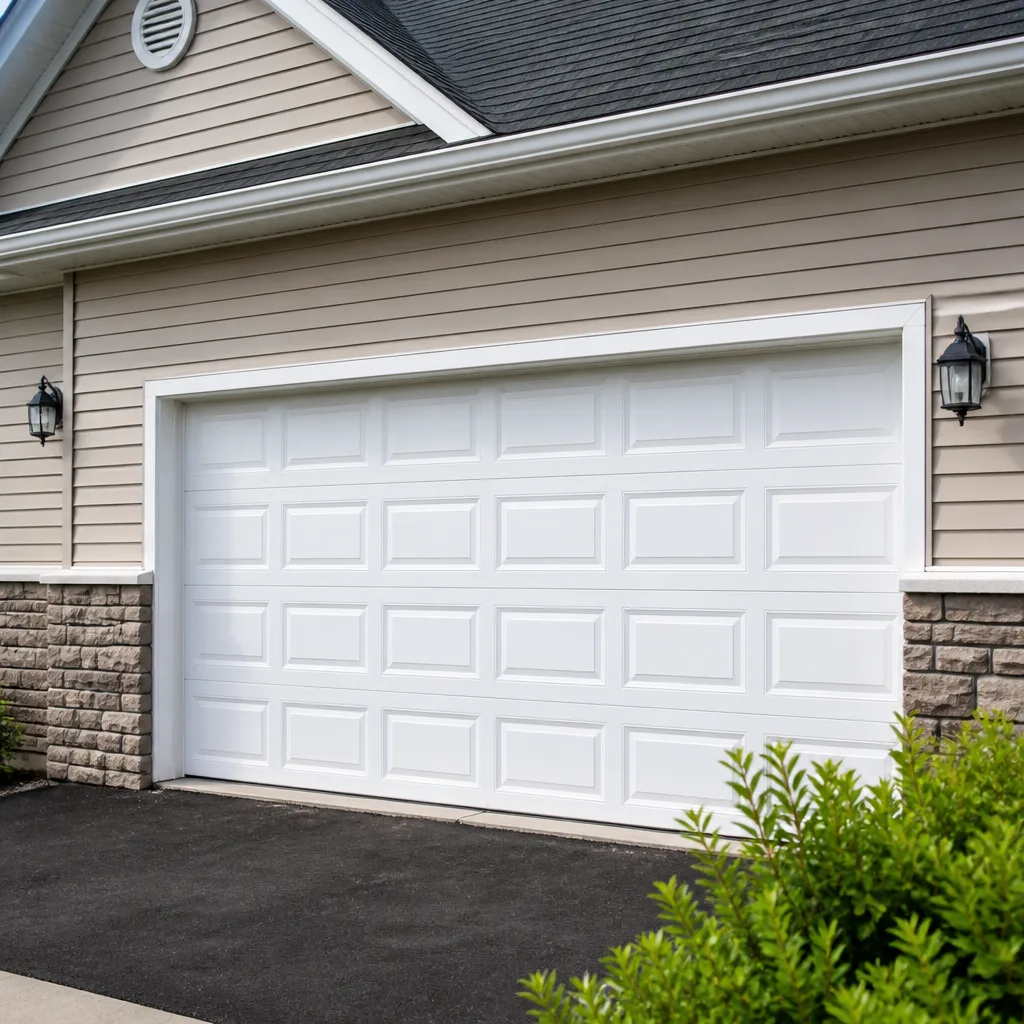 Raised-panel steel
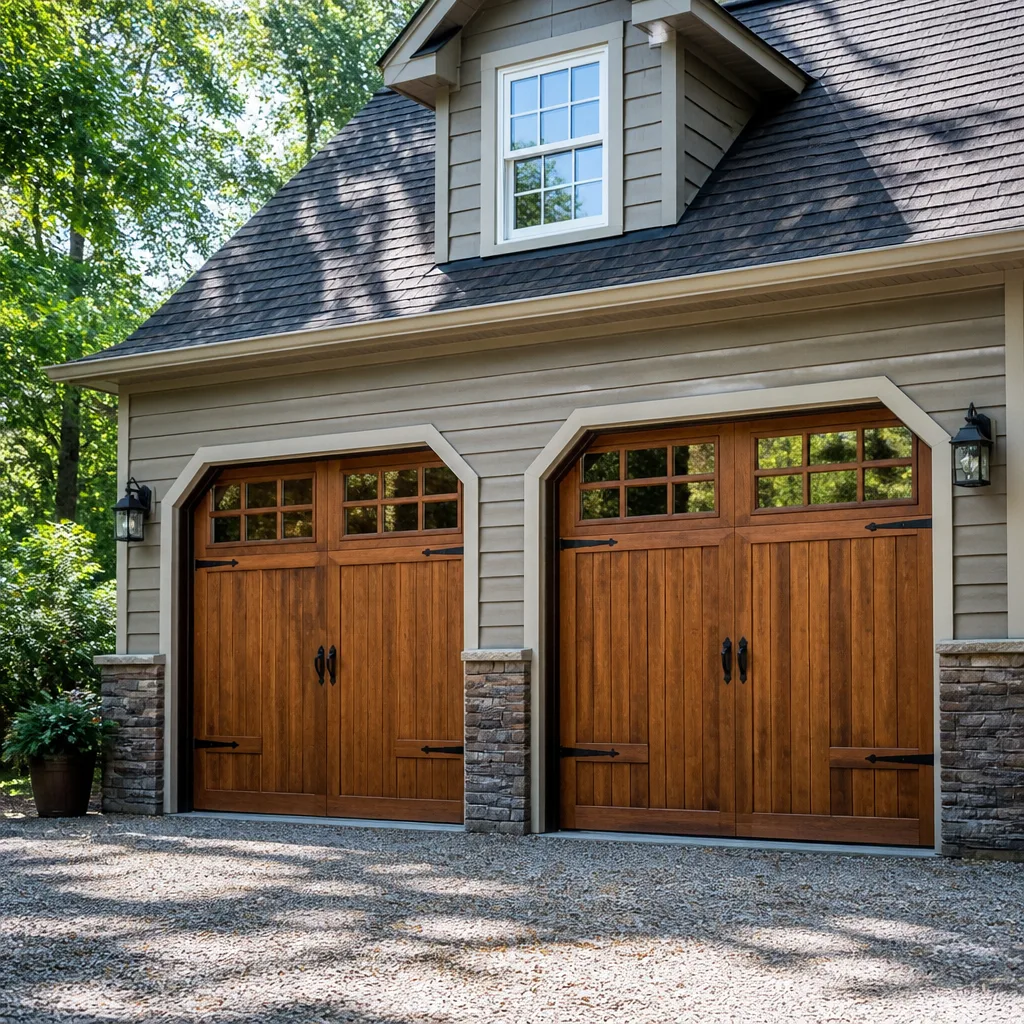 Carriage house
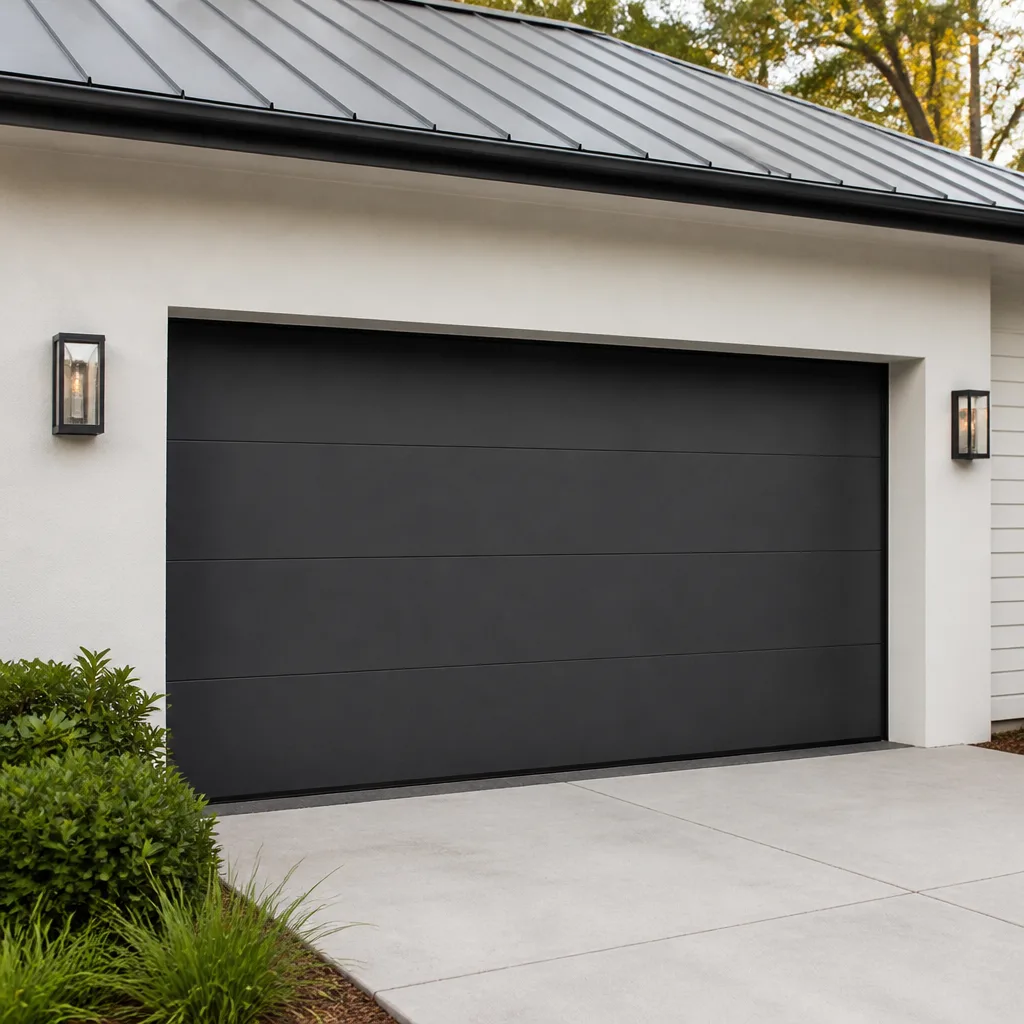 Modern flush
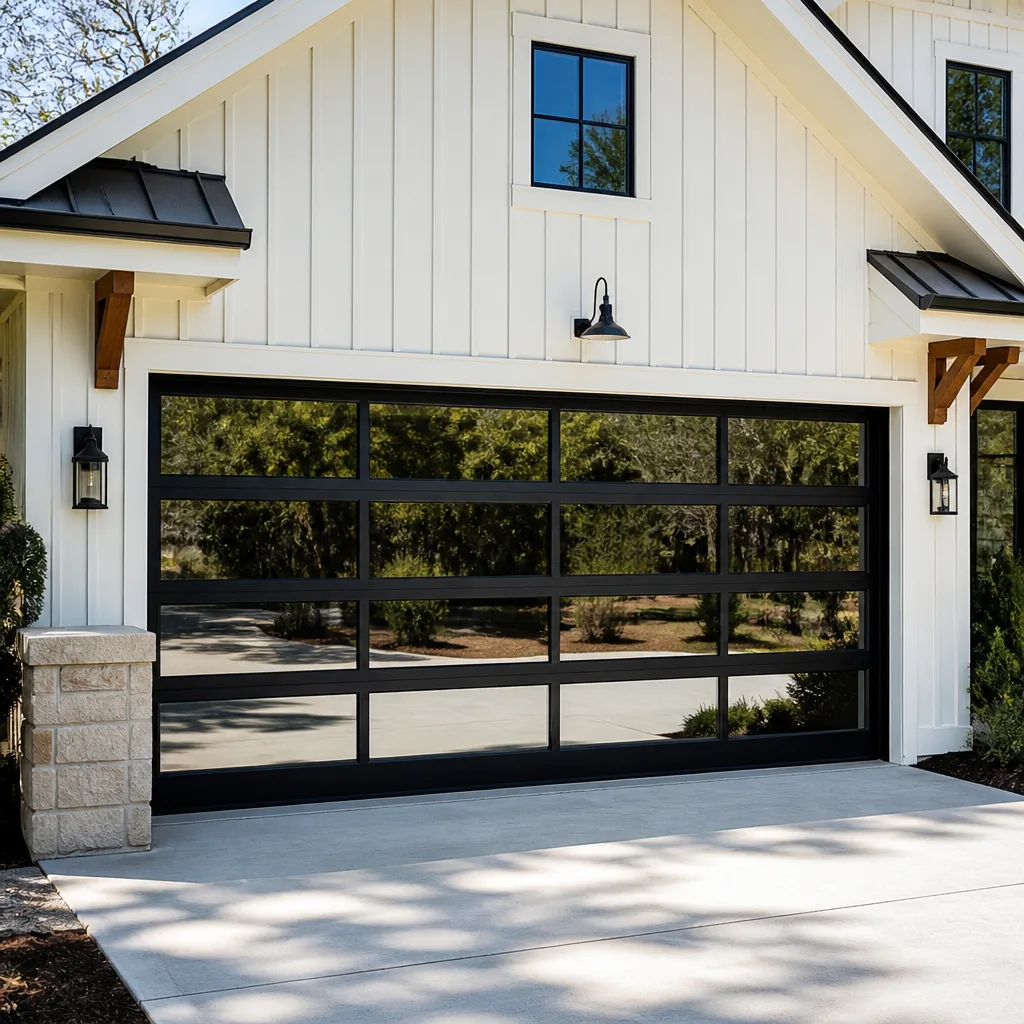 Full-view glass
 LiftMaster openers
 Chamberlain openers
Full 25-point door and opener safety check with every visit - springs, cables, rollers, tracks, and your LiftMaster or Chamberlain opener included
You get a price before we start. It does not change when the pro arrives.
Get your free estimateDIY vs Professional Garage Door: The Princeton Homeowner’s Decision Guide
Most garage door advice online splits into two useless camps: “you can fix anything with a YouTube video” and “never touch it, call a pro.” Neither helps. The truth is that a garage door is a collection of parts with wildly different risk profiles, and the smart decision is task by task, not door by door. Replacing a bottom seal is a $12, twenty-minute job most people can do well. Adjusting torsion spring tension is a job that belongs to someone with the right winding bars and the training to use them. This guide gives you a hard, practical line between the two, with Princeton-specific notes on permits, tools, and what a failed attempt really costs.
Quick Answer
The safe DIY garage door jobs in Princeton are lubrication, weather seal replacement, keypad programming, and light cleaning. Panel dents, opener installation, cable replacement, and spring work belong with a professional. Springs and cables carry enough stored energy to cause serious injury, so leave those alone regardless of what a video makes them look like.
Styles & brands we work with
- Raised-panel steel
- Carriage house
- Modern flush
- Full-view glass
- LiftMaster openers
- Chamberlain openers
Table of Contents
- Why This Is a Risk-Stratified Decision, Not a Philosophy
- Task-by-Task: What You Should and Shouldn’t Touch
- The Real Prerequisites for the DIY-Safe Jobs
- New Jersey Permits and Why Unpermitted Work Matters
- The Hidden Cost of a Failed DIY Attempt
- How to Be a Smart DIY-Adjacent Homeowner
- Climate, Housing Stock, and What It Means for Your Door
- A Decision Framework You Can Actually Use
Why This Is a Risk-Stratified Decision, Not a Philosophy
Your garage door is your home’s largest moving part, and it moves on tension. A torsion spring on a standard seven-foot door stores hundreds of pounds of force, and that force has to go somewhere when the spring lets go. This is the entire reason the DIY-versus-professional question is not a personality test. It’s a physics question. A homeowner who is careful, mechanical, and patient can safely handle plenty of garage door work. A homeowner who is none of those things can still safely handle the easy jobs, because the easy jobs don’t have a stored-energy failure mode.
So we think about garage door tasks in three tiers rather than two. There’s the low-stakes tier where the worst outcome is “it looks slightly off and you try again.” There’s the moderate tier where a mistake costs real money but won’t hurt you. And there’s the never-DIY tier where a mistake can break bones. Sorting the job into the right tier takes about thirty seconds once you know what to look for, and it saves you from both overpaying a professional to swap a weather seal and from under-respecting a spring.
In Princeton, this matters because of the housing stock. The borough and the surrounding township have a lot of older homes with original or original-style doors, plus a steady stream of newer construction using brands like Clopay and Amarr. An older door with tired hardware is a different judgment call than a five-year-old door with a smart opener. The age and brand context changes what’s realistically a DIY job.
Task-by-Task: What You Should and Shouldn’t Touch
Here’s the honest classification. The “Reason” column is the part most guides skip, and it’s the part that should actually drive your decision.
- Lubrication and tune-up – DIY. Reason: it’s cleaning and applying a proper lubricant to rollers, hinges, and the torsion bar. No stored energy is released. Worst case, you use the wrong lubricant and redo it.
- Bottom weather seal replacement – DIY. Reason: the seal slides into an aluminum retainer and has no load on it. It’s a $12 to $30 part and a twenty-minute job with a ladder.
- Keypad and remote programming – DIY. Reason: it’s button sequences on the opener head, not mechanical work. The manual or manufacturer app has the exact steps.
- Panel dent repair (light) – DIY or professional. Reason: a small cosmetic dent on a steel panel can sometimes be pressed out with proper cushioning. A creased panel or one that’s out of alignment needs replacement because bent panels bind the track.
- Track adjustment – Professional. Reason: tracks are bolted to framing and have precise plumb and level requirements. A homeowner can usually straighten a small knock, but a full realignment that stays aligned takes the right tools.
- Opener replacement or installation – Professional. Reason: it’s electrical work, it usually requires a permit in New Jersey, and the spring tension and travel limits have to be set correctly or you’ll stress the door. It’s not just “swap the box.”
- Cable replacement – Never DIY. Reason: cables are under the same stored tension as springs. A cable that slips can slice like a blade. This one is not negotiable.
- Spring replacement (torsion or extension) – Never DIY. Reason: high-tension springs can release enough energy to cause serious injury. Winding bars, proper sizing, and the discipline to maintain tension control are not optional. This is the single biggest reason to call a professional.
Notice where the natural DIY work is on this table. It’s all the low-stakes, low-height, no-tension work. Notice where the professional work is. It’s all the tasks where a wayward part carries stored energy or where a code requirement exists. The gap between those two groups is where a lot of homeowners get themselves into trouble.
The Real Prerequisites for the DIY-Safe Jobs
“You’ll need a ladder” is the kind of advice that gets people into trouble, not out of it. If you’re going to work on your own door, here’s what you actually need for the genuinely safe jobs. These specifics apply to standard residential doors; yours may differ, so check your manufacturer’s manual for exact part numbers and clearances.
Lubrication
- A proper garage door lubricant (a lithium- or silicone-based product made for the job, not WD-40, which is a solvent, not a lubricant)
- A rag for wiping off old grease and grit before applying
- Enough time to go slowly on each hinge and roller; there’s no torque spec here, but don’t over-apply and attract dust
Weather Seal Replacement
- A tape measure to get the actual door width; standard seals come in 9-, 10-, 16-, and 18-foot lengths, and you want to match yours, not cut short
- A utility knife or a hacksaw for trimming to length
- A drill with bits sized to the retainer screws if your retainer is screwed rather than nailed
- Enough clearance to work the seal into its channel; if the retainer is old and cracked, plan to replace it too
Keypad Programming
- The opener manual or manufacturer app for the exact programming sequence; LiftMaster, Chamberlain, Genie, and Craftsman each use different steps
- A short step stool rather than a full ladder
- Nothing else; this job is about sequence, not tools
Light Panel Dent Work
- A soft mallet and a flat block to back the panel, so you can press without creasing adjacent ribs
- Knowledge of whether adjacent panels are bent, because a bent panel that has been “fixed” will still bind the track
The theme across the DIY-safe list is that none of these jobs ask you to release tension, disconnect anything under load, or work above your comfort zone on a tall ladder. If a task requires any of those, it’s not on the safe list.
New Jersey Permits and Why Unpermitted Work Matters
If you’re planning to install an opener yourself, understand that electrical work on an attached garage in New Jersey generally falls under local permitting rules. That’s not just a paperwork issue. An unpermitted opener installation can become a liability issue at resale, and it can complicate an insurance claim if something goes wrong later. The building department in Princeton will tell you exactly what’s required for your installation, and it’s worth the call before you buy anything.
Here’s why this matters in practical terms. When a homeowner sells a house in Princeton, inspectors pull the permit history. An opener that was swapped in without a permit can surface as an open question during the sale, and the buyer’s attorney will ask about it. The fix is usually to bring in a professional to review the installation and correct anything that’s out of spec. That’s more expensive than having done it correctly the first time.
The same logic applies to structural changes to the opener or door track. Replacing a complete door system usually requires a permit in New Jersey, and it always requires it when you’re changing the mounting. This is exactly the kind of thing the local building department can clarify on a single phone call. And this is the practical reason to involve a specialist for installation work: the person who installs your door should know the local permit process, because the responsibility lands on the homeowner, not the installer.
For anything bigger than a repair, get the requirement in writing from the building department. Our garage door repair team works with Princeton homeowners on code discussions regularly, and the usual answer is that simple repairs don’t need a permit but installations and opener replacements usually do. The written answer from your city is what matters.
The Hidden Cost of a Failed DIY Attempt
A failed DIY attempt on a garage door has two kinds of cost: the visible one and the after-the-fact one. The visible cost is the job you were trying to do. The after-the-fact cost is undoing whatever went wrong and then redoing it correctly. And in our experience, the second number is usually larger than the first would have been with a professional.
Consider a track realignment, one of the most common “I’ll try it myself” tasks. If you get the track out of plumb, the door will bind, and binding stretches the springs on the closer side. You now have a misaligned track and springs that have been stressed incorrectly. A technician has to reset the track, check spring integrity, and rebalance the door so it closes evenly. The original job would have been a straightforward track adjustment. The after-job is a track adjustment plus a spring inspection plus rebalancing. That’s more labor and, if the springs are compromised, more parts.
The same pattern shows up in opener work. If you swap an opener and don’t set the travel limits correctly, the door slams shut with enough force to damage panels or bind the track. You now need panel repair and a proper adjustment. The lesson isn’t “never touch anything.” It’s that the DIY jobs you should actually take on are the ones where a mistake costs you twenty minutes, not the ones where a mistake costs you a spring.
There’s also the safety cost, which is harder to put a number on and shouldn’t be. The Consumer Product Safety Commission has connected tens of thousands of garage door-related injuries to spring and hardware failures, and the stored energy in a spring doesn’t care how careful you are. That’s why we treat spring work as a safety-critical specialty, not a routine fix. For anything involving torsion or extension springs, our garage door spring repair work uses proper winding bars, sizing, and tension management because the failure mode is injury, not a stuck door.
How to Be a Smart DIY-Adjacent Homeowner
You don’t have to choose between full DIY and full hands-off. The middle path is to do the prep work that a professional would otherwise do, then hand off the high-risk components. This is how you cut cost without touching anything dangerous. Here’s the sequence we recommend.
- Measure before you call. Measure your door’s width and height, note the age of the home, and photograph the opener head and the spring assembly. The opener label usually shows the model number. This lets a technician verify parts before arriving and can shorten the visit.
- Research the parts yourself. If you’re going to replace a component, know the brand. If your door is a Clopay or Wayne Dalton model, the panel profile matters. If your opener is a LiftMaster or Chamberlain, the logic board model matters. Knowing your equipment saves time.
- Remove old hardware that’s clearly safe. A worn bottom seal or a broken retainer can be removed before a technician arrives. Don’t remove anything under tension; if you’re not sure whether it’s under tension, leave it.
- Clear the work area. A clean garage saves time on every visit. It’s a small thing, but it’s one an honest technician will notice.
- Get the estimate in writing before work starts. This is the part that protects you most. The written estimate sets the final price, and it should include parts and labor as one number.
The point isn’t to do less than you could. The point is to do exactly the work that makes the professional job faster and cheaper, and none of the work that could hurt you. The informed homeowner who does prep work is getting the best of both worlds.
Climate, Housing Stock, and What It Means for Your Door
Princeton sits in a climate with real seasonal swings, and that affects your door more than people realize. Summer humidity swells wooden door components and can warp an older panel. Winter contraction can open gaps in a weather seal that was tight in July. The freeze-thaw cycle we get here stresses concrete and framing, which is why track alignment issues show up in spring and fall. If your door squeaks in January and quiets down in June, that’s normal seasonal behavior, not a sign of a failing opener.
The housing stock matters too. Princeton has a mix of older homes with original-style doors and newer construction with modern opener systems. An older door often needs more frequent lubrication and may have hardware that’s near the end of its life, so the balance between “repair” and “replace” tilts sooner. A newer home with a smart opener and a modern door has fewer parts failing but more settings to get wrong after a power outage or a remote replacement.
We work on all eight major brands – LiftMaster, Chamberlain, Genie, Clopay, Amarr, Wayne Dalton, Craftsman, and Raynor – because the brand on your door determines what parts are compatible and what settings you’re dealing with. The brand-familiarity piece is practical, not marketing: when we walk into a garage and see a specific model, the diagnosis narrows immediately. That’s the same reason it matters for your DIY decision: knowing your brand and model tells you whether a part is user-serviceable or not.
A Decision Framework You Can Actually Use
Here’s the decision in five questions. Work through them in order and stop at the first “professional” answer.
- Does the job involve releasing or adjusting a spring or a cable? If yes, stop. That’s professional work, full stop. No exceptions for “just a small adjustment.”
- Does it involve electrical connections to the opener? If yes, stop. That’s professional work and probably a permit.
- Can you complete the job without lifting anything over your head on a ladder taller than a step stool? If no, work with a professional on a plan or skip it. Balance and height are the second most common source of garage door injury.
- If you make a mistake, is the consequence twenty minutes or a repair bill? Twenty minutes, do it. A repair bill, get a professional.
- Is the door part of a safety system that reverses on contact? If you’re in any way unsure whether your work affects the safety reverse, stop and get the opener checked. That function is the single most important safety feature on the door.
Most of the time you’ll hit “do it yourself” on questions 1 through 3 and get a clean green light for the weather seal, the lubrication, and the keypad. Where the answer flips is exactly where the risk is.
Common Mistakes to Avoid
- Using the wrong lubricant. WD-40 is a solvent and will strip the grease off your rollers. A proper lithium or silicone garage door lubricant is the tool for the job.
- Trying to adjust spring tension by feel. Torsion and extension springs don’t respond well to “a little more.” Getting it wrong can leave the door unbalanced, which then stresses every other component and can cause the door to fail. Call a professional for anything involving spring tension.
- Replacing a bottom seal without measuring the door width. Standard seals come in specific lengths; if you cut one short, the door won’t seal on the corners, and in a Princeton winter that’s the difference between a dry garage floor and a wet one.
- Installing an opener without a permit. In New Jersey this can surface during a sale or an insurance review. Get the building department’s answer before you start.
- Assuming an older door is “still working” if it hasn’t failed. Age is not the same as condition. Hardware wears, and a worn roller or hinge that’s never been lubricated can lock up a door that otherwise ran fine.
- Ignoring a grinding opener. A grinding opener is often a gear or logic board issue that turns into a full replacement if it’s left to run. It’s a repair now or a new opener later, and the repair is cheaper.
- Trusting a video over the warning label. If a manufacturer put a warning on a component, the reason is that people have been hurt trying to work around it. The warning label is the cheapest professional advice you’re going to get.
See the difference
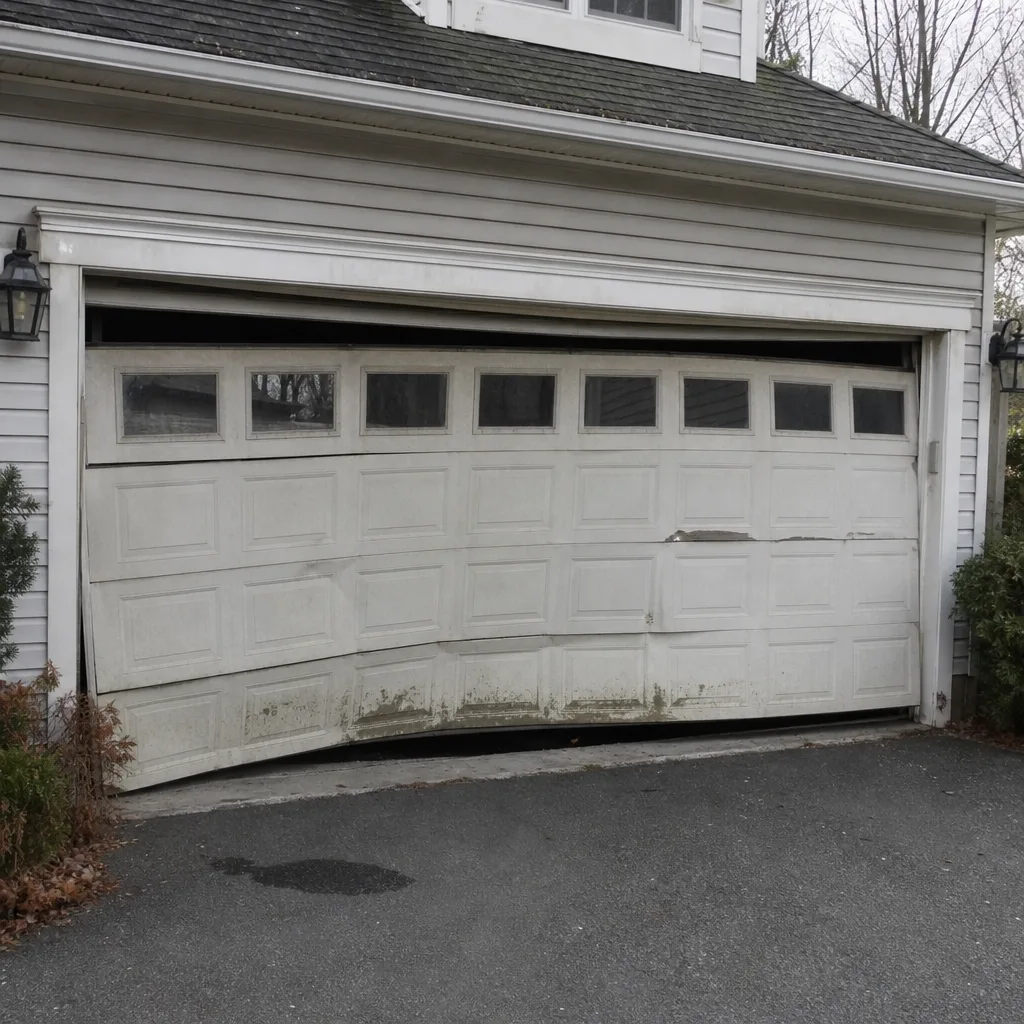 Before
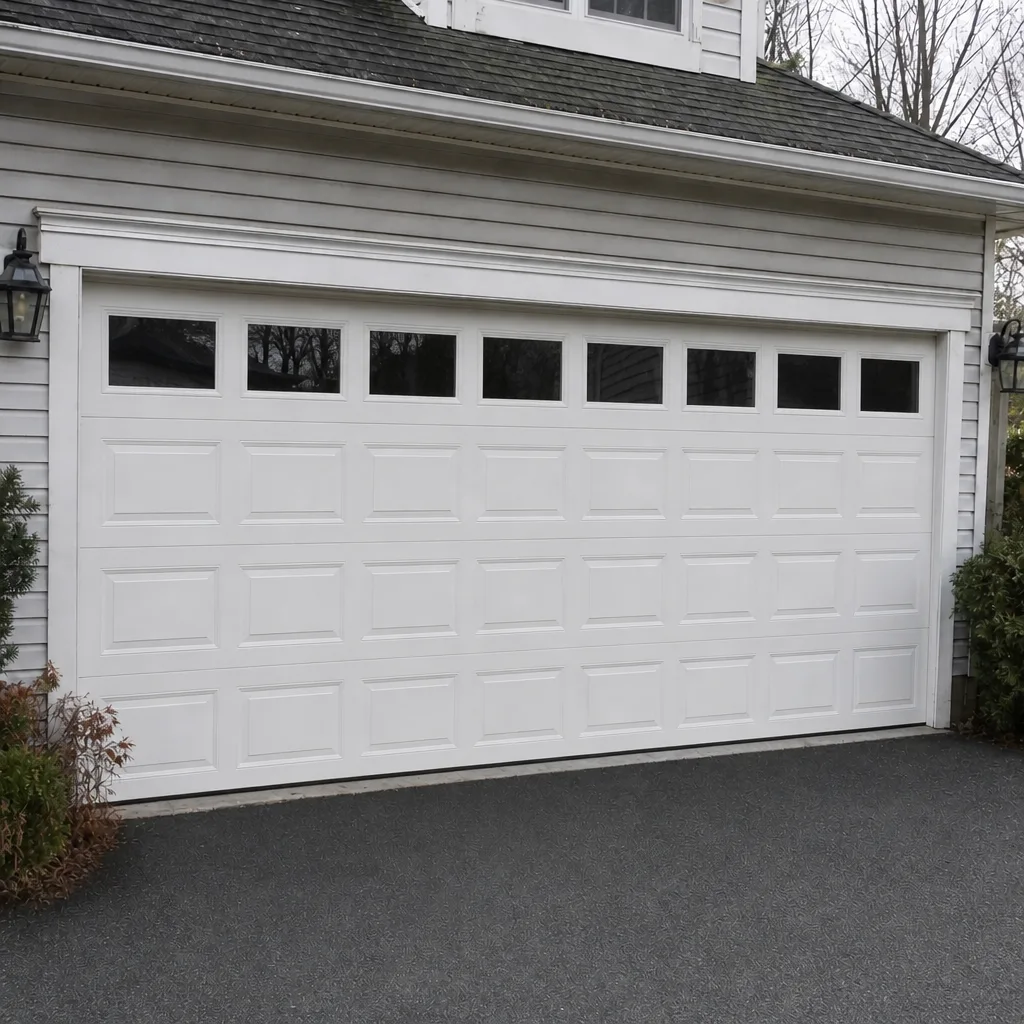 After
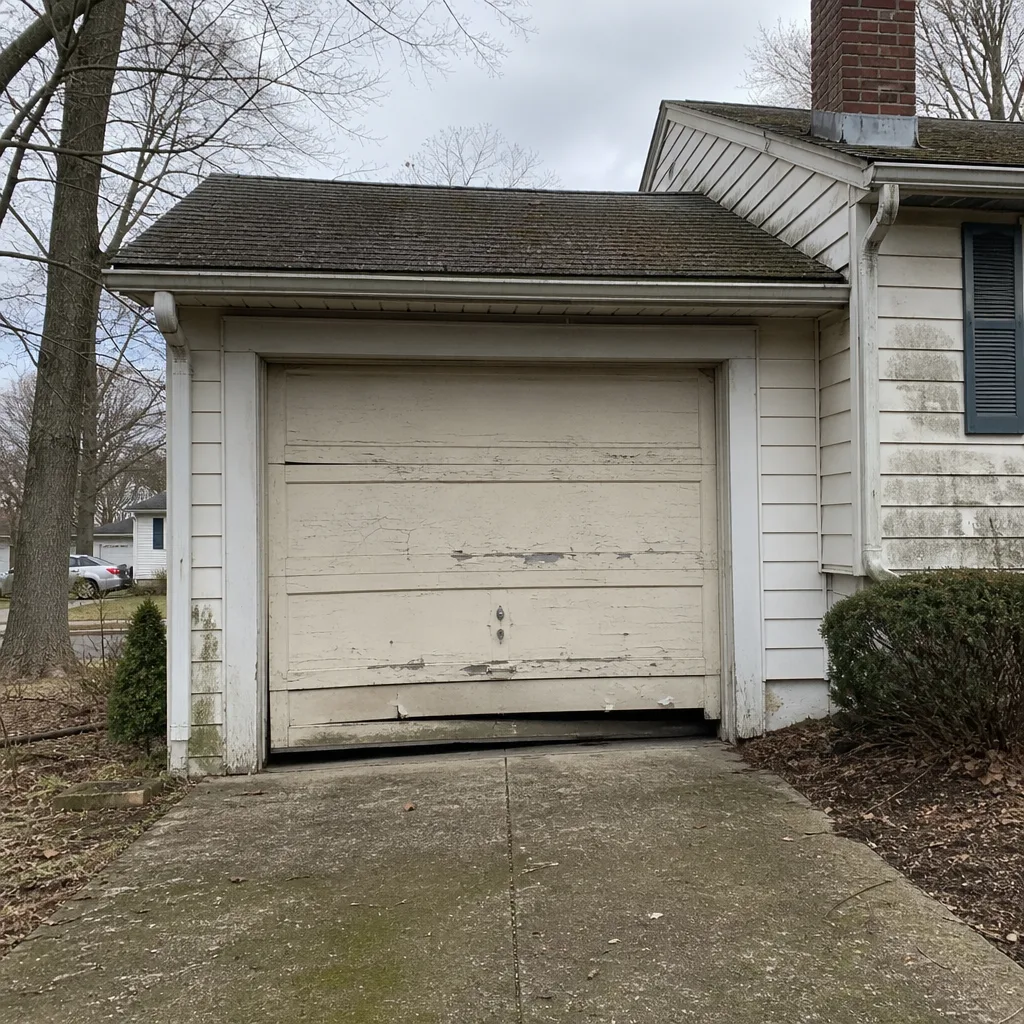 Before
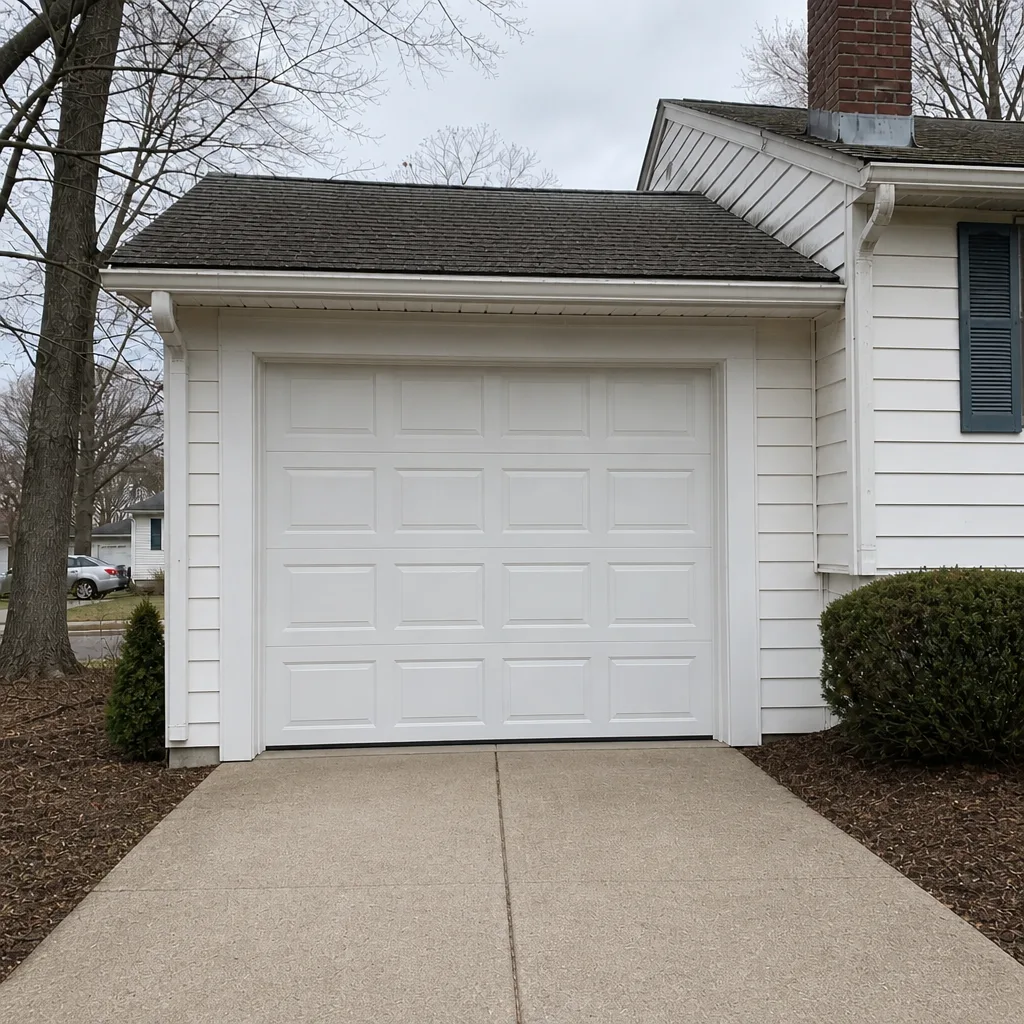 After
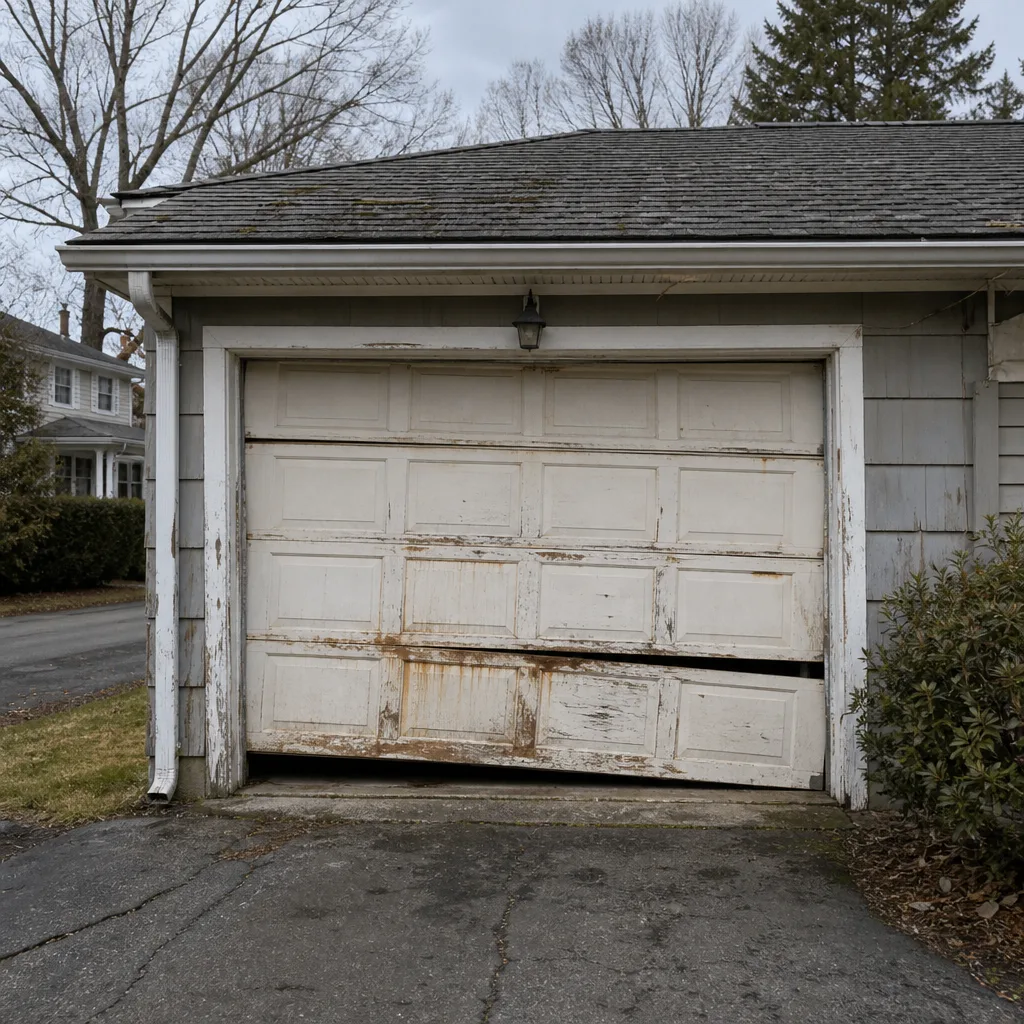 Before
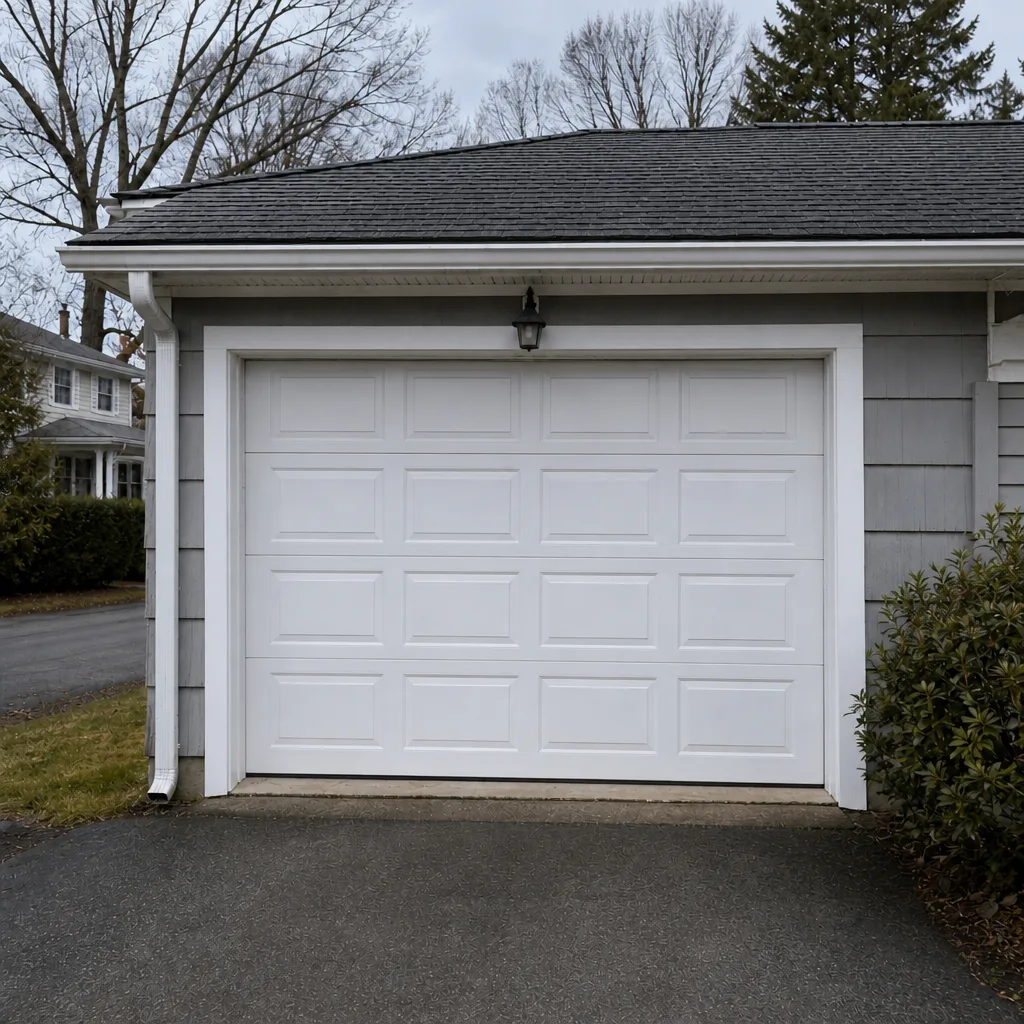 After
When to Call a Professional
If the job involves springs, cables, track realignment, opener installation, or anything you wouldn’t feel comfortable doing while standing on a ladder, call. If the door is stuck open overnight or stuck shut when you need to leave, that’s urgent and worth treating as urgent. If a panel is creased or the door binds at one point in its travel, that’s a diagnostic visit. And if you’ve already started a repair and something feels off, stop and call before you do more.
Princeton Garage Door Repair Pros offers free estimates in Princeton – call (855) 337-2012. We answer 24/7. Fast dispatch from 7am to 7pm, Sunday through Friday. Our technicians have up to 14 years of experience, and we can help you sort a repair from a replacement in a single visit.
Frequently Asked Questions
No. Replacing a torsion or extension spring is the one garage door task that should always go to a professional. The springs store enough energy to cause serious injury when released incorrectly, and the tools needed to manage that tension are not typical homeowner tools. Call (855) 337-2012 for an exact quote; estimates are free.
Most garage door repairs in Princeton run somewhere in the typical range for a standard residential door, but the number depends entirely on the specific part. A bottom seal replacement is a small job. A spring replacement is a bigger one. A track realignment or an opener repair is in between. Every job is priced by a written estimate, and the price is set before any work starts.
Electrical work on an attached garage in New Jersey usually falls under local permitting rules, so an opener installation often requires a permit. The exact answer depends on your town and your installation, and the Princeton building department can tell you what’s required. Get the answer in writing before you buy anything.
Yes. Our technicians handle repair, opener repair, spring repair, and full installation. We’re factory-familiar with eight major brands including LiftMaster, Chamberlain, Genie, Clopay, Amarr, Wayne Dalton, Craftsman, and Raynor, so the diagnosis and the parts stay in one place. From a grinding opener to a full new door, one company handles the job.
No. The written estimate sets the final price. If the technician finds something additional once the door is open, they’ll explain it to you before doing any extra work, and the original estimate stands for the job as quoted. That’s the point of the estimate being written.
Yes, and it helps. Measuring the door, noting the brand, photographing the opener label, and removing a worn bottom seal are all safe to do in advance. Don’t remove anything under tension. Anything involving a spring or a cable should be left to the technician. Our garage door opener repair team often finds that the customer’s photos and measurements shorten the visit, which is good for everyone.
The Bottom Line
The right DIY garage door question isn’t “am I handy enough?” It’s “what does this specific job require, and do I have both the tools and the safety margin for it?” Lubrication, weather seals, keypads, and light cosmetic work are genuinely doable for most Princeton homeowners, and there’s no shame in doing them. Springs, cables, opener installations, and full track realignments are where the stored energy and the permit rules live, and those belong with a specialist who does them every day.
The homeowners who come out ahead are the ones who know which category they’re in before they start, and who do the prep work that shortens a professional visit without touching the high-risk components. That’s the whole decision, and it takes about thirty seconds once you know the tiers.
If you’re not sure which tier your job falls into, our Princeton Garage Door Repair Pros team can sort it out with a free estimate. Call (855) 337-2012. We answer 24/7. Fast dispatch from 7am to 7pm, Sunday through Friday.
Written by the team at Princeton Garage Door Repair Pros.