
Last updated November 22, 2026
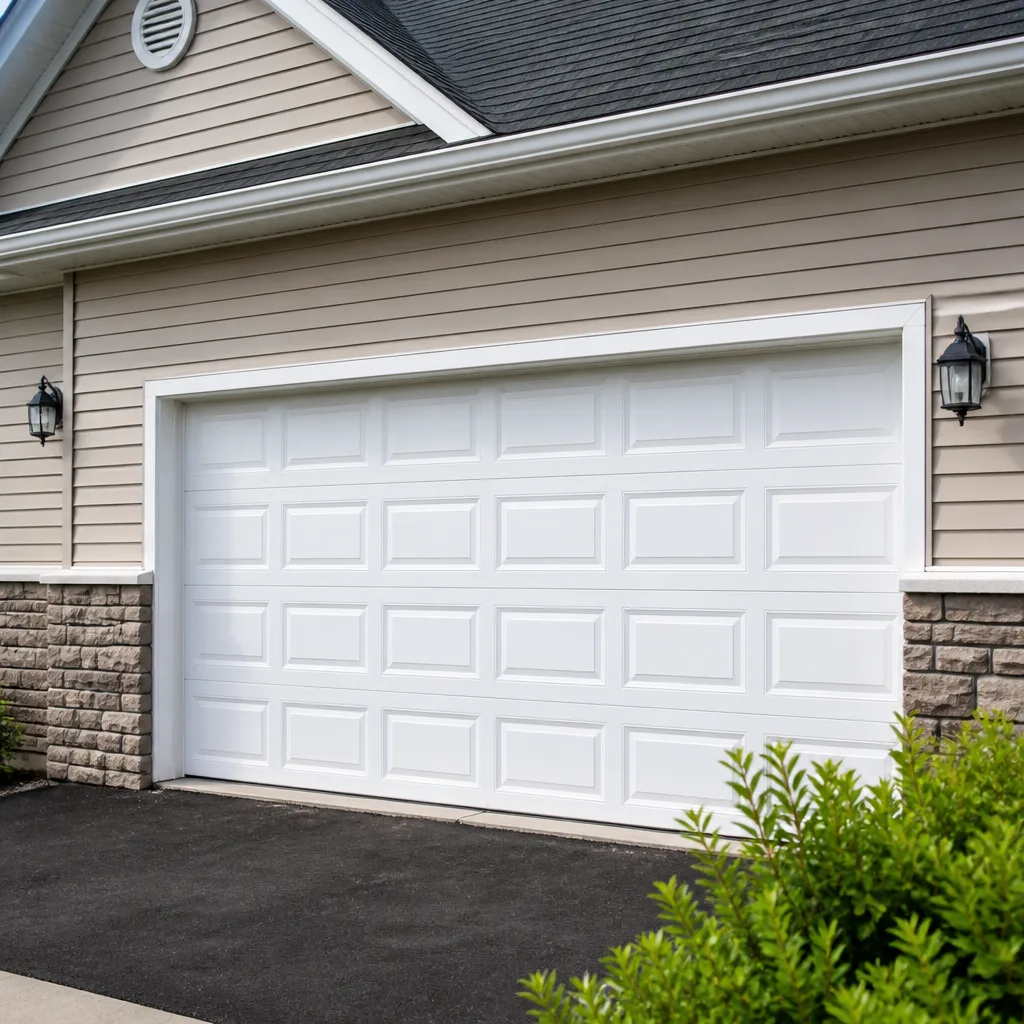 Raised-panel steel
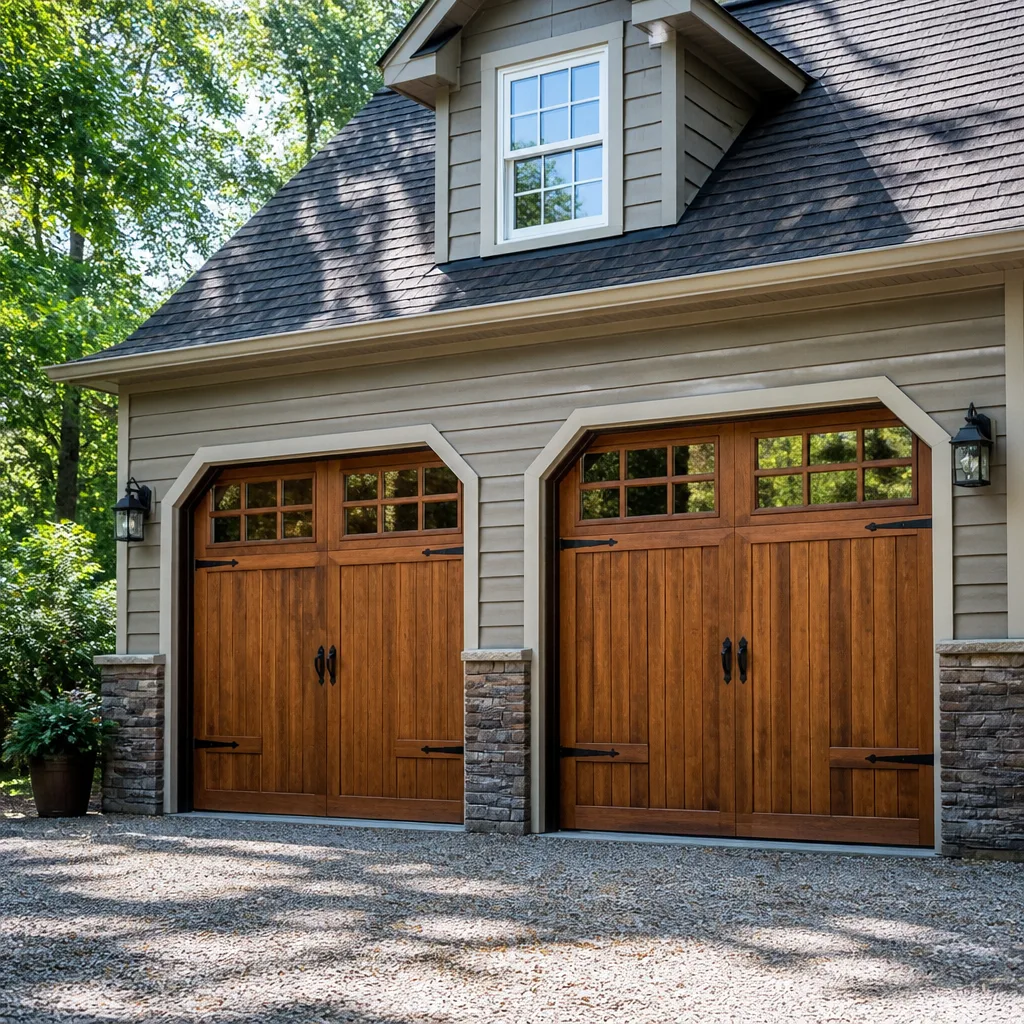 Carriage house
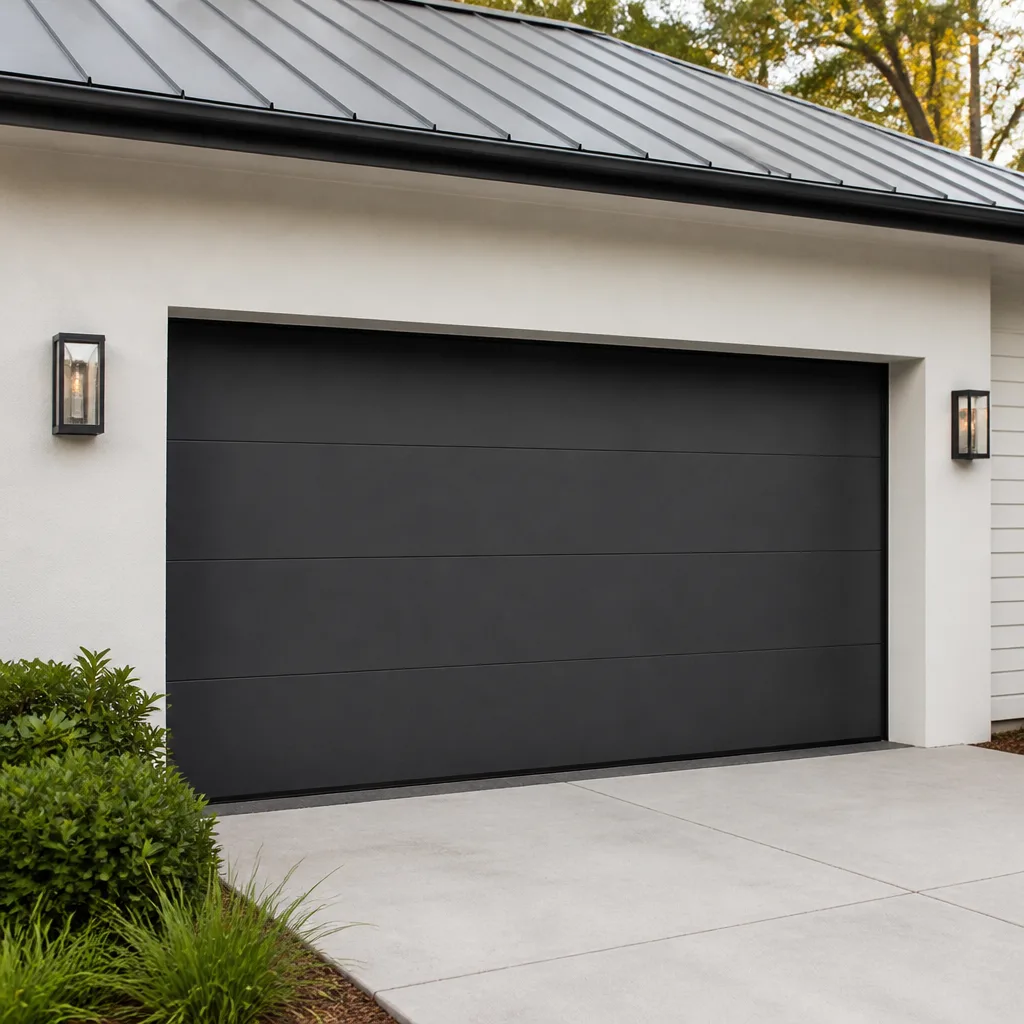 Modern flush
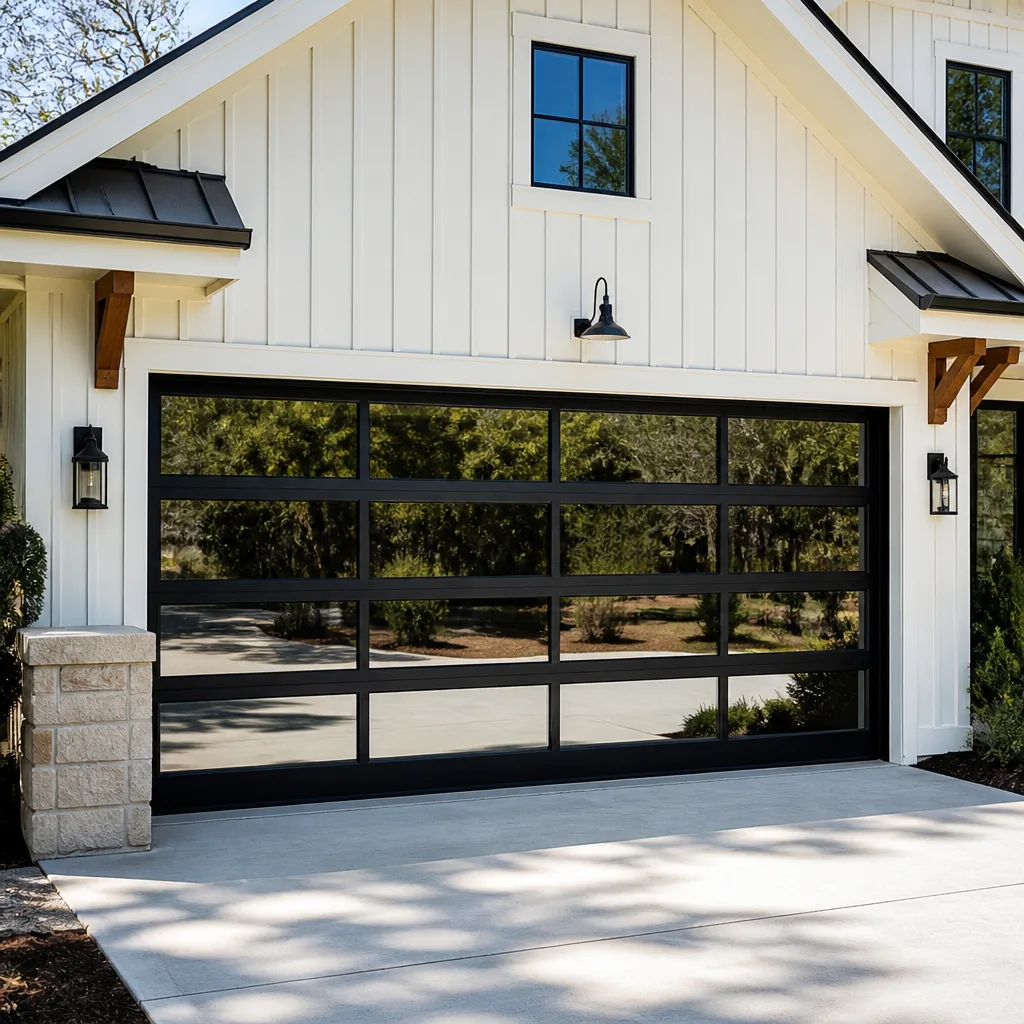 Full-view glass
 LiftMaster openers
 Chamberlain openers
Full 25-point door and opener safety check with every visit - springs, cables, rollers, tracks, and your LiftMaster or Chamberlain opener included
You get a price before we start. It does not change when the pro arrives.
Get your free estimateGarage Door Permits, Codes & Inspections in Princeton, NJ: What You Need to Know
A garage door swap feels like a straightforward product replacement. You pick a door, a crew installs it, and life goes on. Then comes the moment nobody plans for: a panel gives way in a storm and lands on a car in the driveway, your insurer asks for the permit number, and you find out the contractor who “handled everything” never pulled one. That gap is where claims get complicated and where a job that looked finished turns out not to be. This guide walks through when Princeton actually requires a permit for garage door work, which parts of the New Jersey code apply, how wind load shapes the door you’re allowed to install, and how HOA review fits alongside the municipal process. It’s written for homeowners in Princeton who’d rather know the rules before the work starts than after.
Quick Answer
In Princeton, a like-for-like garage door replacement (same size, same model, same wind rating, no structural changes) usually falls under repair and typically does not need a building permit, while a new door that changes size, material, structural headers, or wind-load rating usually does require one through Princeton’s municipal construction office under the New Jersey Uniform Construction Code. Permit requirements are set by the town and can change, so confirm the specifics with Princeton’s building department before work begins. A permit is not the same as an HOA approval, and you may need both.
Styles & brands we work with
- Raised-panel steel
- Carriage house
- Modern flush
- Full-view glass
- LiftMaster openers
- Chamberlain openers
Table of Contents
- When does a garage door replacement need a permit in Princeton?
- Which New Jersey construction code sections apply?
- Wind load in Mercer County and code-compliant door models
- HOA architectural review vs. the municipal permit
- How to pull a garage door permit, step by step
- What a garage door inspection actually checks
- What a failed inspection looks like and why it happens
- Repairs that don’t trigger a permit
When does a garage door replacement need a permit in Princeton?
The plainest way to think about it: a permit is triggered by change, not by the act of replacing. If you’re swapping a worn door for an identical one, keeping the same opening dimensions, the same framing, and the same wind rating, most towns treat that as a repair. If the work touches the structure, the size of the opening, or the compliance profile of the door, it’s typically a construction project and needs a permit. That’s the general logic across New Jersey, and Princeton follows the municipal construction office process like every other town in the state.
Here’s where the line usually sits:
- Like-for-like replacement: same model or equivalent door, no opening change, no new framing. Usually repair, no permit. Confirm with the town.
- New door with a different size: a wider opening, taller door, or a change from single to double. Usually needs a permit because the opening and header are affected.
- Structural changes: new header, reframed opening, repaired or replaced framing around the door. Permit required.
- Change in wind rating or material: moving to a door with a different design pressure rating, or changing from wood to steel with different structural implications. Ask the building department; this often crosses into permit territory.
- Opener swap: a straight replacement of an opener with the same or equivalent unit is typically electrical work rather than building work, and the permit rules are different. Ask the town if the circuit is being altered.
Two things drive this. First, the New Jersey Uniform Construction Code treats a garage door as part of the building envelope, so anything that changes its performance characteristics is a code question, not just a product question. Second, your insurer may treat an unpermitted structural change as an unapproved modification, and that’s where a claim can run into trouble later. The permit isn’t a formality to get out of the way. It’s the paper trail that shows the door was installed to code.
Which New Jersey construction code sections apply?
New Jersey’s construction rules are consolidated under the Uniform Construction Code (UCC), which is administered through the state’s Department of Community Affairs and enforced locally by each town’s construction official. For a garage door, the sections that come up most often are in the building subcode (the state’s adoption of the International Building Code and International Residential Code as amended by New Jersey) and, where the opener is involved, the electrical subcode.
Rather than quote section numbers that can shift with each code adoption cycle, here’s the practical map of what governs a garage door install:
- The building subcode covers structural requirements for the opening, header, and framing, along with the door’s wind-load rating and attachment. This is the heart of a garage door permit.
- The energy subcode comes into play when the garage is conditioned space or shares a wall with the house. Insulation values and air sealing for the door can be part of the review.
- The electrical subcode applies to the opener circuit and any new wiring. This is why an opener replacement that touches the circuit can be a separate permit from the door itself.
- The manufacturer’s installation instructions are adopted by reference in most code frameworks. A door installed contrary to the manufacturer’s instructions is a code problem even if nothing else was touched, because the listed rating assumes that installation method.
This is the reason a code question about a garage door rarely has a one-line answer. The right response depends on the door, the opening, the home’s construction, and what the manufacturer specifies for that exact unit. Because those details change per job and the code is adopted on a cycle, the authoritative answer for any specific Princeton address comes from Princeton’s construction office, not from a generic guide. When in doubt, ask before the door is ordered. It’s far easier to adjust a spec sheet than to fix a finished opening.
Wind load in Mercer County and code-compliant door models
Wind load is the part of a garage door spec that homeowners skip over and inspectors don’t. Every door carries a design pressure rating, expressed as a number that reflects how much wind force the door and its hardware are engineered to resist. That rating is matched to the wind exposure of the site, and the building code sets the minimum for the location. A door that meets the rating is code-compliant for that opening. A door that doesn’t is a code problem, even if it fits and looks right.
Mercer County’s wind exposure is inland and inland-suburban rather than coastal, but that doesn’t make the rating irrelevant. Inland areas still see severe thunderstorm downdrafts and the occasional remnant tropical system, and the code sets a minimum design pressure for the area regardless. That minimum applies to new installations and to any replacement that triggers a permit. A door’s label, spec sheet, or manufacturer documentation will show its rating. If a contractor can’t produce that documentation for the door they’re quoting, that’s a signal the rating isn’t being taken seriously.
In our experience, the doors that consistently come through a Princeton permit review cleanly are the ones from manufacturers who publish wind-load documentation as part of standard product data. That includes the major names we work with: Wayne Dalton, Craftsman, Raynor, and LiftMaster on the opener side. These brands publish design pressure ratings and installation specs you can hand to the building department. If the door you want doesn’t have that paperwork available, ask the manufacturer or your installer for it before the permit is submitted, because the construction official will ask.
HOA architectural review vs. the municipal permit
Here’s the part that trips up more Princeton homeowners than the code itself: an HOA approval and a municipal building permit are two entirely separate approvals, and one does not substitute for the other. A permit is the town’s sign-off that the work meets the construction code. An HOA architectural review is the association’s sign-off that the door fits the community’s design standards. You can have one and not the other, and if the two disagree, the stricter one wins in practice.
Consider the common case. A homeowner wants to replace a worn wood door with a modern steel door. The HOA review approves the color but rejects the panel style because it doesn’t match the street-facing aesthetic. The permit application is submitted anyway. The town approves the permit because the door meets code. The work gets installed. Months later the HOA sends a notice. That’s the kind of conflict that costs real time and money to unwind, and it’s entirely avoidable by getting the HOA review done first.
On some properties, particularly in planned communities and older subdivisions with recorded covenants, the HOA process can be the stricter gate. If the association’s architectural standards call for a specific panel profile, color, or material, that becomes a constraint the town permit doesn’t override. The order that works:
- Submit the HOA architectural review with the door’s spec sheet and color.
- Wait for written HOA approval.
- Confirm with Princeton’s construction office whether a permit is required for your specific replacement.
- Submit the permit application with the approved door spec.
- Only then order the door and schedule installation.
If your property isn’t in an HOA, step one disappears and the process is simpler. Confirm that with your deed or closing documents rather than assuming, because covenants sometimes exist on individual lots outside a formal association.
How to pull a garage door permit, step by step
The good news is that garage door permits are among the more straightforward residential permits to obtain when the paperwork is right. The process below is the general sequence. Princeton’s construction office will confirm the specifics, the current submittal requirements, and the review turnaround for your application.
- Confirm a permit is needed. Call Princeton’s building department with your address and the scope of work (like-for-like replacement, new door, structural change, opener). They’ll tell you whether the work is permitted as repair or requires a construction permit.
- Gather the door specification. You’ll need the manufacturer’s spec sheet, the design pressure rating, the installation instructions, and the product literature that shows the door meets the code for your site. The manufacturer publishes these for the door you’re installing.
- Prepare the contractor information. A permit application names the licensed contractor performing the work. In New Jersey, that’s the licensed electrical or building contractor, depending on what’s being installed. The license information goes on the application.
- Submit the application. Princeton uses the state’s construction permit forms. The submittal includes the scope, the plans where required, and the product specs.
- Pay the permit fee. The town sets the fee schedule. The construction office will tell you the fee when the application is accepted.
- Schedule the inspections. Once the permit is issued, the work is inspected at the stages the town specifies. For a garage door installation, the inspection usually happens after the door is installed, and the inspector checks the attachment, the rating, the hardware, and the safety features.
- Get the certificate of approval. A passed inspection produces the paperwork that closes the permit. Keep a copy with your home records. It’s the document your insurer may ask for later.
The most common reason a permit application stalls is missing product documentation. The second most common is a contractor without the correct license for the scope. Both are avoidable by getting the paperwork lined up before submitting.
What a garage door inspection actually checks
A garage door inspection is quick when the installation is right and slow when it isn’t. The inspector isn’t there to judge the color of the panels. They’re checking whether the installed door matches the approved spec, whether the attachment is secure, and whether the safety features required for the opener are working. Here’s the typical checklist:
- Door matches the approved specification. The installed door, including labeling, should match the permit application and the design pressure rating.
- Track and hardware attachment. The track, hinges, and brackets are secured to the framing in the manner the manufacturer specifies.
- Spring and cable condition. Springs are intact and properly tensioned, cables are seated, and the safety containment on torsion springs is in place where required.
- Opener safety reversal. The opener’s safety reversal system is tested. A door that closes on an object instead of reversing fails this check.
- Photo-eye alignment. The safety sensors at the bottom of the track are mounted, aligned, and functional.
- Balance and travel. The door opens and closes smoothly, the travel limits are set correctly, and the door doesn’t bind.
- Weather seal and bottom seal. Seals are installed and in contact with the threshold where the spec calls for it.
Most of these are things a qualified installer checks anyway. A well-run install passes on the first visit. The problems come from shortcuts that an inspector catches because the door was never set up correctly in the first place, which is what the next section is about.
What a failed inspection looks like and why it happens
A failed inspection is rarely a surprise to a competent installer. It’s almost always one of a handful of predictable failures. Knowing them helps you ask the right questions before the work starts.
- The safety reversal doesn’t trip. The opener doesn’t reverse when it meets an obstruction. This is the single most common failure, and it usually means the opener was never set up at the final installation stage. It’s a quick fix, but it should never be left to the inspector to catch.
- The photo-eye is misaligned or bypassed. Sensors mounted too high, out of alignment, or wired around. This fails immediately.
- Spring tension is off. The door is out of balance, either heavy in one direction or popping at the end of travel. This is a safety issue and, in our experience, the most common reason a garage door gets called back for a second look. Spring work is high-tension work, which is why it belongs with trained technicians and proper tools, not a bystander on a ladder.
- The installed door doesn’t match the spec. A different panel, a different rating, a different model than what was submitted. This is a paperwork failure that becomes a physical one.
- Hardware attachment shortcuts. Track brackets lagged into drywall instead of framing, or hinges re-used from the old door when the new door’s instructions specify new hardware.
- Missing safety containment. Torsion spring installations that omit the safety containment called for in the installation instructions.
If a door fails inspection, the remedy depends on the failure. Safety and balance issues need a technician. Label and documentation mismatches need the correct product installed. Either way, the cost of fixing it after the fact is almost always higher than getting it right the first time, and it delays the certificate of approval your insurer may want on file.
Repairs that don’t trigger a permit
Most of what a garage door company actually does in Princeton is repair work, and most repair work doesn’t need a permit. That’s worth saying clearly, because the word “permit” can make homeowners nervous about routine repairs. The list below covers the common repair categories. If the scope of your repair is on this list, it’s typically not a permit item.
- Spring replacement. Replacing a broken torsion or extension spring with a matched spring of the same spec is repair work. It’s also the most safety-critical job on the door, which is why we treat it as a specialty, not a routine fix.
- Cable replacement. Cables are replaced as part of the same safety-critical work. No permit.
- Hinge, roller, and bracket replacement. Standard hardware repair. No permit.
- Panel replacement. Replacing a damaged panel with the same model panel is repair. If the replacement changes the door’s rating or model, the permit question comes back. Ask the town.
- Opener repair. Repairing or replacing a worn opener with an equivalent unit is typically not a permit item, but re-wiring the circuit can be. Confirm with Princeton if the circuit is altered.
- Weather seal and bottom seal replacement. Routine maintenance. No permit.
- Safety reversal and photo-eye adjustment. Adjustment and repair. No permit.
Where routine repair and permit territory meet is when the repair changes the door’s structural performance. A new panel that’s identical to the old one is repair. A new panel that changes the door’s model, material, or rating is closer to a permit item. If the repair involves reframing or a header, treat it as a construction project and check with the town. If you’re unsure, our garage door repair team can tell you what a given repair involves, and the town can tell you whether it’s permitted.
Common Mistakes to Avoid
- Assuming the contractor pulled the permit when they didn’t. A verbal “we handle that” is not the paperwork. Ask for the permit number and the name on the application, and check with Princeton’s construction office that the permit exists before the door is installed.
- Getting the HOA approval after the install. Doing this in the wrong order is the most expensive easy mistake on this list, because it can force a door to be replaced. Get written HOA approval first.
- Ordering a door without the wind-load documentation. If the door can’t be documented at the design pressure required for the site, the inspector can’t approve it. Confirm the spec sheet exists before the order.
- Treating a like-for-like replacement as a free pass without confirming. Most likely you don’t need a permit for a true like-for-like replacement, but the specific change is what matters. A quick call to the building department settles it.
- Letting an opener be installed without the safety reversal tested. The opener must reverse on contact and the photo-eye must be aligned. There’s no version of this that passes inspection untested.
- Re-using old hardware with a new door. Old hinges and brackets on a new door can fail inspection, and more importantly they can fail on the door. Use what the manufacturer specifies for the model.
- Discounting the insurance angle. An unpermitted structural change can complicate a claim if the door fails and causes property damage. The permit and the certificate of approval are the documents that show the work was done to code, and they’re worth having in a drawer whether or not you ever need them.
See the difference
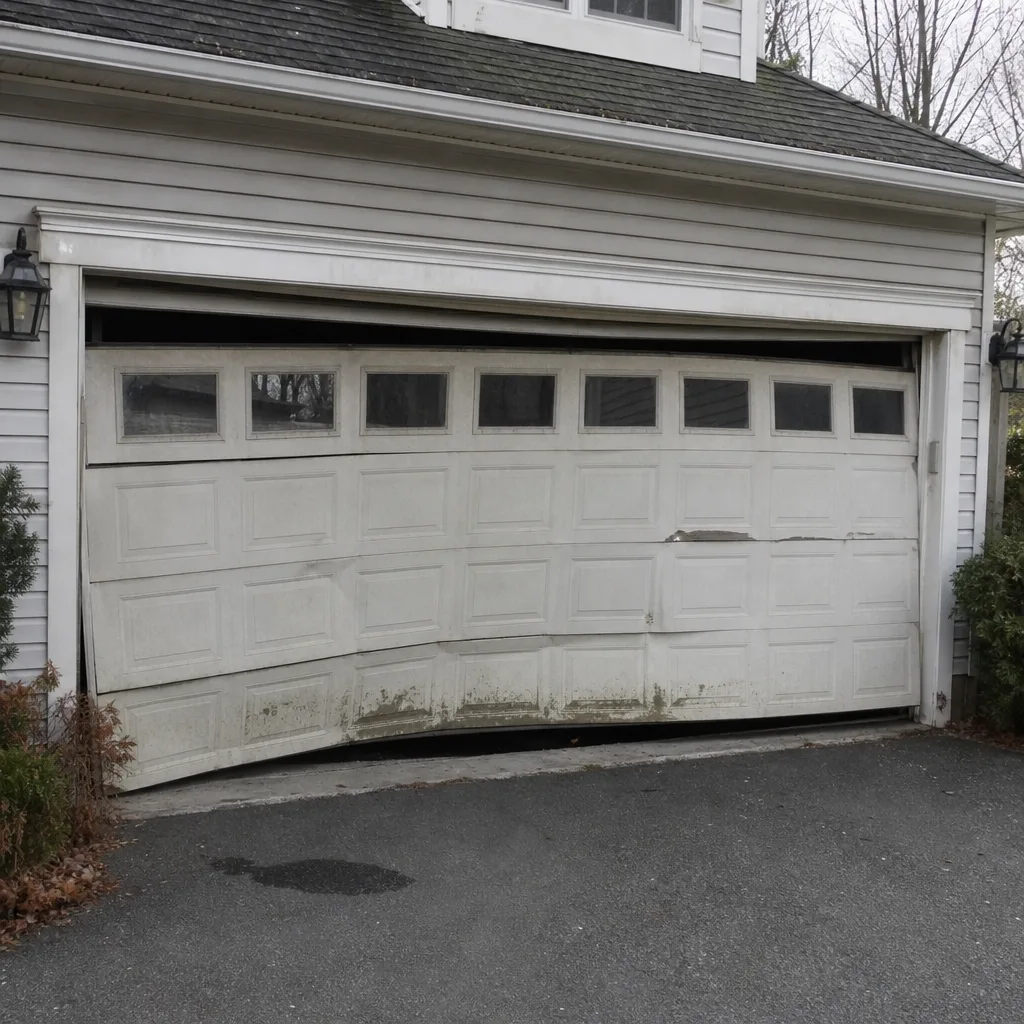 Before
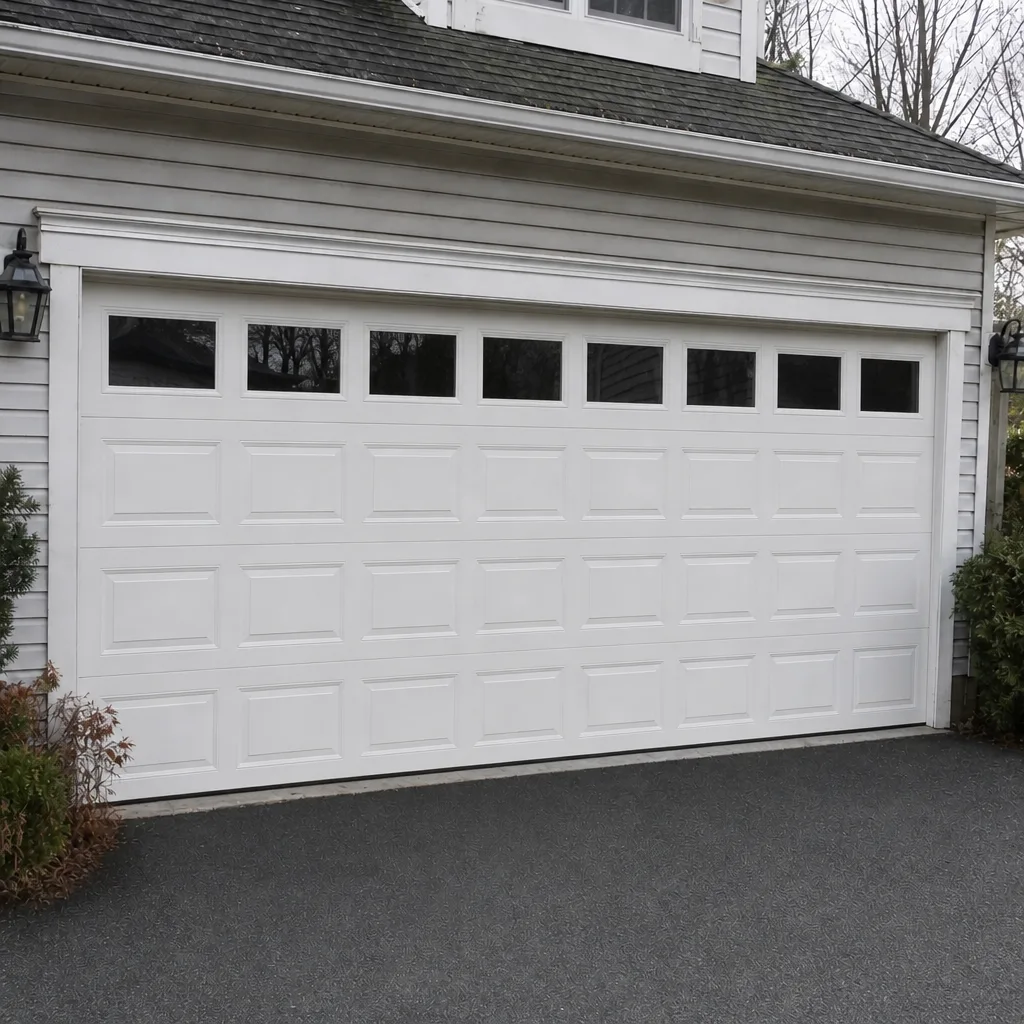 After
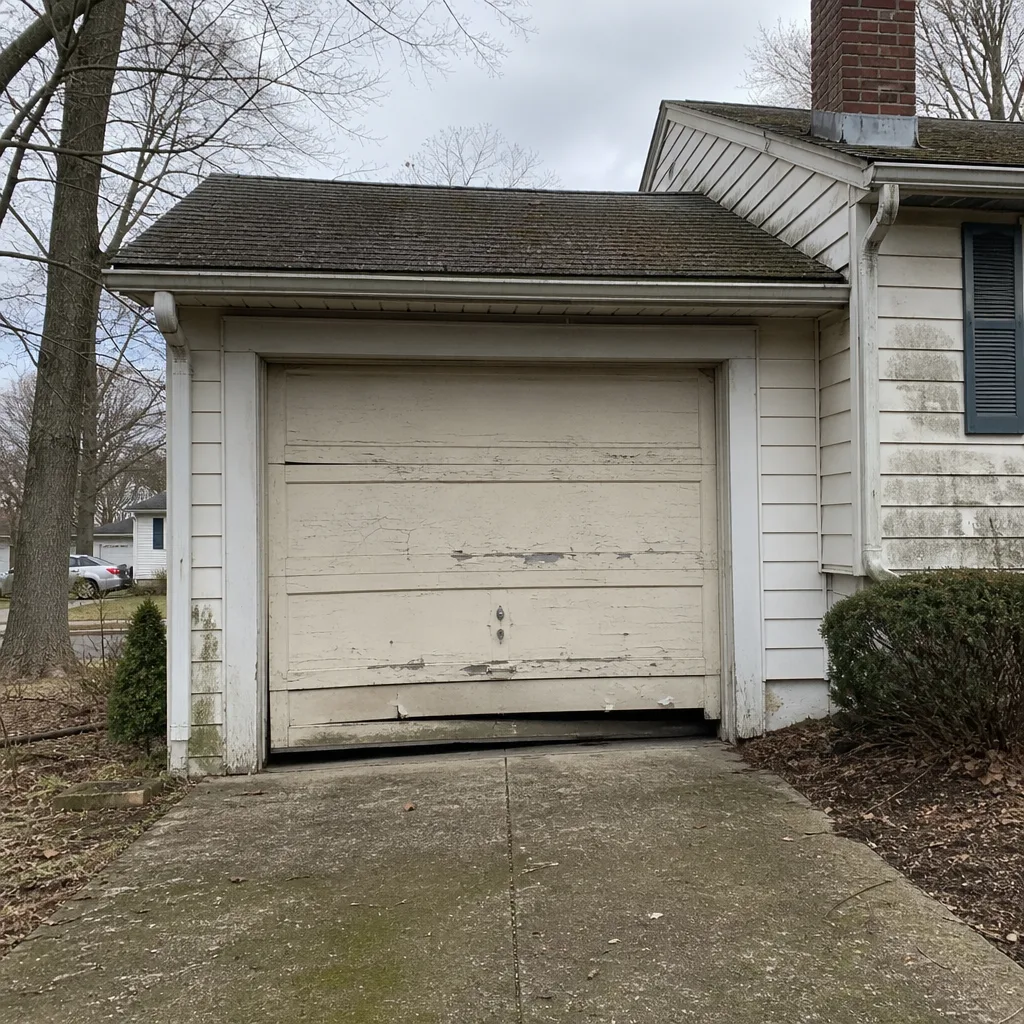 Before
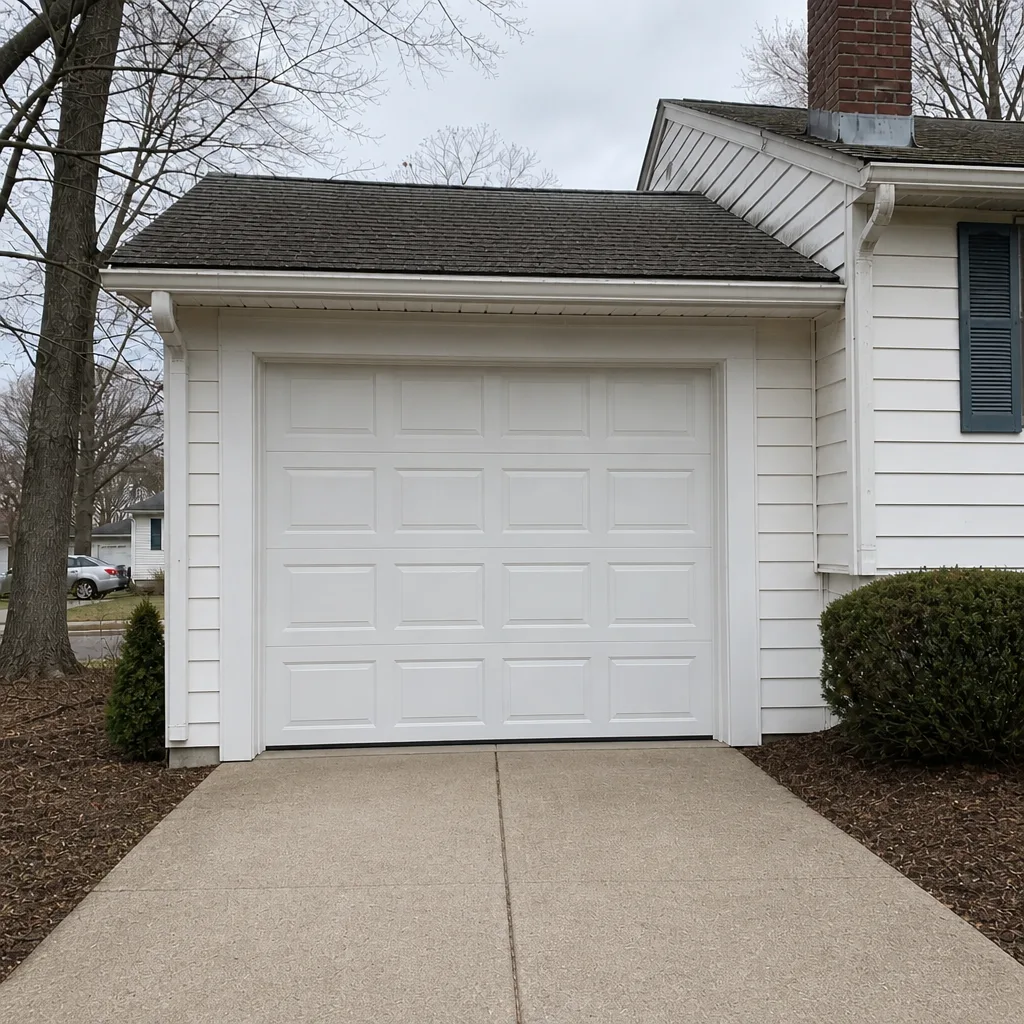 After
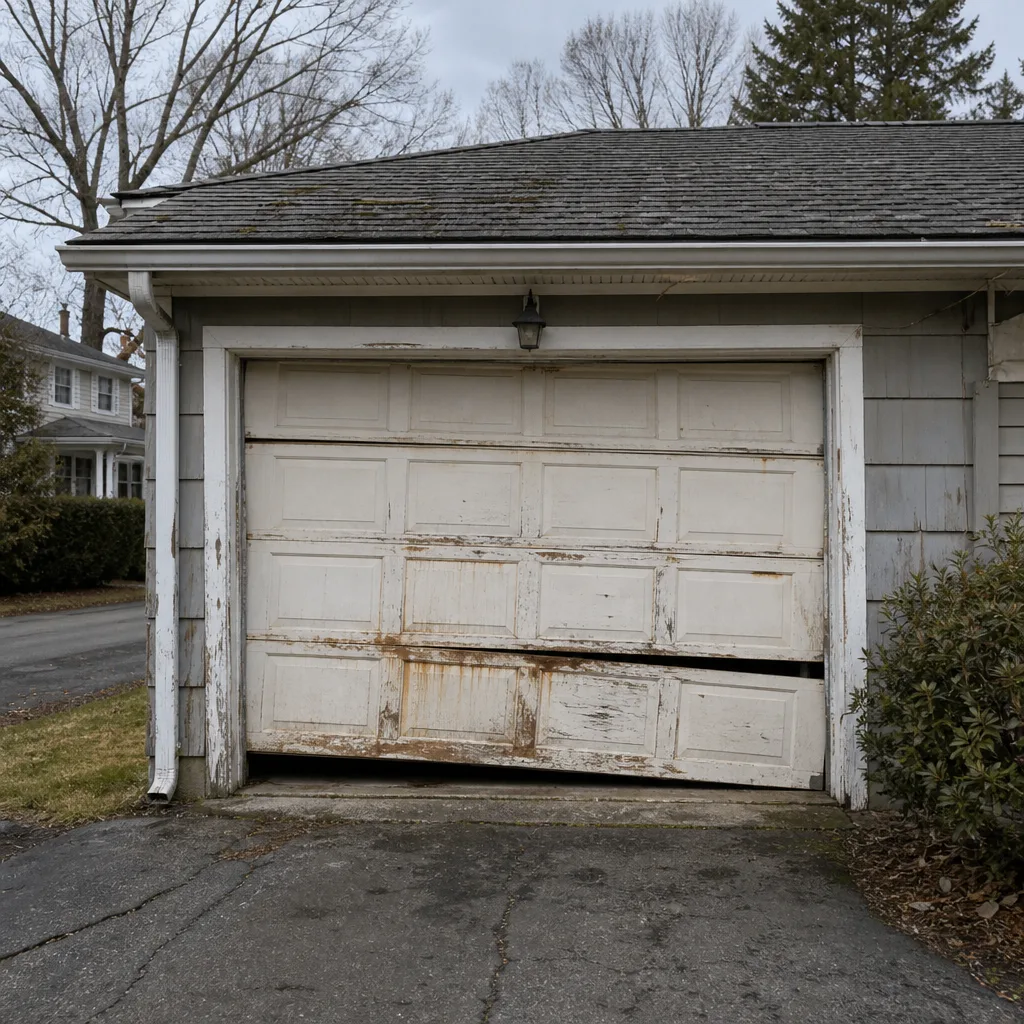 Before
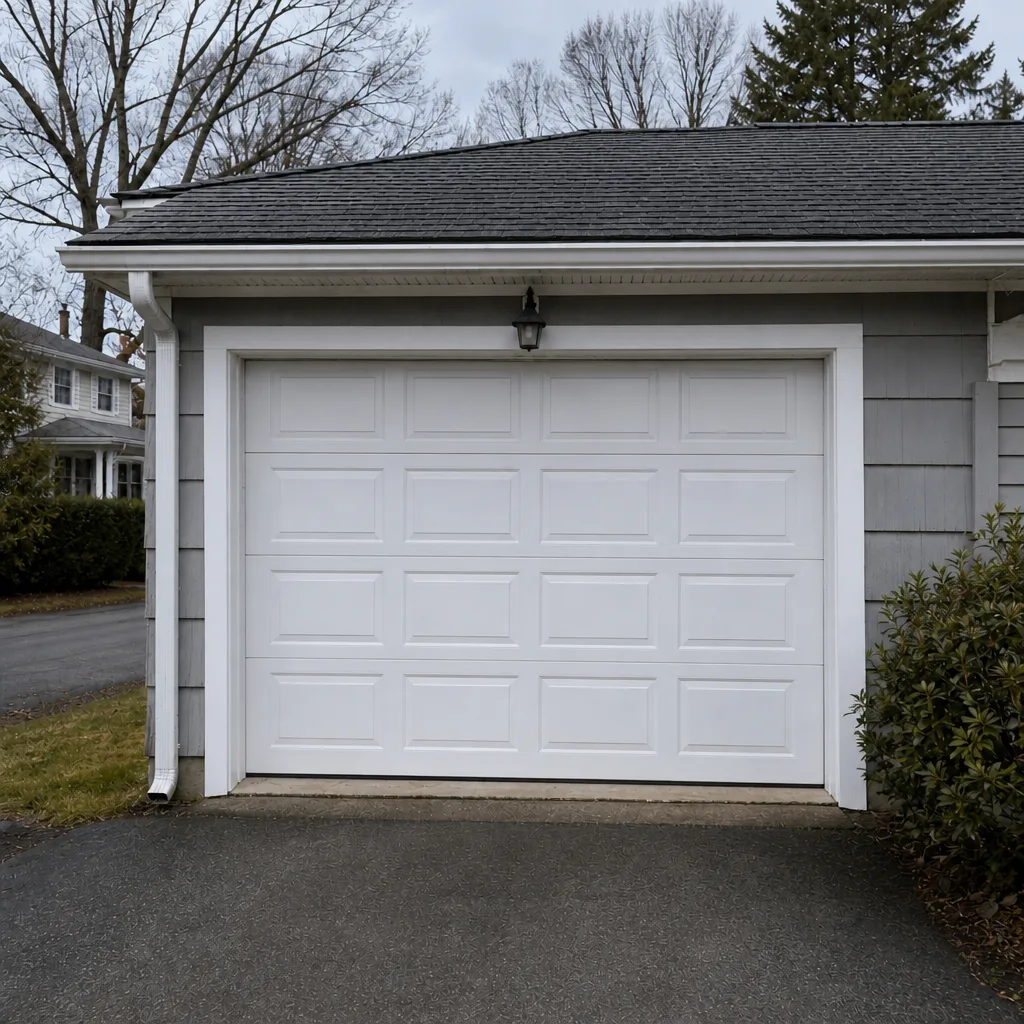 After
When to Call a Professional
Call a specialist when the problem is on the door, the spring, or the opener. A snapped spring, a door that’s off its track, a cable that’s jumped, a panel that’s hanging loose, or an opener that’s grinding its way through a cycle all need a trained technician with the right tools and the right safety practice. Springs carry enough stored energy to cause serious injury if handled without the proper method, and the same is true of a door that’s out of balance. Call a professional if the door reverses unpredictably, if the opener doesn’t reverse at all, or if you can’t get the door open or closed and something important is on the other side of it. For a new-door quote, call us before you buy anything; the spec has to match the site before the order goes in. Princeton Garage Door Repair Pros offers free estimates in Princeton. Call (855) 337-2012. We answer 24/7. Fast dispatch from 7am to 7pm, Sunday through Friday.
Frequently Asked Questions
It depends on the change. A like-for-like replacement of the same size, model, and wind rating typically falls under repair and usually doesn’t need a permit, while a new door that changes size, structure, material, or design pressure rating usually does. Princeton’s construction office makes the call for your address, and a phone call settles it. Call (855) 337-2012 for a free estimate on the install, and confirm the permit question with the town. We answer 24/7.
The state’s Uniform Construction Code governs garage door installations, with the building subcode covering structural attachment, wind-load rating, and framing, and the electrical subcode covering the opener circuit where wiring is involved. The manufacturer’s installation instructions are adopted by reference, so the install method matters. Because the code is adopted on a cycle, Princeton’s construction office is the authority for the current version that applies to your job.
Every door carries a design pressure rating that must meet the minimum set by the code for the site. Inland Mercer County is not a coastal exposure, but the code still sets a minimum rating for new installations and for any replacement that triggers a permit. Choose a door whose manufacturer publishes its design pressure documentation, like Wayne Dalton, Raynor, or Craftsman models, so the spec is ready for the permit application. If your installer can’t produce that documentation, ask why.
The HOA architectural review comes first. Submit the door spec and color to the association, get written approval, then take the approved spec to Princeton’s construction office and ask whether a permit applies. Doing it in the other order, or skipping the HOA step, is how homeowners end up with an installed door the association objects to. The two approvals are separate, and neither one replaces the other.
It can. An unpermitted structural change can be treated as an unapproved modification, and if the door later fails and causes property damage, the missing permit and certificate of approval can complicate the claim. The exact treatment depends on your policy and insurer, so ask them directly. The practical takeaway is simple: get the permit and keep the certificate of approval on file.
The most common failures are a safety reversal that doesn’t trip, a misaligned photo-eye, a door that’s out of balance, or a door that doesn’t match the approved spec. Safety and balance issues need a technician to correct, and label or documentation mismatches need the correct product installed. A failed inspection delays the certificate of approval, so the cost of getting it right the first time is almost always lower. Call (855) 337-2012 for an exact quote on the correction work; estimates are free.
The Bottom Line
A garage door in Princeton is a smaller project than most homeowners expect it to be, and the permit question is smaller still once you know the line. Like-for-like replacement usually runs as repair. A change in size, structure, material, or wind rating usually needs a permit from the town. HOA approval is a separate gate and often the first one, and the wind-load rating on the door has to match the site for the inspection to pass. The paperwork matters because it’s what shows the work was done to code, and that record is worth having if a claim ever comes up. Our technicians have up to 14 years of experience, and we’re certified on eight industry-leading brands including LiftMaster, Chamberlain, Genie, Clopay, Amarr, Wayne Dalton, Craftsman, and Raynor. We work on the brand you already have.
From a grinding opener to a full new door, we handle diagnosis, parts, and installation without sending you to another contractor. Your garage door is your home’s largest moving part, and it deserves a specialist. If the springs are tired, the opener is failing, or you’re ready to plan a new door, start with garage door spring repair for the safety-critical work, garage door opener repair for the opener, or Princeton Garage Door Repair Pros for the full scope of what we do in town. Spring repair done safely, done right. When it’s urgent, we move urgently. Call (855) 337-2012 for a free estimate on any of it. We answer 24/7. Fast dispatch from 7am to 7pm, Sunday through Friday.
Written by the team at Princeton Garage Door Repair Pros.