
Last updated November 22, 2026
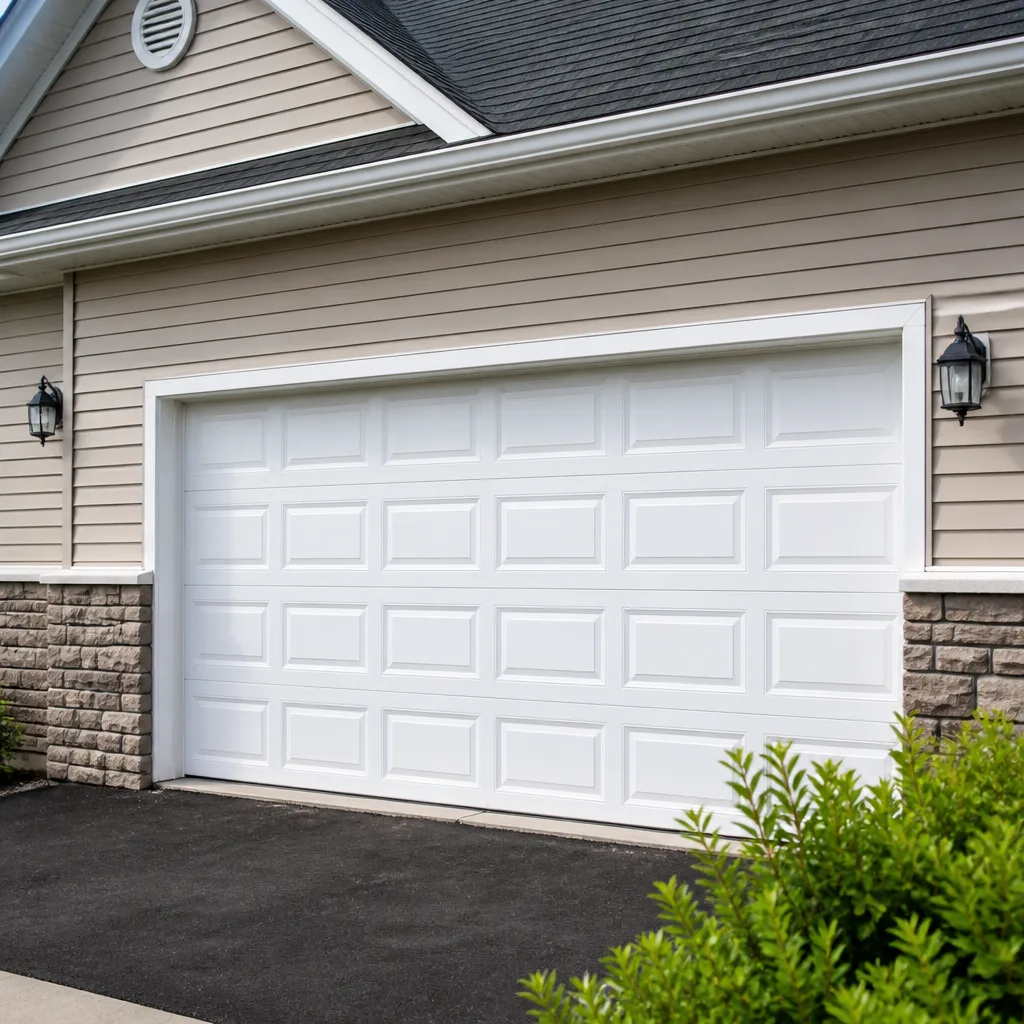 Raised-panel steel
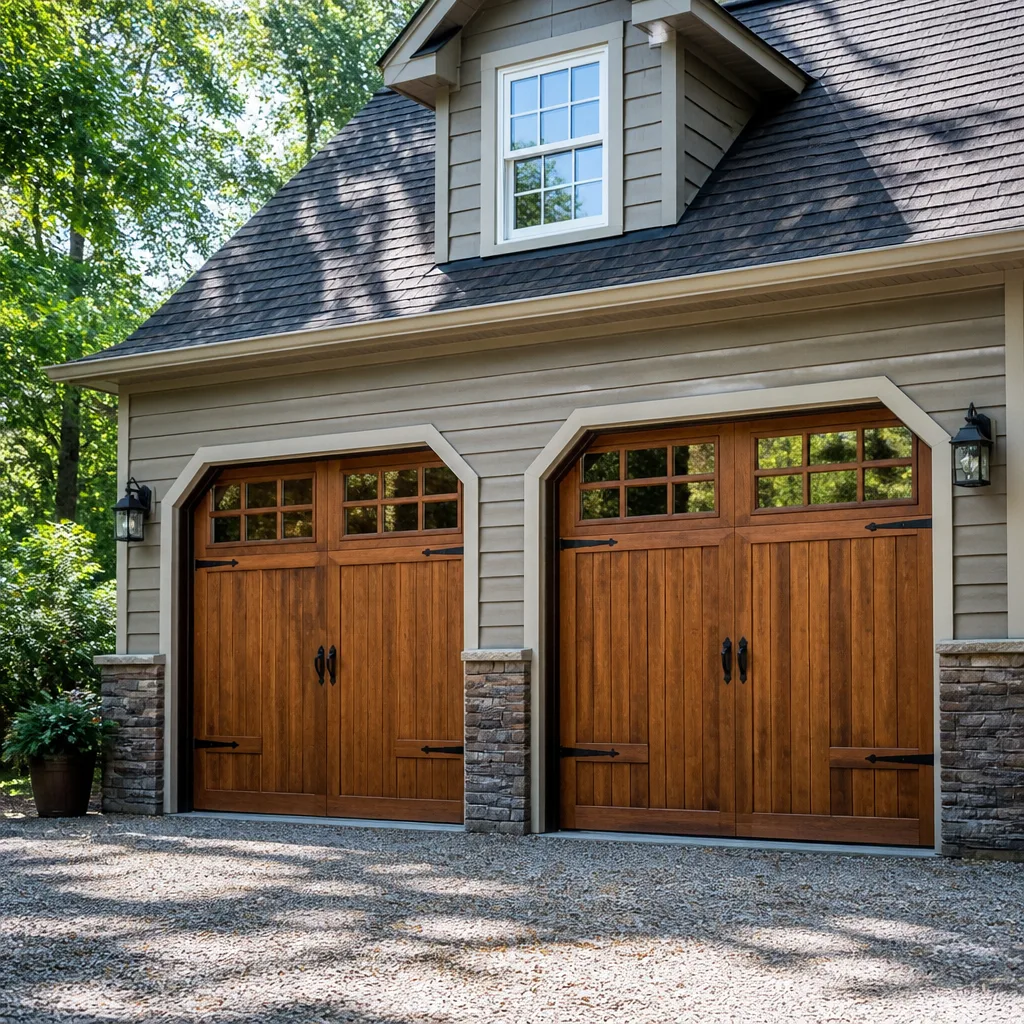 Carriage house
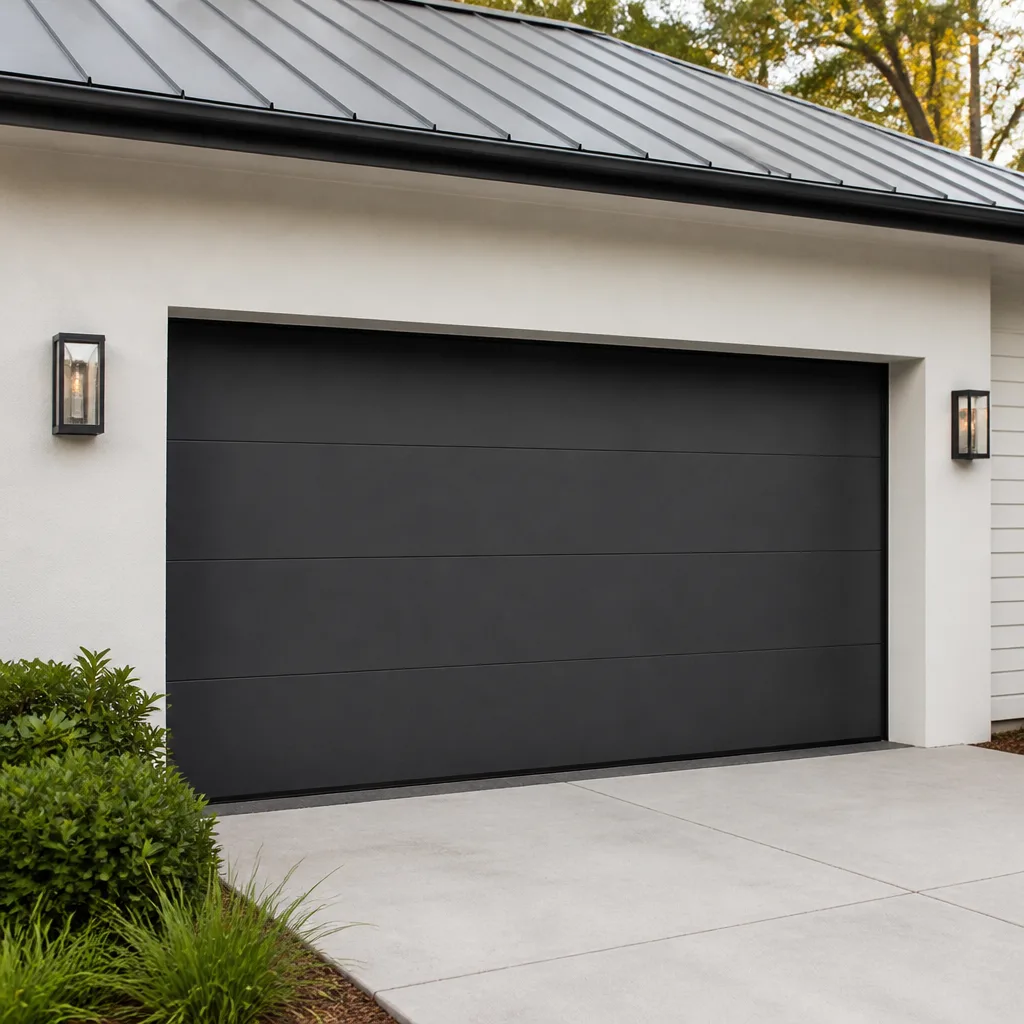 Modern flush
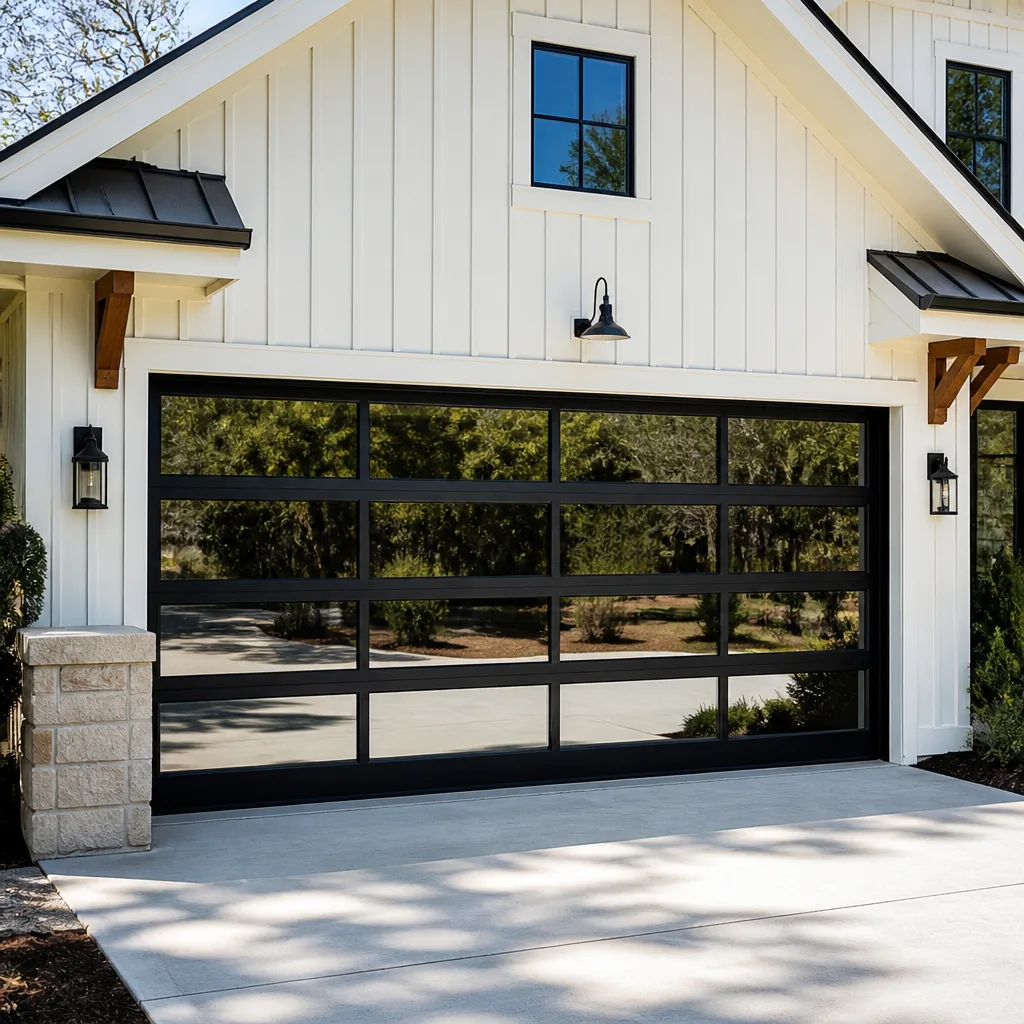 Full-view glass
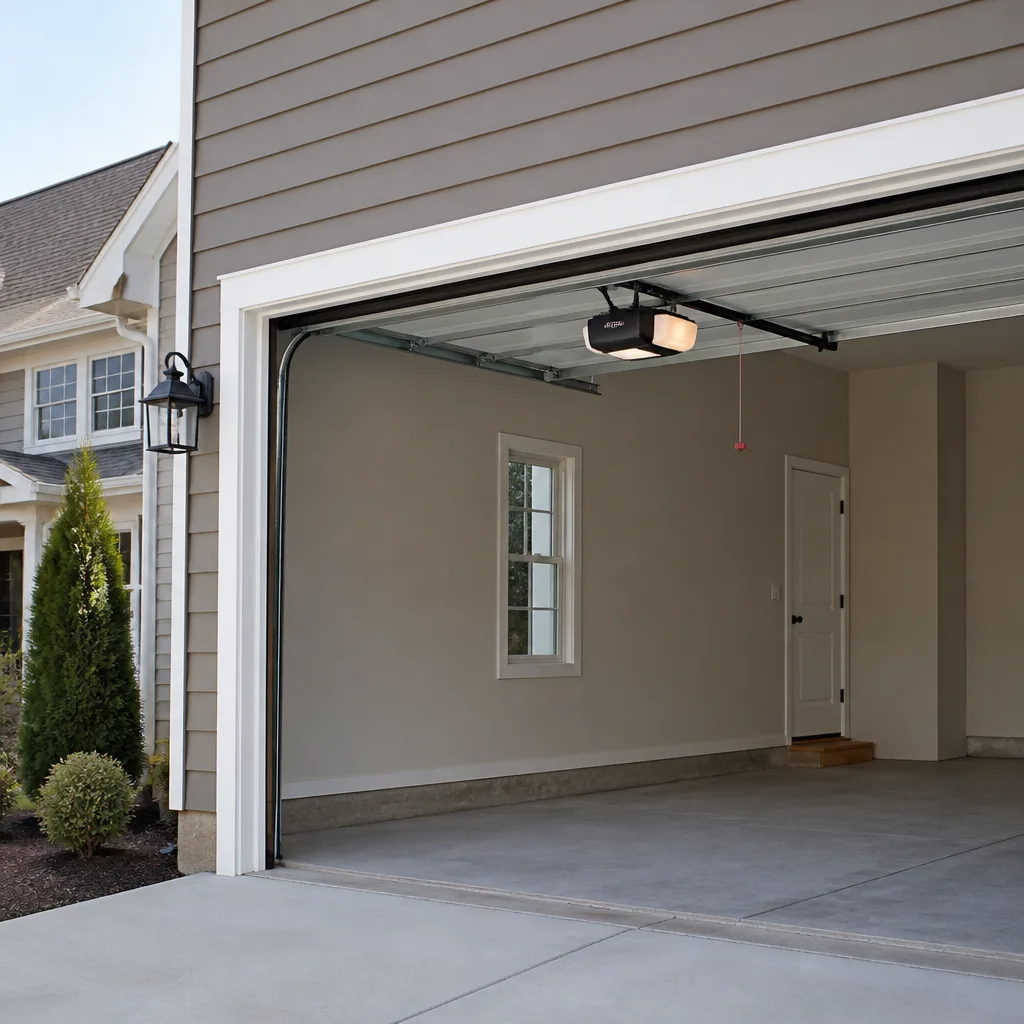 LiftMaster openers
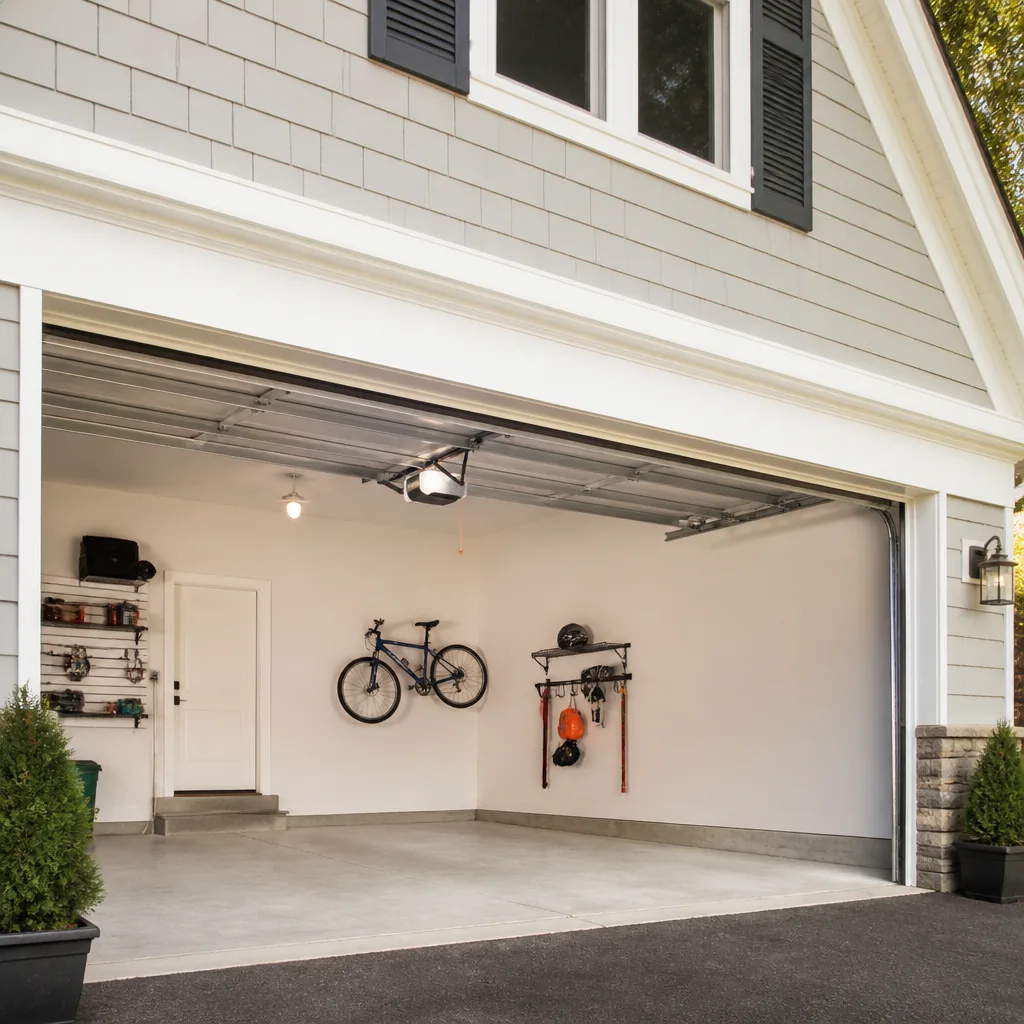 Chamberlain openers
Full 25-point door and opener safety check with every visit - springs, cables, rollers, tracks, and your LiftMaster or Chamberlain opener included
You get a price before we start. It does not change when the pro arrives.
Get your free estimateGarage Door Emergency Preparedness Guide for Princeton Homes
A snapping torsion spring gets most of the attention, but ask any technician who works on Princeton doors and they’ll tell you the expensive failures are the ones homeowners made worse in the first five minutes. A spring that lets go doesn’t drop the door – it just leaves it immovable. Reach for the opener anyway and you can cook the motor before your coffee finishes brewing. The gap between a spring job and a spring-plus-opener job is often one panicked decision. This guide gives you the right first move for every realistic failure a Princeton home faces: spring snap, cable snap, opener failure, off-track door, frozen door, and a dead power grid. Read it now while nothing’s broken, and you’ll be running a script instead of guessing at 6 AM.
Quick Answer
A garage door emergency in Princeton usually means one of five things: a broken spring, a snapped cable, an opener failure, a door off its tracks, or a door that won’t move after a power outage. In every case your first move is the same: stop pressing the opener, keep people and cars clear of the door, and don’t force anything. Then call (855) 337-2012. We answer 24/7. Fast dispatch from 7am to 7pm, Sunday through Friday.
Styles & brands we work with
- Raised-panel steel
- Carriage house
- Modern flush
- Full-view glass
- LiftMaster openers
- Chamberlain openers
Table of Contents
- Scenario Cards: What to Do First for Each Emergency
- Using the Red Emergency Release Cord Without Sending the Door Down
- Princeton Power Outage Prep: LiftMaster and Chamberlain Manual Release
- Security When Your Door Is Stuck Open or Won’t Latch
- Documenting Garage Door Damage for a New Jersey Insurance Claim
- Princeton Seasonal Threats: Freeze, Ice, and Summer Heat
- Building a Garage Door Emergency Kit
- When to Call a Professional
Scenario Cards: What to Do First for Each Emergency
Treat each of these as a card you can pull out in the moment. The sequence matters more than the diagnosis. And in every single scenario, the first rule holds: never keep running the opener hoping the door will catch. A motor working against a jammed or unbalanced door is drawing far more current than it was built for, and that’s how a repair becomes a replacement.
1. Snapped torsion spring
- What you’ll hear: a bang like a firecracker from inside the garage, followed by total silence.
- First move: leave the door closed if it’s closed. Do not press the opener button.
- Do not touch: the coiled springs themselves, ever. High-tension spring work is where serious injuries happen, and the tension is still stored even when the spring looks broken.
- Then: call for garage door spring repair. This is a safety-critical specialty, not a general handyman task.
2. Snapped or frayed cable
- What you’ll see: a steel cable hanging loose along one side of the door, or a door hanging visibly crooked.
- First move: keep the door where it is and keep people out of the garage bay. A door held by one cable can come down unevenly.
- Do not touch: the loose cable. It’s under load from the remaining side, and cutting or tugging it can release the door.
- Then: call for repair. Cable and door hardware work is a trained job.
3. Opener failure
- What you’ll notice: the motor hums but the door doesn’t move, the door reverses immediately, or the lights flash and nothing happens.
- First move: check the obvious non-problems first. Is the wall switch working? Is a lock or vacation mode engaged? Are the safety sensors on both sides of the door aligned and clear of leaves?
- Do not touch: don’t disconnect the door from the opener to “test” it unless you’ve read the emergency release section below.
- Then: call for garage door opener repair. We work on LiftMaster, Chamberlain, Genie, and Craftsman units, so the logic board and settings aren’t guesswork.
4. Door off-track
- What you’ll see: the door hanging at an angle, a roller popped out of its track, or a bent section of horizontal track.
- First move: do not run the opener, and do not try to lift or lower the door by hand. An off-track door can drop suddenly.
- Do not touch: the tracks and rollers. Forcing a door back onto a bent track usually creases the panel too.
- Then: call for garage door repair. If a car has struck a panel, treat it as off-track until proven otherwise.
5. Frozen door or ice-bound track
- What you’ll notice: the opener strains and the door doesn’t budge, or the bottom seal is bonded to the floor.
- First move: stop running the opener halfway through a strained attempt. A frozen seal can make the door jump a track or strip the opener’s drive gear on a cold morning.
- Do not touch: don’t pour hot water on the tracks or seals; it refreezes and can crack the seal.
- Then: if the door is stuck shut and you need the car out, call for emergency service. We treat “stuck shut when you need to leave” as urgent.
6. Power outage
- First move: go straight to the manual release section below. In Princeton, storms take the grid down long enough that knowing this cold matters.
Using the Red Emergency Release Cord Without Sending the Door Down
The red cord hanging from the opener carriage is the single most misunderstood piece of hardware on a garage door. It’s a safety device, and it does exactly one thing: it disconnects the door from the opener so the door can be moved by hand. Used correctly, it gets you out of a jam. Used wrong, it can send a door crashing down the tracks or leave the door in the hands of someone who isn’t prepared to hold its weight.
Here’s the right way to use it, and the weight check that makes it safe. You can do the weight check any time, not just when you have a problem.
- Close the door first, whenever possible. The safest time to release the door is when it’s fully closed. If you can wait, close it.
- Check the door’s balance while it’s still connected. When the door is halfway up and connected, release the opener and try to lift the door by the bottom edge. A well-balanced door should feel heavy but manageable. If it feels like it takes your whole body weight, the door is out of balance, and you should not release it by hand.
- Stand to the side of the door, not under it. Keep the door’s path clear and keep children back.
- Pull the red handle straight down and away. You’ll hear the carriage disengage. From this moment, the opener is out of the loop. The door is yours.
- Operate the door by hand slowly. Lift with your legs, not your back. If the door feels unbalanced or fights you at any point, stop and lower it gently.
- To reconnect, close the door fully and open the carriage manually. Most openers have a re-engagement procedure: close the door, pull down the carriage until it clicks, then run the opener once. If it’s not reconnecting, don’t force it – call for service.
What to check before you ever rely on this cord: that the cord reaches a reachable height (some are trimmed short), the handle is intact, and the carriage is not stuck. If the carriage has jumped or the cord is missing, the manual release won’t do what you need. That’s a repair, and it’s worth handling before the next storm.
Princeton Power Outage Prep: LiftMaster and Chamberlain Manual Release
If a storm knocks out power in Princeton tonight, your garage door doesn’t open by remote, and the keypad doesn’t work either. The one that works is the manual release. The LiftMaster and Chamberlain units that dominate Mercer County homes all use the same basic idea: a carriage that slides on the rail and a release cord that lets the carriage go. A few of the newer Chamberlain units add a lock or vacation mode in the wall control, and the door won’t open by remote until that mode is cleared, so if the remotes go dead but the wall button works, check that first.
What actually helps is a little planning before the grid goes down.
- Locate the manual release key, or the release cord, and store a spare where you can find it in the dark. A small hook on the wall next to the garage entry door, or a labeled drawer in the garage, beats a search at 11 PM.
- Put a flashlight in the garage. The garage gets dark fast, and the release hardware is up high on the opener rail.
- Practice the release once, when the power is on and the door is closed. Knowing where the cord is and how the carriage sounds when it disengages takes the panic out of the real thing.
- If you have a battery-backup opener, know its test procedure. Many battery-backup models beep or flash when the battery is failing, and a failing battery is worth replacing before the next storm.
- Know how to lock the door manually. On some doors, the manual lock bar or slide lock is what holds the door when the opener is off, and if you don’t know where it is, you’ll be looking for it in a power cut.
One more thing about power cuts: if the door was open or partly open when the power went, don’t leave it that way. Use the manual release to bring it down by hand, close it, and secure it. We answer 24/7. A call outside dispatch hours is booked into the next opening, Sunday through Friday, 7am to 7pm.
Security When Your Door Is Stuck Open or Won’t Latch
A door stuck open overnight is a security problem, and the temporary fixes most homeowners reach for don’t fix much. The real question is: what does a temporary measure actually accomplish? A good temporary measure keeps the door from moving unexpectedly, keeps the gap from inviting entry, and preserves the evidence for the repair. Everything else is theater.
What works:
- Lower the door to the closed position if it’s safe to move by hand. If the tracks and cables are intact and the door only failed to close because the opener quit, closing it by hand and locking the manual lock is the cleanest solution.
- If the door is stuck fully open, keep it open and keep it from moving. Use clamps or a door stop against the track if the door is at rest and secure. A door that’s stuck open and left to sway is worse than one that’s parked firmly.
- Prop the door from the inside with a sturdy object under the bottom section to reduce the chance of unexpected motion while you wait for a technician.
- Take care of the opening itself. If the door is open and you can’t close it, secure the vehicle bay as best you can and move anything valuable out of sight.
What creates a false sense of security:
- Blocking the door with a car inside the garage. It doesn’t protect the house, and it locks the car into the puzzle when the repair arrives.
- Taping or zip-tying the door closed from the outside. The door isn’t latched; it’s just held visually, and it can’t be opened if you need to move it quickly.
- Disconnecting the opener and leaving the door in the middle of its travel. A door stopped partway up is the worst position for both security and safety.
If a door is stuck open, treat it as a call-worthy problem, not a wait-and-see. Emergency service exists for exactly this.
Documenting Garage Door Damage for a New Jersey Insurance Claim
When a car strikes a panel, a storm takes a door off its track, or a cable snap throws the door, the homeowner’s insurance claim comes down to evidence. The adjuster wasn’t there when it happened. What they have is your photos, your description, and the repair estimate. The evidence you capture in the first ten minutes matters, and most homeowners miss half of it.
Photograph these, and do it before cleanup or temporary repairs:
- Wide shots of the whole door and opening. Step back and get the full door from both inside and outside, so the adjuster sees the whole situation.
- Close-ups of each damaged part. The bent panel, the popped roller, the snapped cable end, the spring. Get the part, the damage, and enough surrounding surface to show it’s on your door.
- The mechanism, not just the damage. Shoot the track where it bent, the carriage where it jumped, and the opener if it was involved.
- The cause, if visible. If a fallen limb struck the door, photograph the limb, the door, and the branch pattern. If a car caused the damage, photograph the car’s contact point too.
- Date and time in the photo. Many phone cameras embed this; make sure the timestamp is on. Also keep the earliest photos you took before any cleanup.
- The serial or model label on the door or opener. A close-up of the label helps the adjuster match the original and the replacement. Many doors have the label near the bottom interior section.
What adjusters typically ask for that most homeowners don’t capture: a photo of the door from the inside when it’s still in the failed position, and a written note of what happened before any temporary fix. Also keep a written list of what you did to secure the opening, with times. Keep the written repair estimate from your garage door service, not just a verbal one. The written quote is the price for the work, and that is what the claim should reference. We’re glad to work with your insurer and can provide an itemized written estimate of the repair or replacement.
Princeton Seasonal Threats: Freeze, Ice, and Summer Heat
Princeton’s climate gives a garage door two very different kinds of hard. In winter, the trouble is freeze and thaw. In summer, it’s heat and humidity. Both put stress on the same parts, in different ways, and both are predictable if you know what to check.
Winter: freeze, ice, and the bottom seal
On a cold morning, the bottom seal can freeze to the concrete floor. Press the opener and the door doesn’t lift; instead the seal stays stuck and something in the mechanism takes the load. Snowmelt that runs under the door and refreezes overnight can also bind the bottom section. The smarter sequence is to clear the seal area before the first big cold snap, check that the door closes fully and evenly, and treat a frozen door as a “let it thaw or call for help” situation rather than an opener battle. Don’t chip ice off the tracks with a metal tool; the tracks dent, and a dented track throws the rollers.
Summer: heat, humidity, and hardware
Summer heat expands the tracks slightly and softens the wood of a wooden door or the finish on a steel one. It’s also the season when roller bearings and hinges begin to squeal, and that squeal is often the first sign a roller is seizing. Humidity is tough on the opener’s circuit board, especially in a garage that’s open to the weather. The dry-season check – alignment of the safety sensors, the door’s balance, and a listen for grinding – prevents a lot of problems. The same balance check from the emergency release section above is worth running in spring and fall.
Storm season
Wind events and fallen limbs are the most common cause of sudden panel and track damage in Princeton. If a limb has struck the door, don’t open it to test the damage. The track may have been knocked out of alignment, and the opener will finish the job on the next cycle.
Building a Garage Door Emergency Kit
A small kit in the garage handles the first ten minutes of nearly any failure, and it costs less than the average service call. Keep it in a labeled bin on a shelf, not under something.
- A good flashlight, or a headlamp and spare batteries. The garage is the darkest room in the house when the power fails.
- The manual release key or a copy of the opener manual. Store the manual with the kit; the re-engagement procedure differs by model and brand, and a LiftMaster is not a Genie.
- Work gloves for handling the door edge and moving debris.
- A couple of door stops or clamps for holding a stuck-open door from the outside.
- A small padlock for the manual lock where one is fitted.
- A printed phone list with the garage door service number and your insurer’s claim line, taped inside the bin lid.
- A retractable utility knife and a marker – useful if you need to label or make temporary fixes, and small enough to keep out of the way.
What not to keep in the kit: a pry bar, a sledgehammer, or anything that encourages you to force the door. Forcing is the number one way a $300 problem turns into a bigger one.
Common Mistakes to Avoid
- Holding the opener button while the door is jammed. The motor is trying to do work the door won’t allow, and the current draw is doing damage with every second. Press once, listen, then stop.
- Forcing a door back that’s come off its track. A bent track plus a forced door usually means a bent panel and a bigger bill. Leave the door where it sits and get a technician out.
- Disengaging the emergency release on a door that’s clearly out of balance. The manual release takes the opener out of the loop; if the door’s weight isn’t managed, the door drops. Do the weight check first.
- Trying to replace a spring yourself. Torsion and extension springs store energy that can injure badly, and the injury doesn’t come from a fall. Spring repair is handled with the proper tools and tension management for a reason.
- Painting over or taping up a crack in a panel. It hides the evidence for insurance and doesn’t fix the panel’s structure. Photograph first, repair second.
- Running the opener after the safety sensors have been hit. A knocked sensor will stop the door on every cycle, and the usual “fix” of jamming it with cardboard can defeat the safety circuit. Realign it, or call for a repair.
- Waiting until the door is totally down to call. A grinding opener or a sticking door is easier and cheaper to fix before it fails. Diagnosing it while it’s still working beats an emergency call later.
See the difference
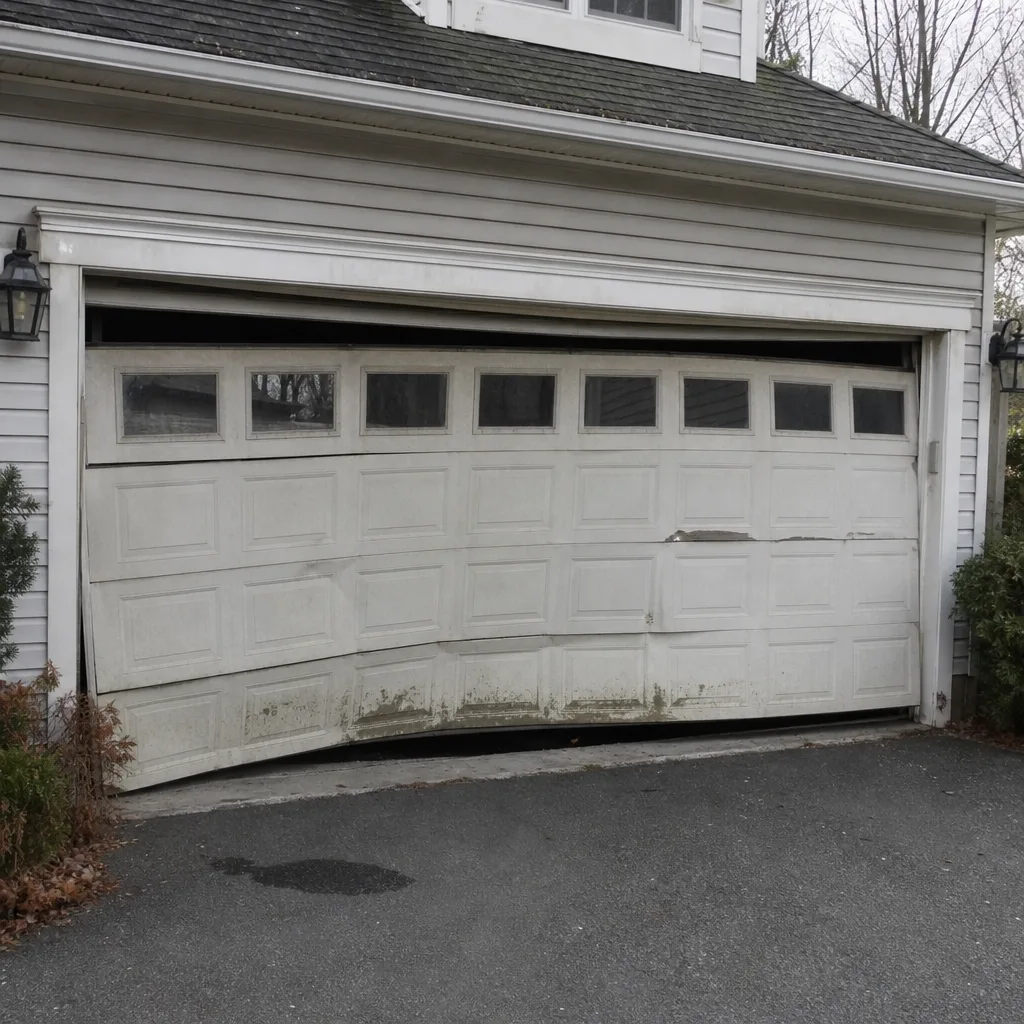 Before
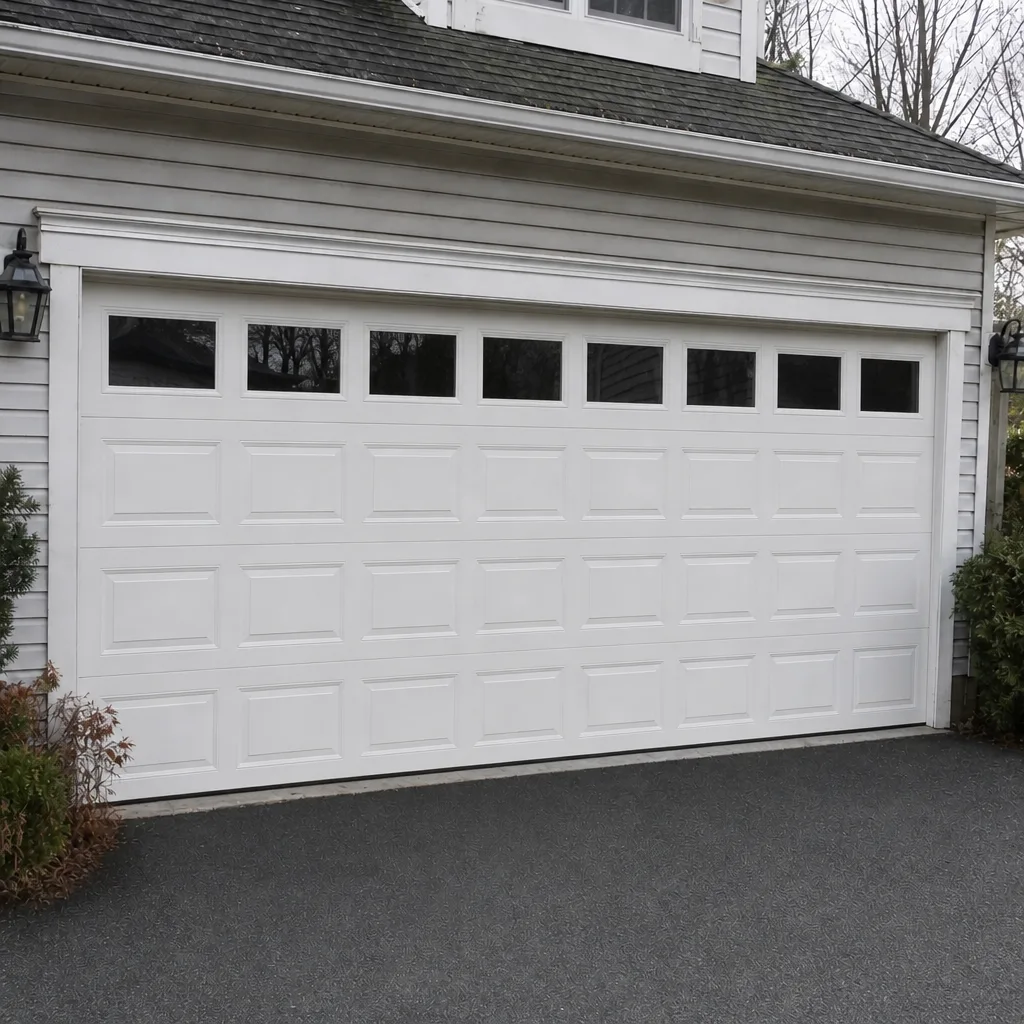 After
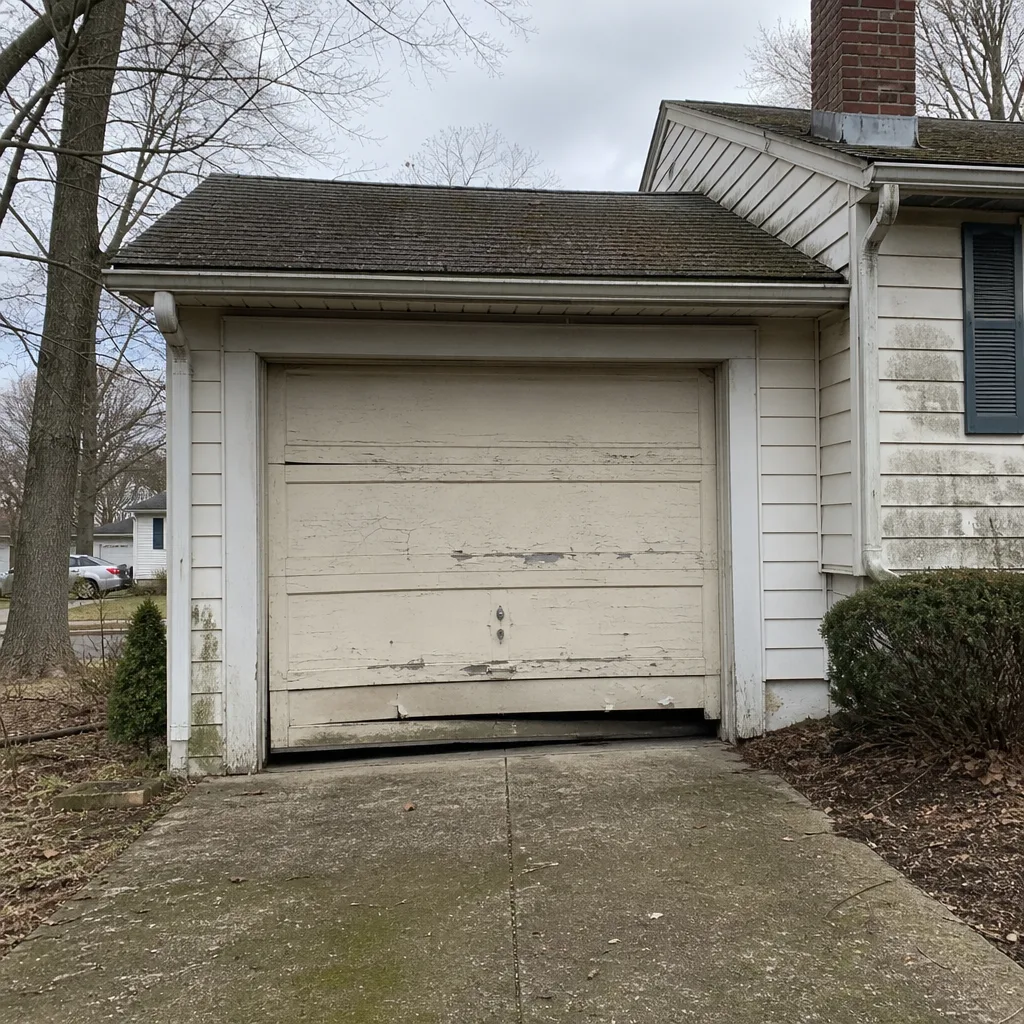 Before
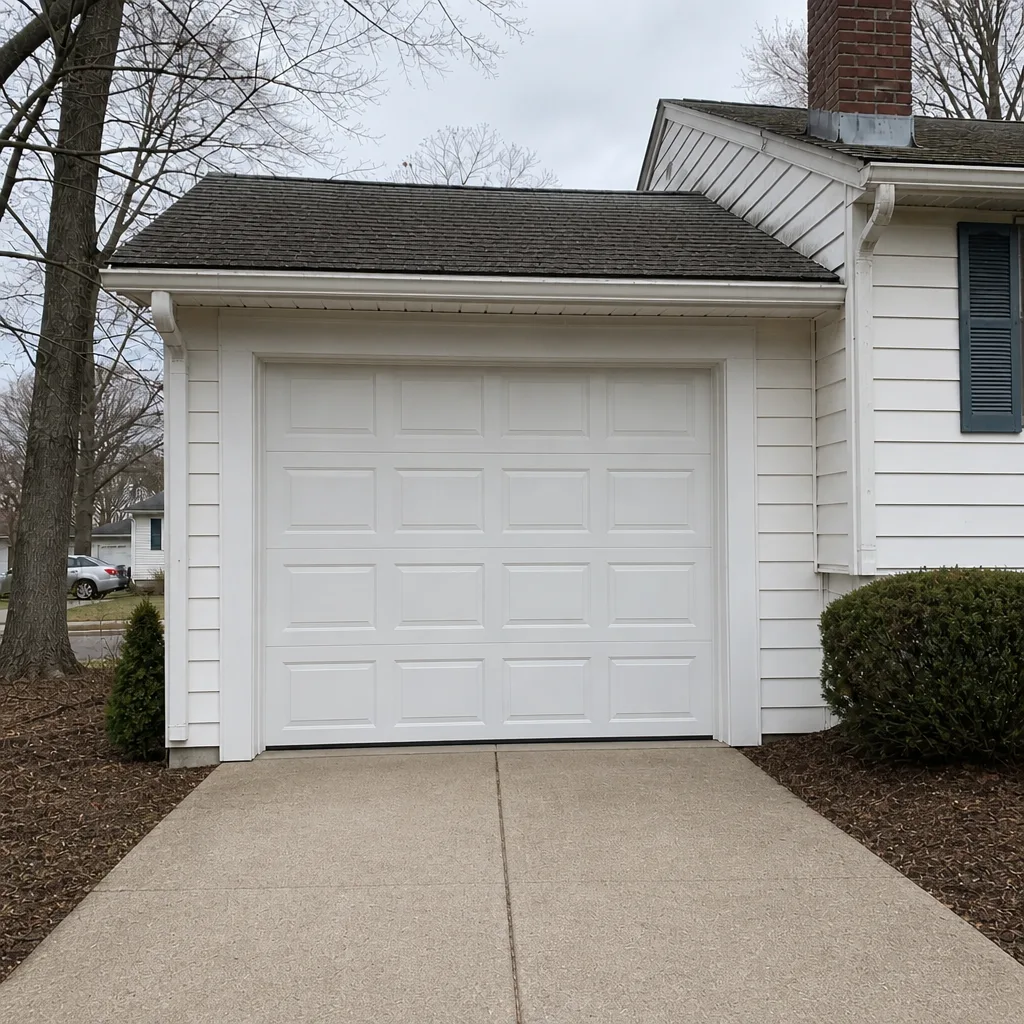 After
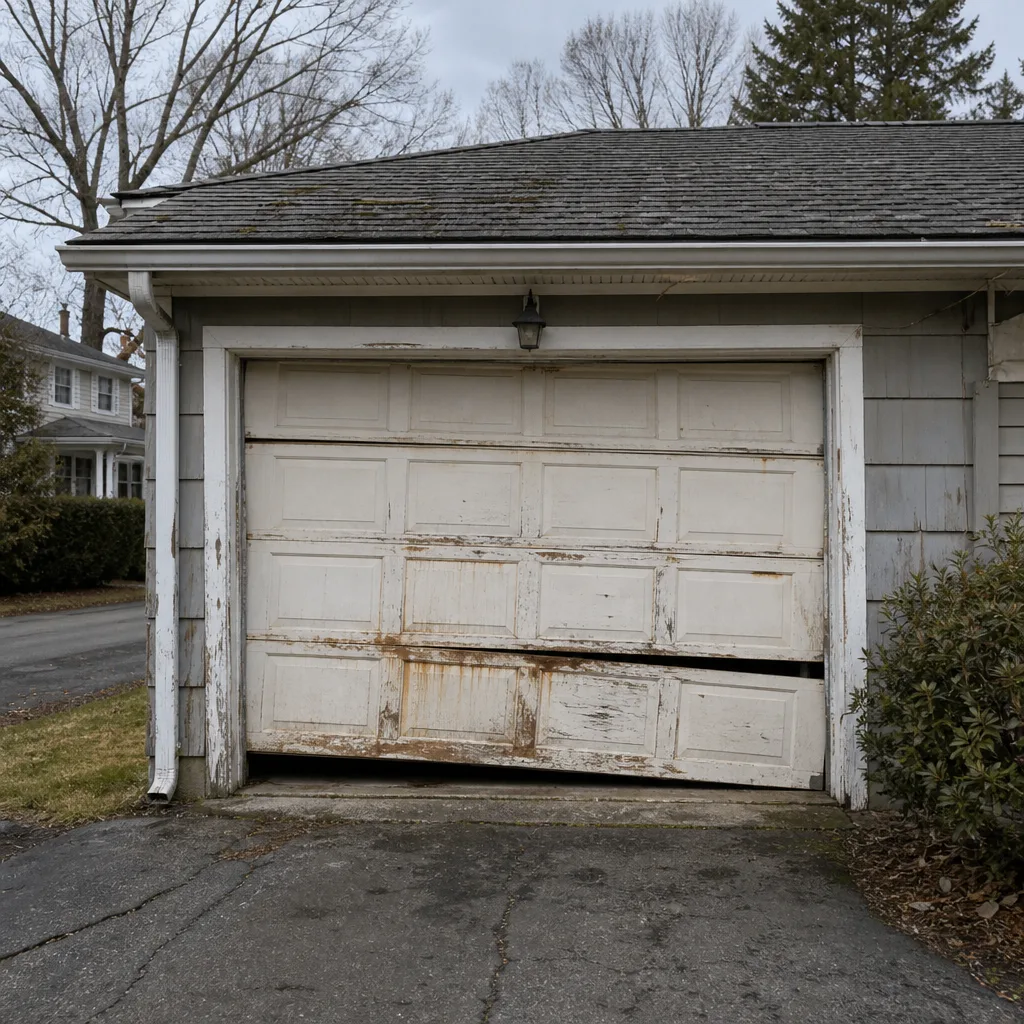 Before
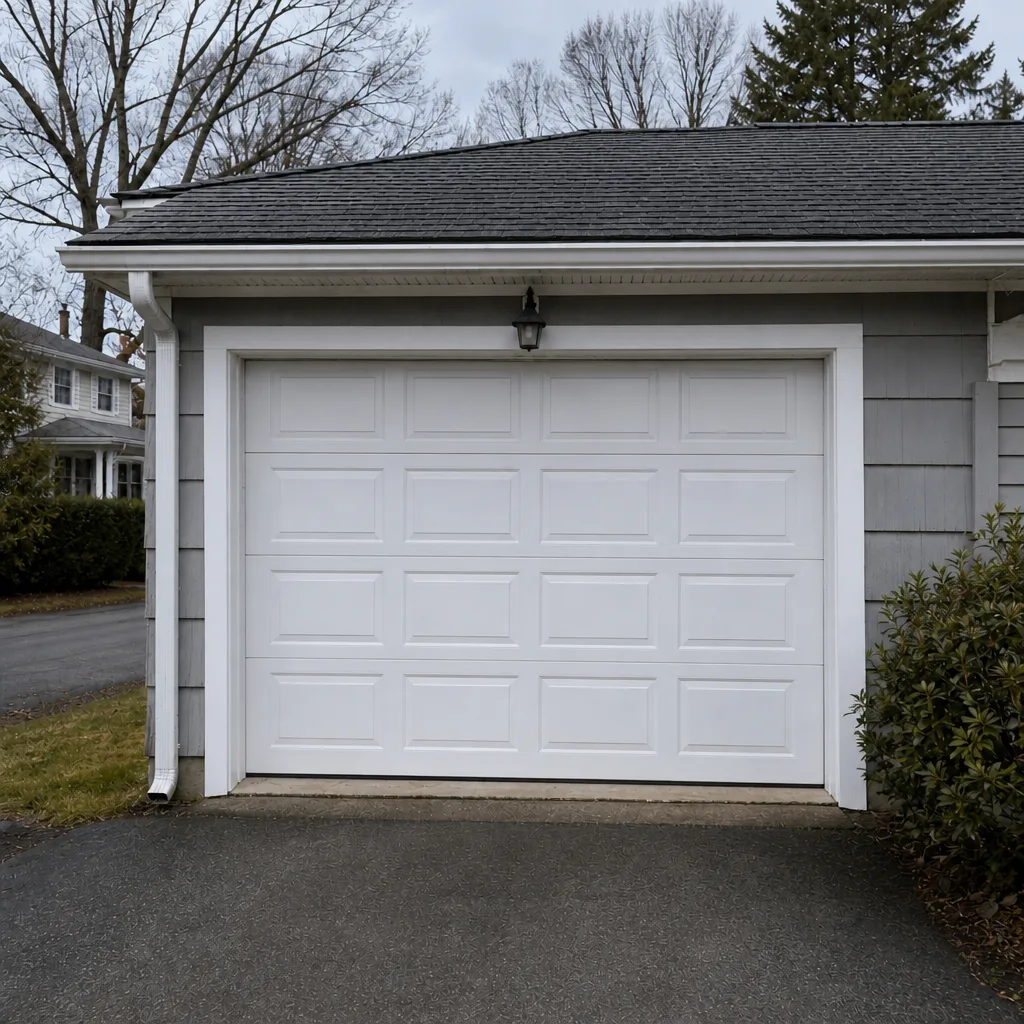 After
When to Call a Professional
Some problems are a five-minute check. Others are a technician’s job, and waiting makes them worse. Call for help if a spring has broken, a cable is loose or hanging, the door is off its track, a car or limb has struck a panel, the opener is straining against a door that won’t move, or a door is stuck open and can’t be secured. Also call when the door has come down once and you can’t tell why – intermittent opener failure is usually a sign the opener or the door’s balance needs a proper look.
Princeton Garage Door Repair Pros offers free estimates in Princeton – call (855) 337-2012. Our technicians have up to 14 years of experience and are factory-familiar with LiftMaster, Chamberlain, Genie, Clopay, Amarr, Wayne Dalton, Craftsman, and Raynor. We diagnose, source parts, and repair or install under one roof, so nothing gets handed off. When it’s urgent, we move urgently. We answer 24/7. Fast dispatch from 7am to 7pm, Sunday through Friday. The price is quoted and agreed before any work starts, and the written estimate sets the final price.
Frequently Asked Questions
Stop pressing the opener and leave the door where it is. A broken torsion spring leaves the door unpowered and heavy but doesn’t make it unsafe to stand near – the danger is forcing it or touching the spring itself. Call for spring repair; this is safety-critical work. Call (855) 337-2012 for an exact quote – estimates are free.
Yes – a door stuck open is treated as urgent, not scheduled for next week. We answer 24/7. Fast dispatch from 7am to 7pm, Sunday through Friday. A call outside dispatch hours is booked into the next opening. Call (855) 337-2012 and we’ll get you on the schedule.
Typical spring repair in the Princeton area runs in the low-to-mid three-hundreds for one spring, and a matched pair is usually replaced together at roughly twice that. The final price is set by the written estimate for your specific door and spring. Call (855) 337-2012 for an exact quote – estimates are free.
No – the price is quoted and agreed before any work starts, and the written estimate sets the final price. If we find a related problem during the work, we explain it and get your agreement before doing it. Call (855) 337-2012 for a free estimate.
Yes – the local professional we connect you with is licensed and insured as New Jersey requires. We only work with vetted local professionals who perform the repair or installation on-site. Call (855) 337-2012 to get started.
Yes, with the red manual release cord on the opener carriage. Close the door first if you can, do a balance check by hand, stand to the side, then pull the handle straight down and move the door by hand. Keep the door fully closed and manually locked when not in use. If the carriage won’t release, call for service: (855) 337-2012.
The Bottom Line
The best-prepared Princeton homeowner isn’t the one with the biggest tool kit. It’s the one who knows what NOT to do in the first sixty seconds. Don’t keep pressing the opener. Don’t force a jammed door. Don’t touch a spring. Don’t disengage the manual release on a door that’s out of balance. Know where the red cord is, keep a flashlight in the garage, photograph damage before you clean it up, and have the phone number already saved. From a grinding opener to a full new door, we handle the diagnosis, the parts, and the installation across every major brand. Our technicians have up to 14 years of experience. We work on the brand you already have, and we treat a stuck door as urgent, not a wait-until-next-week problem.
One number covers it: call (855) 337-2012 for a free estimate. We answer 24/7. Fast dispatch from 7am to 7pm, Sunday through Friday. The price is quoted and agreed before any work starts, and you’ll have a written estimate in hand. If a door fails on a Saturday, give us a call and we’ll book you for Sunday. For a fuller look at everything we repair and install, start with Princeton Garage Door Repair Pros.
Written by the team at Princeton Garage Door Repair Pros.