
Last updated November 22, 2026
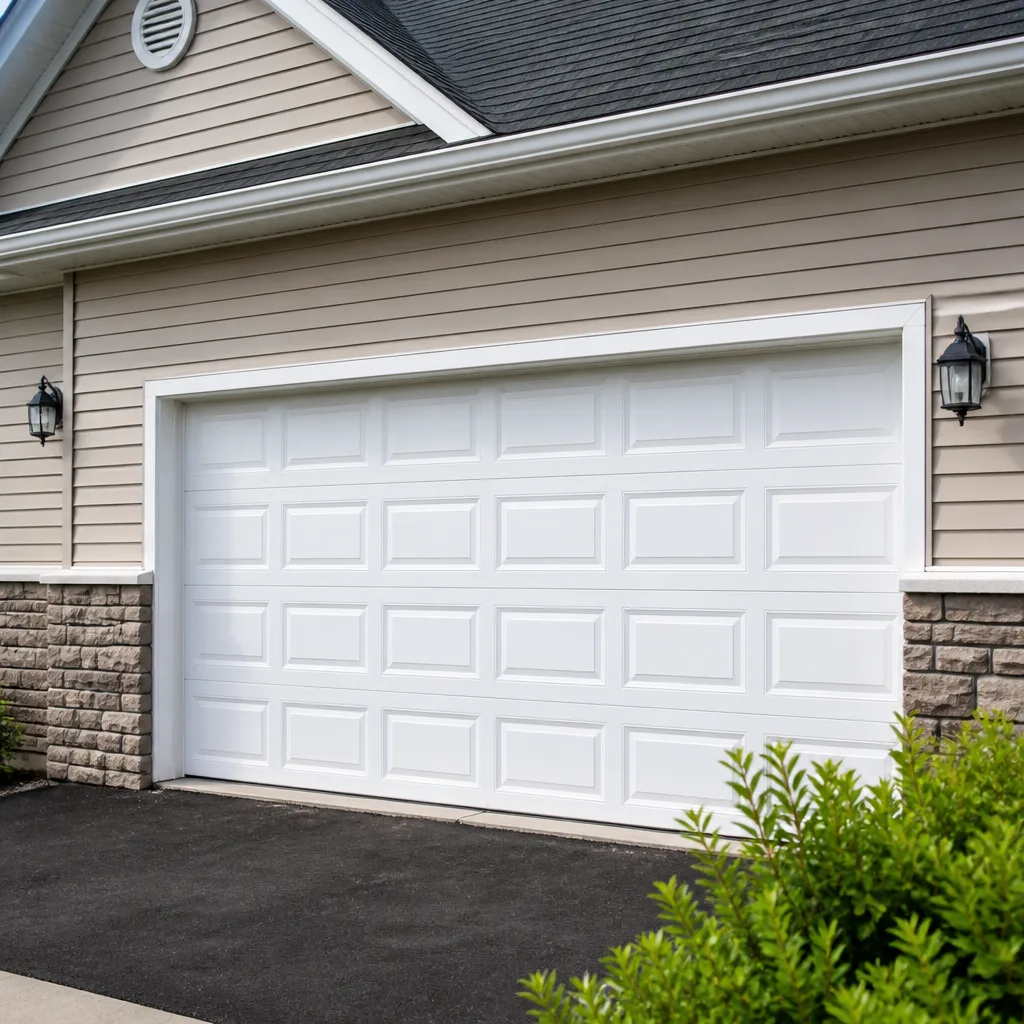 Raised-panel steel
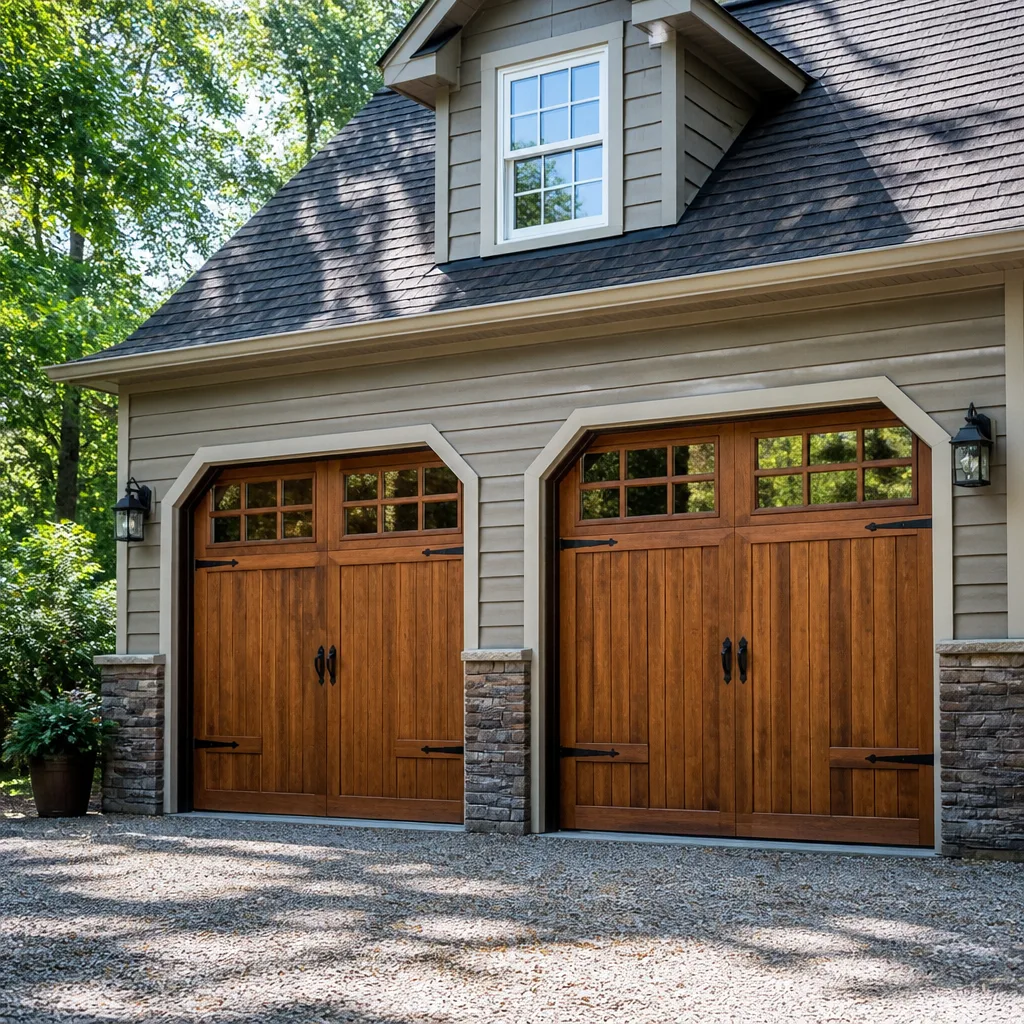 Carriage house
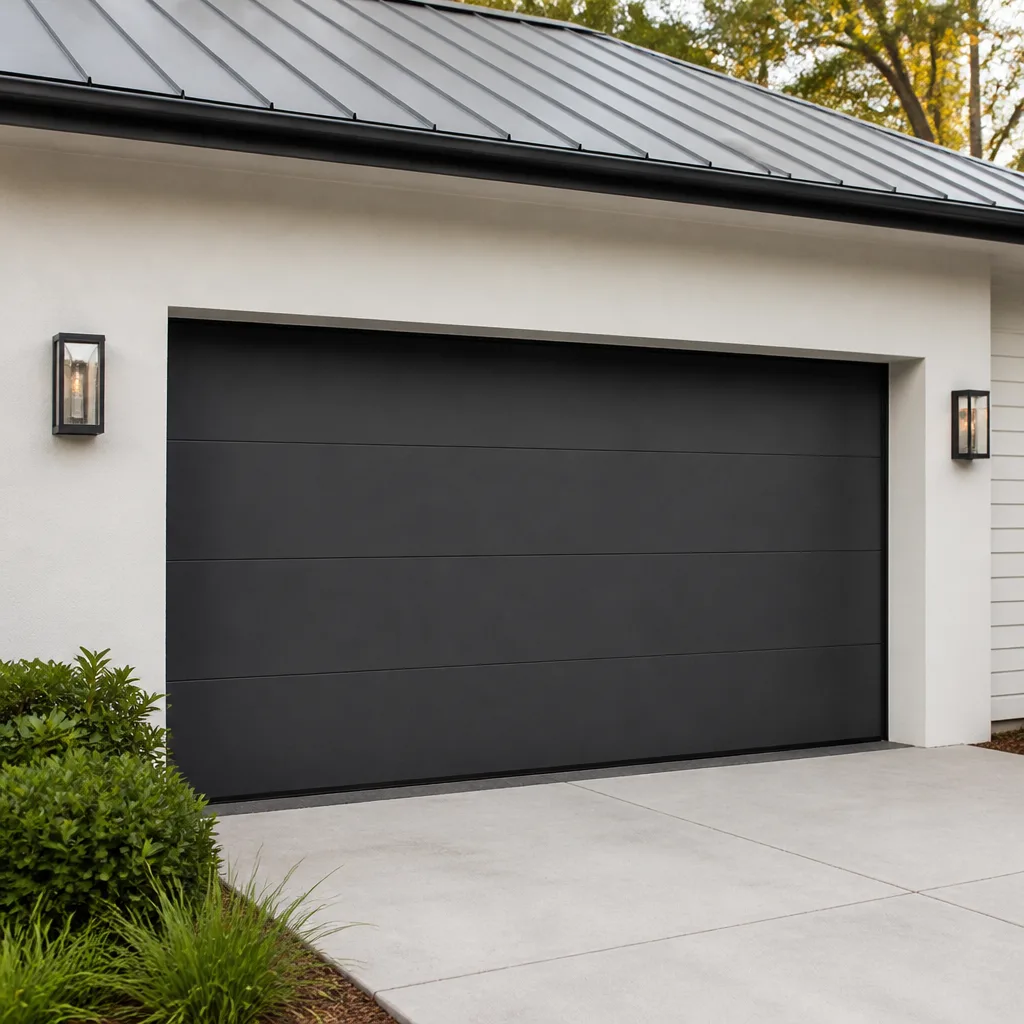 Modern flush
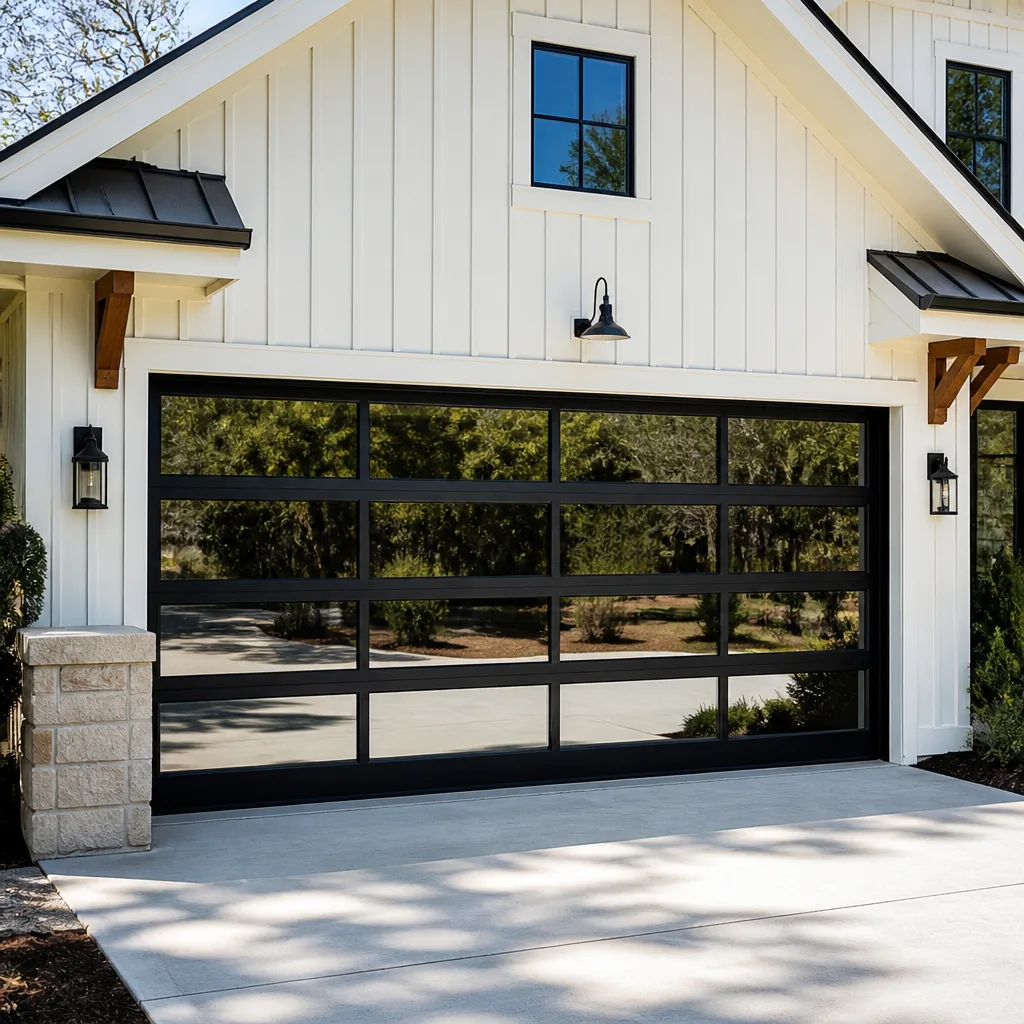 Full-view glass
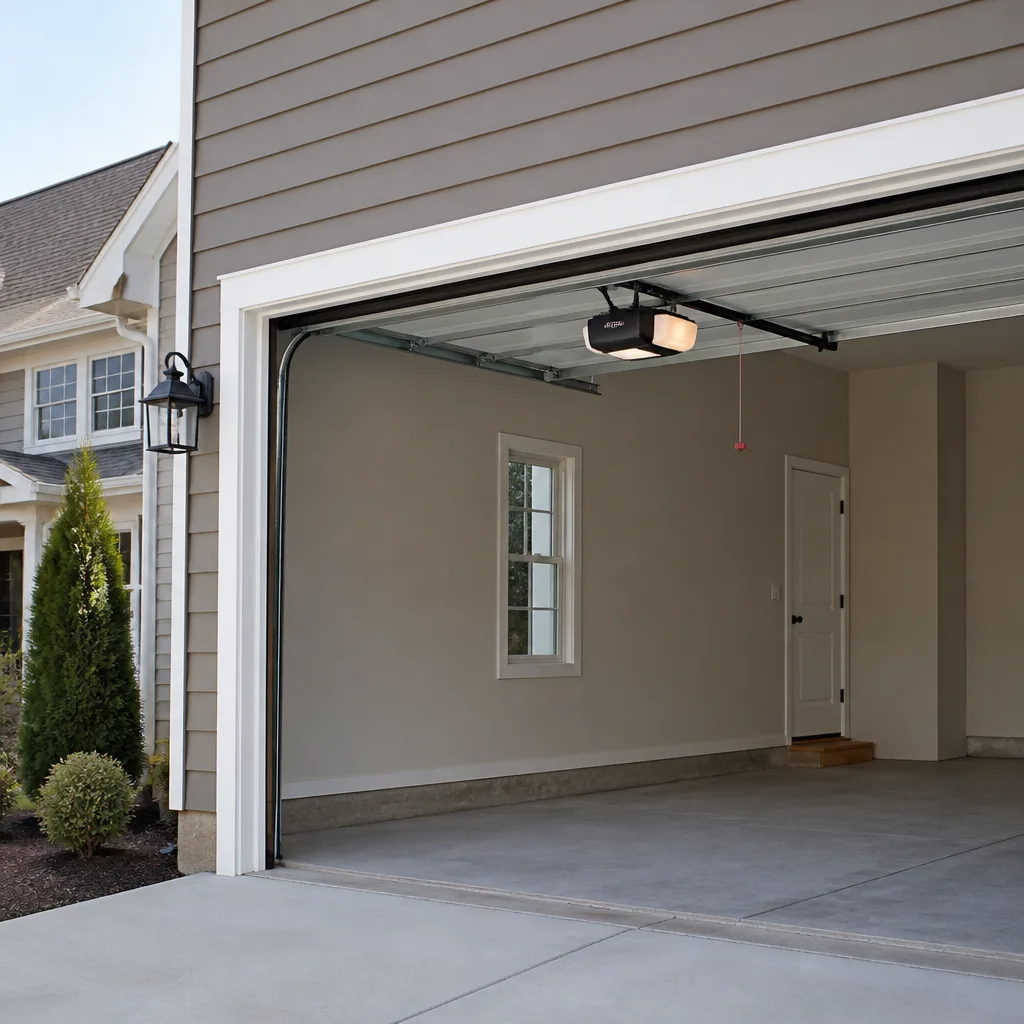 LiftMaster openers
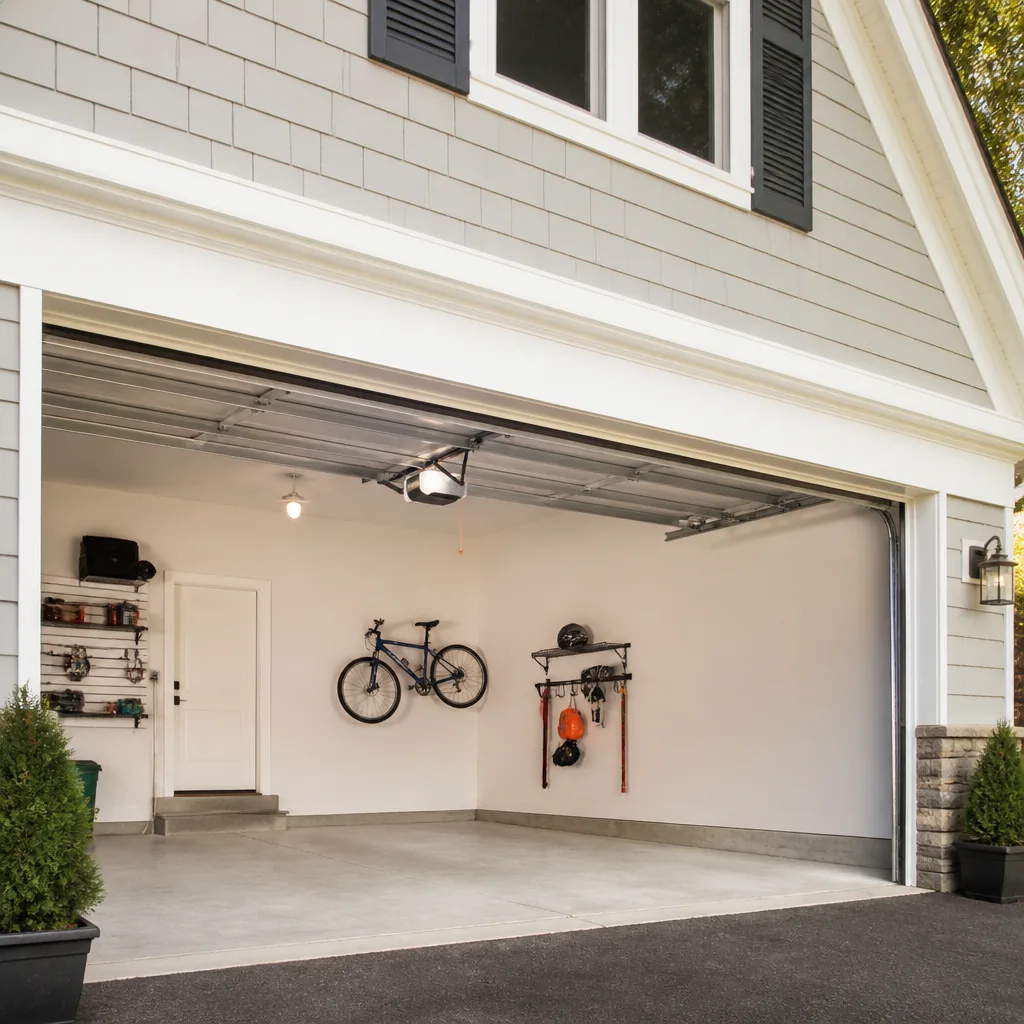 Chamberlain openers
Full 25-point door and opener safety check with every visit - springs, cables, rollers, tracks, and your LiftMaster or Chamberlain opener included
You get a price before we start. It does not change when the pro arrives.
Get your free estimateSeasonal Garage Door Care for Princeton: Year-Round Homeowner’s Guide
Most homeowners treat garage door maintenance as a single annual chore, usually a vague “check it once a year” reminder. That approach misses what actually happens to garage door hardware in Princeton, where the weather swings from humid mid-90s in August to single digits in January. Your garage door is your home’s largest moving part, and every one of its components responds differently to each season. The spring that strains in February, the seal that freezes in December, the bracket that loosens after the March thaw, the panel that drifts out of alignment in July: these are four separate problems with four separate causes. This guide breaks the year into those four windows so you’re preventing the next failure instead of repairing the last one.
Quick Answer
The best seasonal care for a garage door in Princeton is a four-part cycle: a pre-winter prep sequence in late October (seal, weatherstrip, spring lubrication), cold-weather handling through winter, a post-thaw hardware inspection in spring, and a humidity-season alignment and opener check in summer. Each season targets a different failure mode, and skipping any one of them tends to show up as a repair bill in the following season.
Styles & brands we work with
- Raised-panel steel
- Carriage house
- Modern flush
- Full-view glass
- LiftMaster openers
- Chamberlain openers
Table of Contents
- Fall: Pre-Winter Prep Before the First Hard Frost
- Winter: Frozen Seals, Stiff Springs, and Safe Cold-Weather Operation
- Spring: Post-Thaw Hardware Inspection
- Summer: Humidity, Panel Alignment, and Limit Screw Adjustments
- Your Princeton Seasonal Task Calendar
- Common Mistakes to Avoid
- garage door spring repair and When to Stop DIYing
- Frequently Asked Questions
Fall: Pre-Winter Prep Before the First Hard Frost
The single most important window on the Princeton garage door calendar is late October, right before the first hard frost settles in. This is when you do the work that prevents cold-weather failures. The sequence matters, so run it in this order.
- Inspect and clean the bottom seal. Run your hand along the rubber seal at the base of the door. Look for cracks, flattening, or gaps. A seal that’s already compromised will let cold air and moisture under the door all winter, and moisture is what freezes the door shut.
- Test weatherstrip compression. With the door closed, check that the side and top weatherstripping presses firmly against the frame. If you can see daylight or feel a draft, the seal isn’t doing its job and cold air is getting to the hardware.
- Lubricate the torsion spring, hinges, and rollers. A light application of a garage-door-specific lubricant reduces friction and helps the spring move smoothly when temperatures drop. This is the step homeowners skip most often, and it’s the one that matters most heading into a Princeton winter.
- Test the door’s balance by hand. Disconnect the opener and lift the door halfway. It should stay in place. If it drops or rises on its own, the spring tension is off and should be looked at before the cold sets in.
- Check the opener’s force and travel settings. Cold weather increases resistance, and an opener set too tight can strain against a stiff door.
Doing this the week before the frost, not the week after, is what separates a quiet winter from an expensive one. The homeowners who avoid a February spring call knew to check tension and balance in October, while the hardware was still warm and the door was still moving freely.
Winter: Frozen Seals, Stiff Springs, and Safe Cold-Weather Operation
Winter is when a garage door in Princeton shows you what you missed in the fall. Cold contracts steel, stiffens lubricant, and freezes any moisture that found its way under the door. The trickiest situation is a bottom seal frozen to the concrete floor. Your instinct is to hit the opener and let the motor rip it free. Don’t. That’s how panels bend and opener gears strip.
Here’s how to handle it safely:
- Disconnect the opener first. Pull the manual release so the motor isn’t fighting the ice.
- Free the seal gently. Work a plastic scraper or a putty knife along the seal edge to break the ice bond. Never pry at the panel itself.
- Lift the door by hand once the seal is free, then reconnect the opener only after the door moves smoothly.
- Prevent the freeze next time. A silicone-based lubricant on the seal face helps it release from the floor after the next temperature drop.
There’s a second winter issue that catches people off guard: stiffness in the torsion assembly. When the steel contracts overnight, the door feels heavier and the opener works harder. If your door groans or the opener struggles on a cold Princeton morning, that’s information, not noise. It often means the spring tension or the opener’s force setting is slightly off, and it’s worth a look before it becomes a snapped spring.
Spring: Post-Thaw Hardware Inspection
The March thaw does something specific to a garage door that most inspections overlook: freeze-thaw cycling stress. Water that worked its way into the hardware in winter expands when it freezes and contracts when it thaws, and that cycle loosens fasteners over and over again.
Spring is when you inspect the components that freeze-thaw cycling attacks most:
- Galvanized brackets. Check the mounting brackets at the top of the door and at the spring anchor plate for loosened bolts or visible corrosion at the edges.
- Track fasteners. Walk the full length of both tracks and check that every lag bolt and screw is snug. Loose track bolts are a leading cause of a door that jumps or binds.
- Cable drums. Look at the drums at the top corners of the door. The cable should be wound evenly with no fraying, kinks, or loose wraps. Frayed cable is a safety issue, not a maintenance item.
- Rollers and hinges. Check for flat spots on rollers and worn hinge pivots. These wear faster after a cold season of stiff operation.
If you spot a frayed cable or a spring that looks stretched or has a visible gap, stop and call. High-tension spring and cable work is genuinely dangerous and belongs to a trained technician with the right tooling. We handle garage door spring repair as a safety-critical specialty for exactly this reason.
Summer: Humidity, Panel Alignment, and Limit Screw Adjustments
Princeton’s muggy July and August stretch does its own kind of damage, just more slowly. Humidity swells wood-composite panels and puts subtle pressure on the steel sections, hinges, and the door’s overall alignment. The result is often a door that starts dragging, rubbing, or closing unevenly, and an opener that’s suddenly working harder than it did in June.
This is the season for two specific tasks.
Check panel alignment. With the door down, look along the top edge. Is it level? Do the panels sit flush with each other? A door that’s absorbed moisture often drifts slightly, and a small misalignment puts uneven load on the spring and opener.
Adjust the opener’s limit screws if needed. The travel limit screws control how far the door opens and closes. When humidity causes the door to swell slightly, the opener may think it’s hitting an obstruction and reverse prematurely, or fail to close fully. A small turn of the limit screw compensates. On LiftMaster and Chamberlain units in particular, this is a straightforward adjustment, but it’s one where knowing the opener’s logic helps. If the door still reverses or won’t close after a limit adjustment, the opener itself may need attention, which is where garage door opener repair comes in.
Your Princeton Seasonal Task Calendar
Generic maintenance calendars don’t match Princeton’s actual climate. This one does.
Late October: Pre-Frost Prep
- Clean and inspect the bottom seal
- Test weatherstrip compression on sides and top
- Lubricate torsion spring, hinges, and rollers
- Test door balance by hand with opener disconnected
- Check opener force and travel settings
December through February: Winter Operation
- Never force a frozen seal free with the opener
- Listen for groaning or strain on cold mornings
- Keep the seal face lubricated so it doesn’t freeze shut
- Report any new stiffness before it becomes a failure
March through April: Post-Thaw Inspection
- Check galvanized brackets and spring anchor plate
- Tighten loose track fasteners
- Inspect cable drums for fraying or loose wraps
- Examine rollers and hinges for wear
July through August: Humidity Season
- Check panel alignment and top-edge levelness
- Adjust opener limit screws if the door drags or reverses
- Look for panel swelling on wood-composite doors
- Confirm the opener isn’t working harder than usual
Wayne Dalton wood-composite doors tend to show humidity effects more than a steel-door model like a Raynor, so the summer check matters most for those. Either way, the calendar gives each season a purpose.
Common Mistakes to Avoid
- Treating all maintenance as one annual task. Four seasons mean four different failure modes. A fall seal check does nothing for the summer humidity alignment issue, and vice versa.
- Forcing a frozen door open with the opener. In Princeton winters, this is the fastest way to bend panels or burn out an opener motor. Disconnect and free the seal by hand.
- Skipping spring lubrication in October. The torsion spring is the part most affected by cold, and a dry spring moving stiff steel is under far more stress.
- Ignoring a groaning door in cold weather. Noise on a cold morning is the door telling you the tension or force setting is off. Left alone, that’s how a spring snaps.
- Adjusting opener limit screws without understanding the opener. Cranking the wrong screw the wrong way can cause the door to close onto an obstruction. Know the model before you touch it.
- Inspecting the door but not the fasteners. Freeze-thaw cycling loosens track bolts quietly. A visual check of the door body alone won’t catch it.
- Attempting spring or cable work yourself. Torsion springs are under extreme tension. This is the one part of garage door care that is never a DIY task.
See the difference
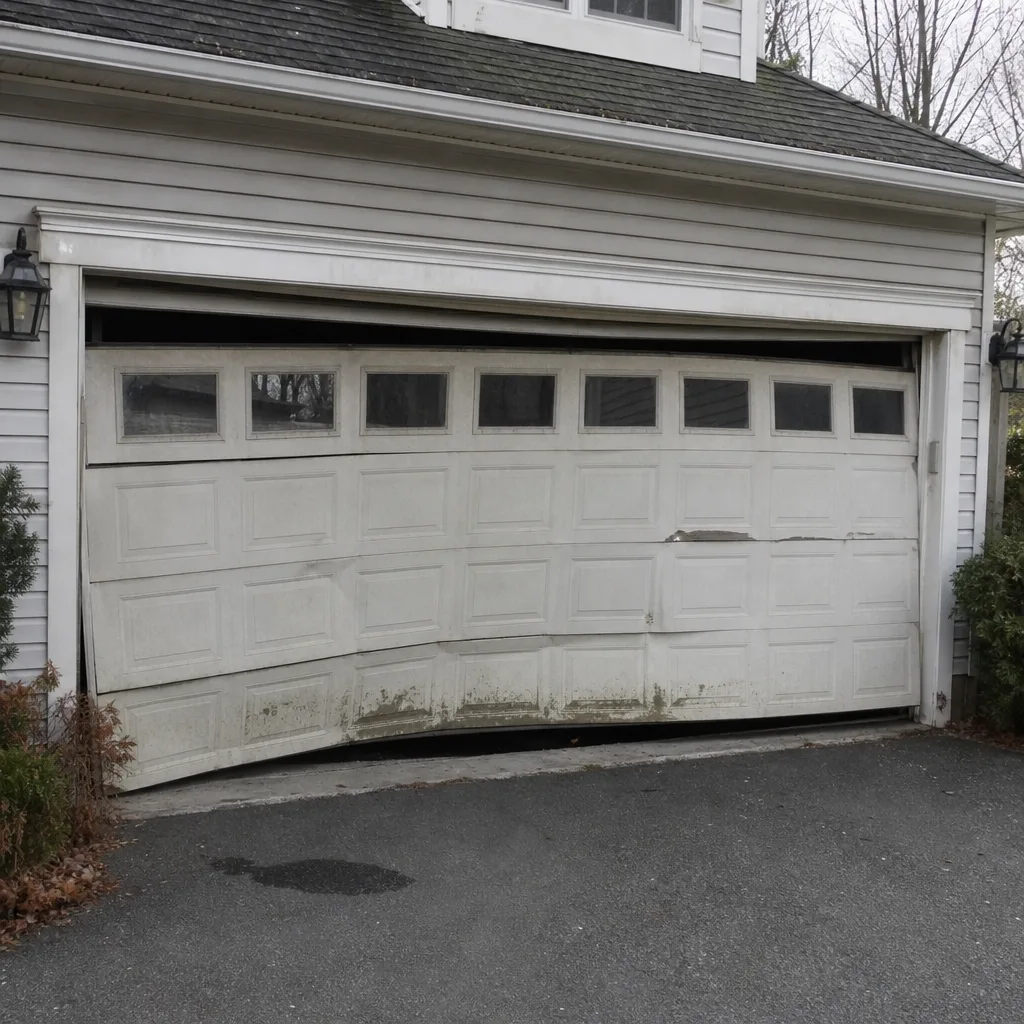 Before
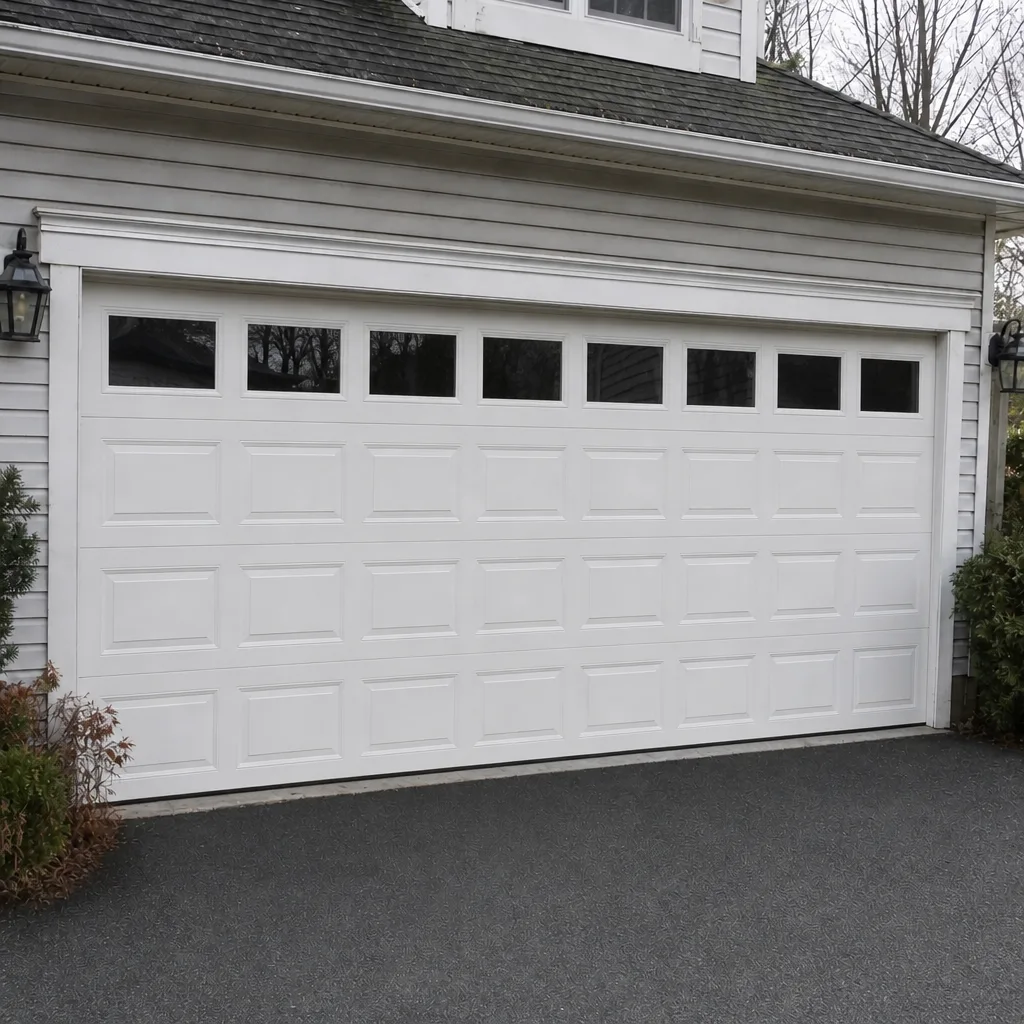 After
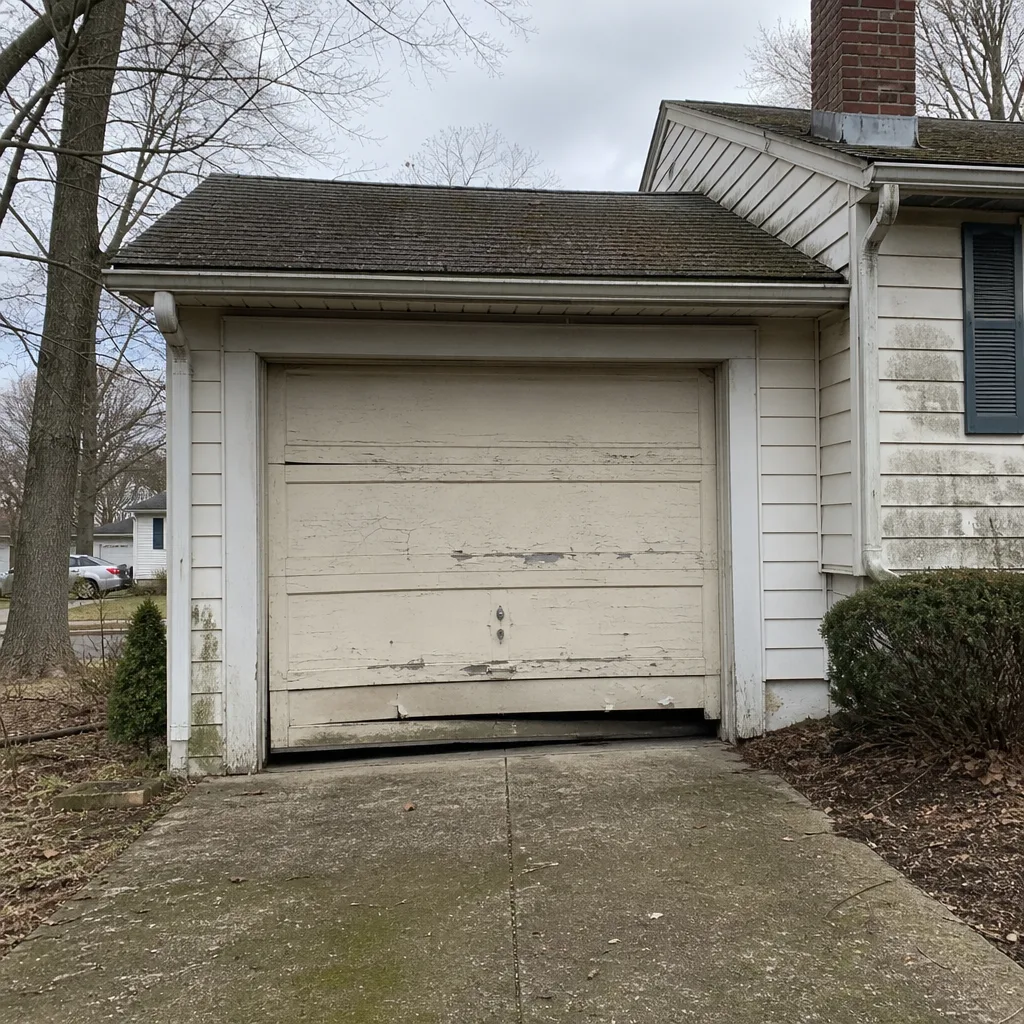 Before
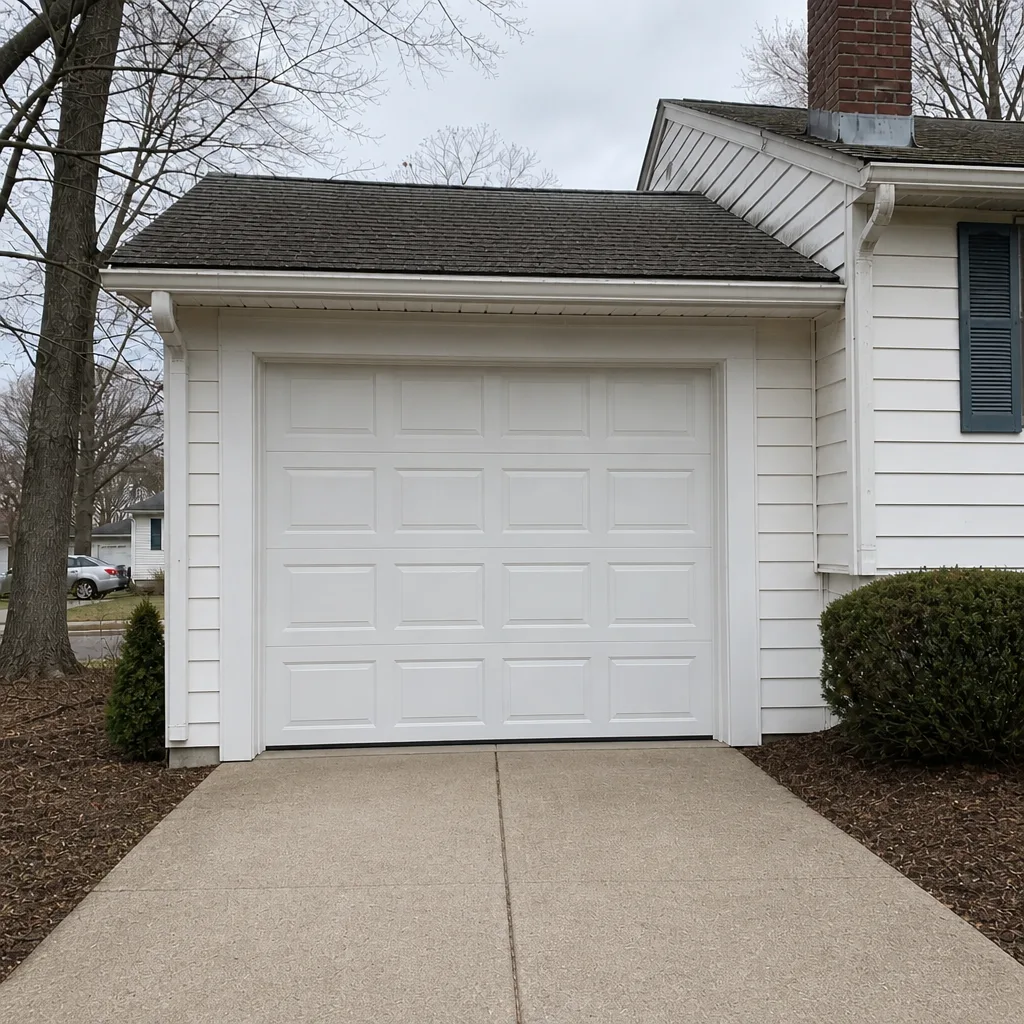 After
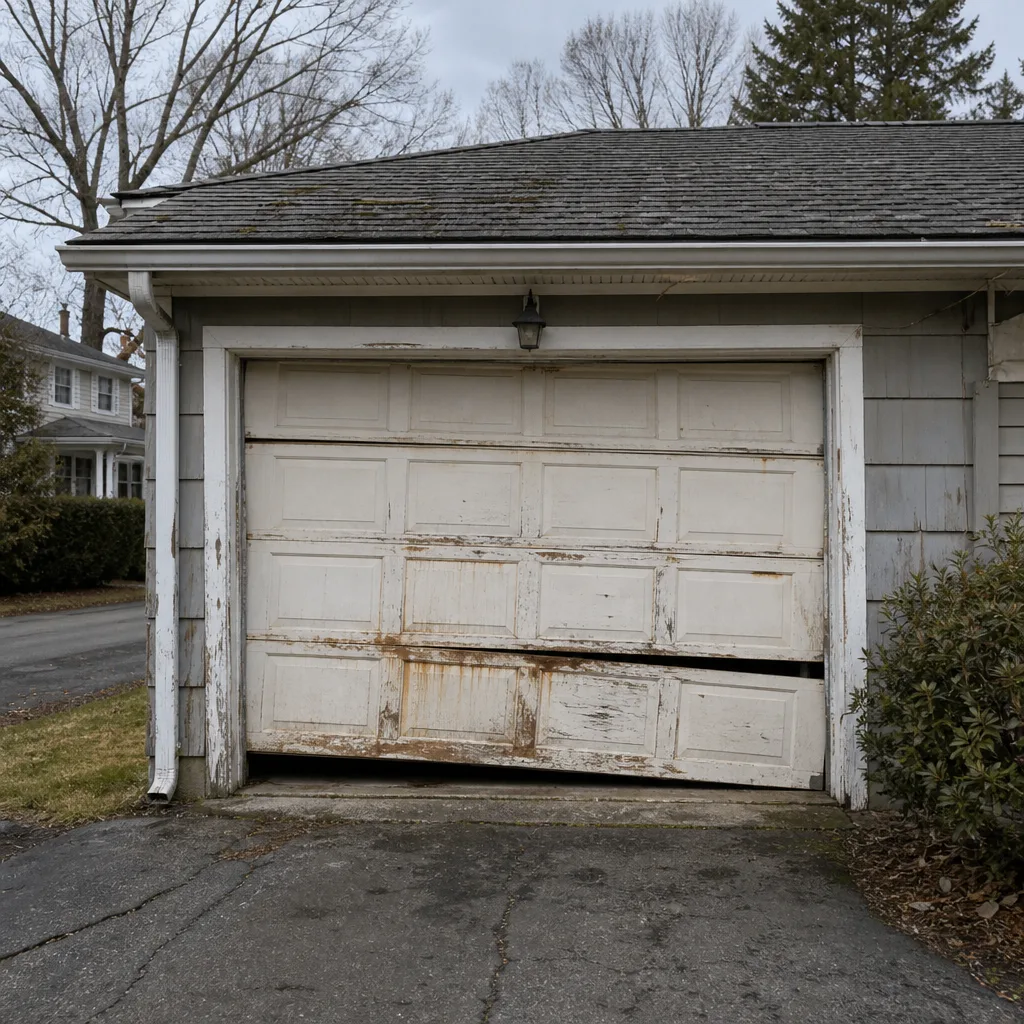 Before
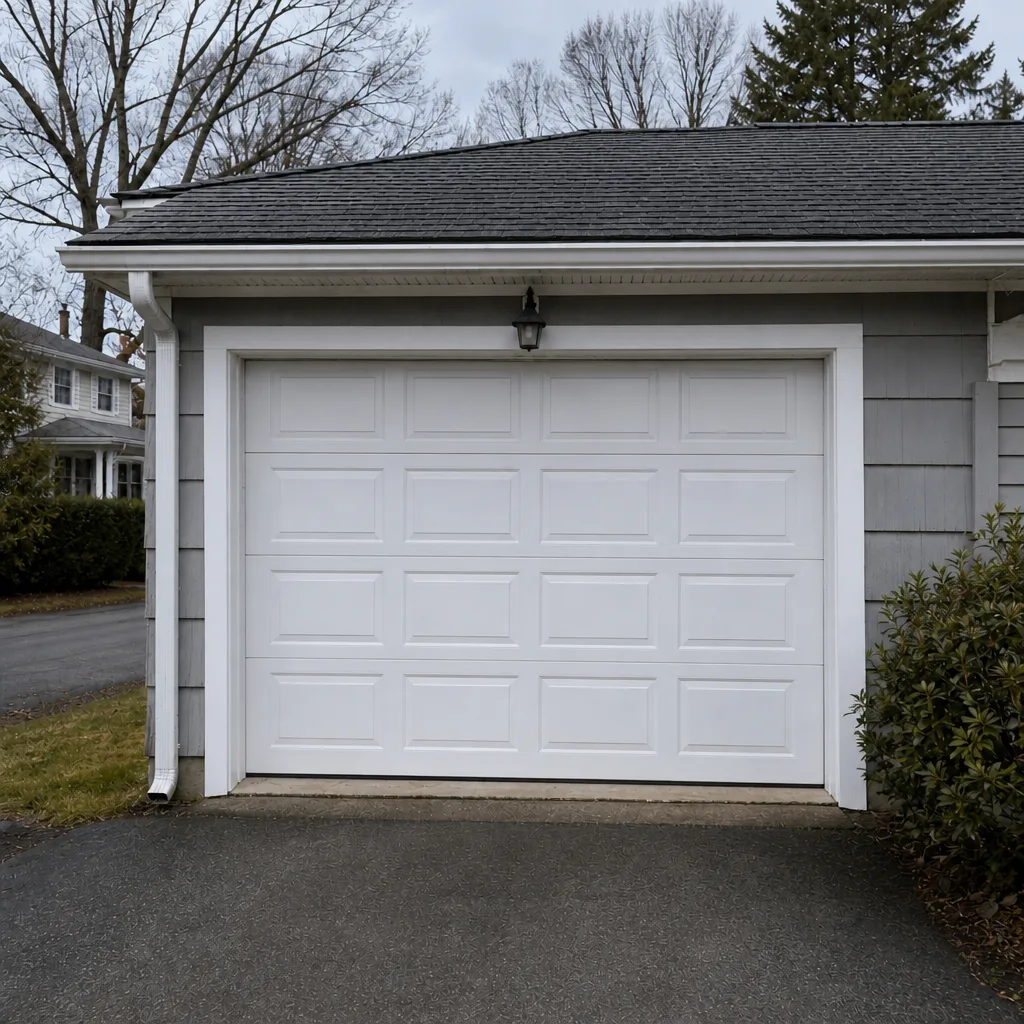 After
When to Call a Professional
Some seasonal tasks are homeowner work: cleaning the seal, lubricating the spring, checking balance, adjusting a limit screw on an opener you understand. Others are not. Call a professional when you find a frayed or kinked cable, a spring with a visible gap or stretch, a door that won’t stay balanced after a tension check, an opener that reverses for no clear reason, or any hardware that’s come loose from the header. High-tension spring and cable work is dangerous, and a door that’s out of balance puts strain on every other component. If you’re unsure whether something is a seasonal maintenance item or a repair, that’s a good time to get eyes on it. Princeton Garage Door Repair Pros offers free estimates in Princeton and works on the brand you already have, whether that’s a LiftMaster opener, a Clopay door, or a Craftsman system you inherited with the house. Call (855) 337-2012 to schedule a look.
Frequently Asked Questions
Twice a year as a baseline: once in late October before the first hard frost, and once in spring after the thaw. If you have a wood-composite door or a door that’s shown humidity-related drag, add a summer check. The seasonal calendar in this guide walks through each window.
Late winter, typically February, is when we see the most spring failures. The steel has contracted overnight in the cold and the door is being forced open, which is the highest-stress condition the spring sees all year. A balance and tension check in October is the best protection against a February break. If a spring has already snapped, call (855) 337-2012 for spring repair. We answer 24/7, and the price is set by a written estimate before any work starts.
No. Disconnect the opener with the manual release, free the seal gently with a plastic scraper, then lift the door by hand before reconnecting. Using the opener on a frozen door can bend panels and strip gears, and it’s one of the most avoidable winter repairs.
Summer humidity swells door panels, which can shift alignment slightly and make the door drag. It’s usually a limit screw adjustment on the opener, but if the misalignment is in the panels themselves, the door may need a hardware or track adjustment. On a LiftMaster or Chamberlain opener, the limit screws are straightforward; on older Craftsman or Genie systems, it helps to know the model first.
Yes. Steel doors like most Clopay models handle humidity better but still benefit from the summer alignment check. Wood-composite doors, including many Wayne Dalton doors, are more sensitive to summer swelling and need closer attention to panel alignment during Princeton’s muggy months. Both need the same fall and spring checks.
Often, yes. Repair calls, including spring and opener work, can usually be handled same-day. We answer 24/7, and fast dispatch runs from 7am to 7pm, Sunday through Friday. Call (855) 337-2012 for an exact quote.
The Bottom Line
Seasonal garage door care in Princeton isn’t one annual task, it’s four distinct windows. Fall is for preparing the seal, weatherstrip, and spring before the frost. Winter is for handling a frozen door safely and listening for cold-weather strain. Spring is for inspecting the hardware that freeze-thaw cycling loosened. Summer is for alignment and opener adjustments as the humidity swells panels. Run each window on time and you’re preventing next season’s failure instead of paying for last season’s. When something falls outside the homeowner checklist, especially spring and cable work, that’s when a trained technician should step in.
Get a Free Estimate
Whether you’ve found a frayed cable during your spring inspection or your opener is straining through another Princeton winter, we can take a look. Princeton Garage Door Repair Pros works on all eight major brands, from LiftMaster to Clopay to Raynor, and every job gets a free estimate and a written price before any work starts. Call (855) 337-2012. We answer 24/7. Fast dispatch from 7am to 7pm, Sunday through Friday.
Written by the team at Princeton Garage Door Repair Pros.