
Last updated November 22, 2026
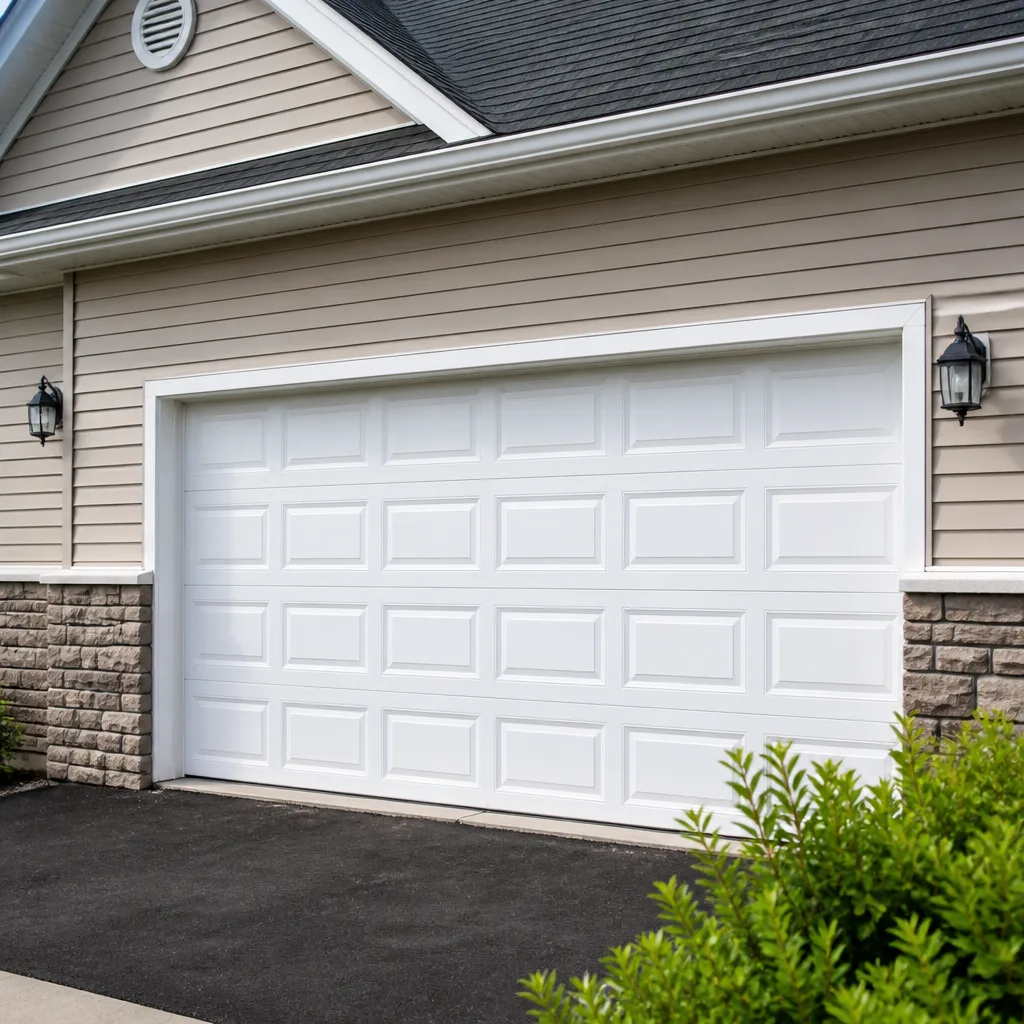 Raised-panel steel
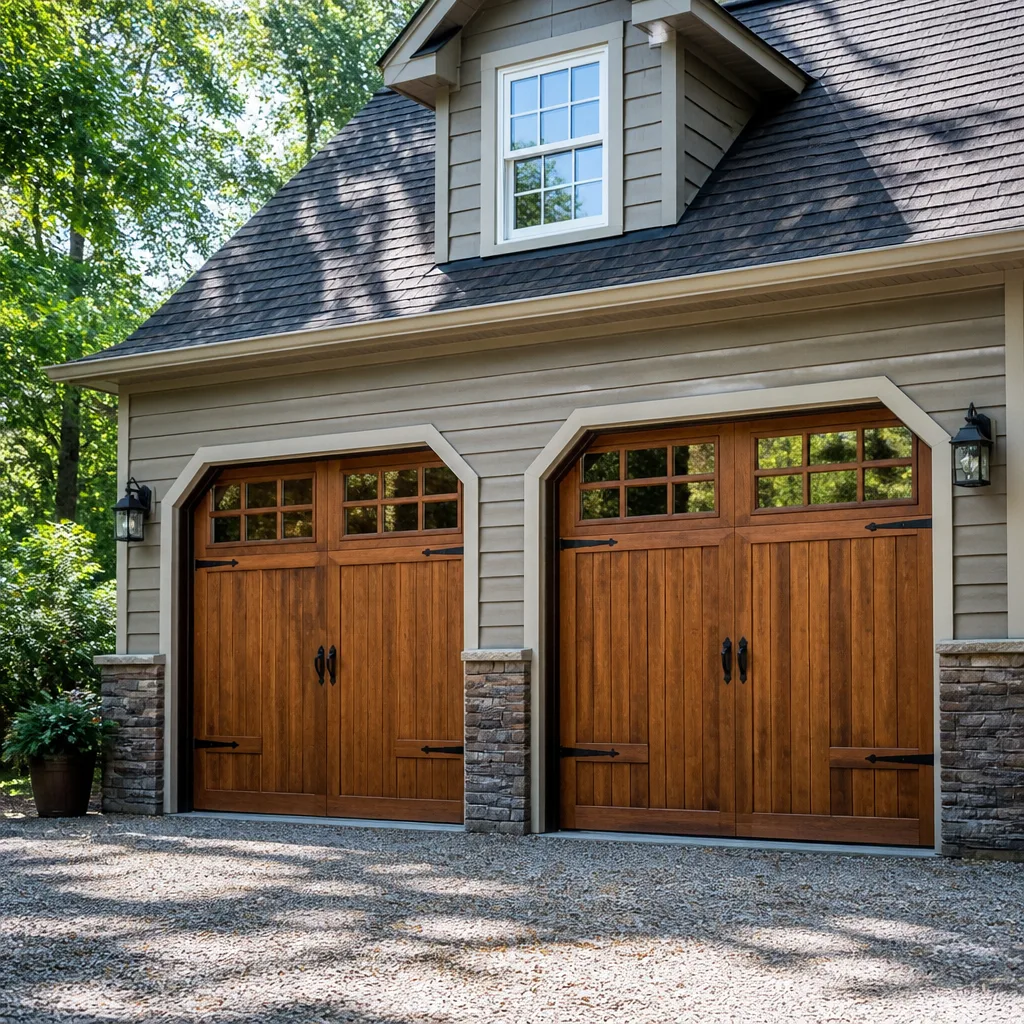 Carriage house
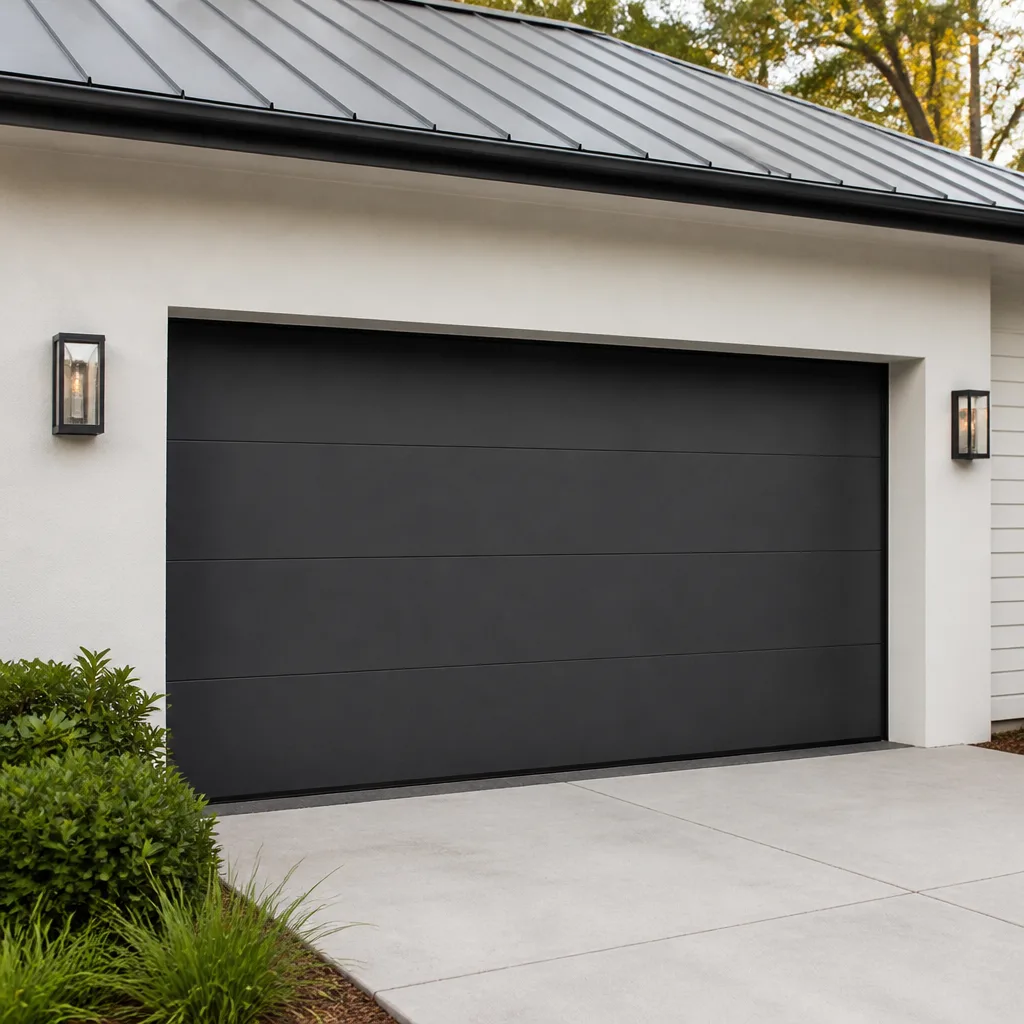 Modern flush
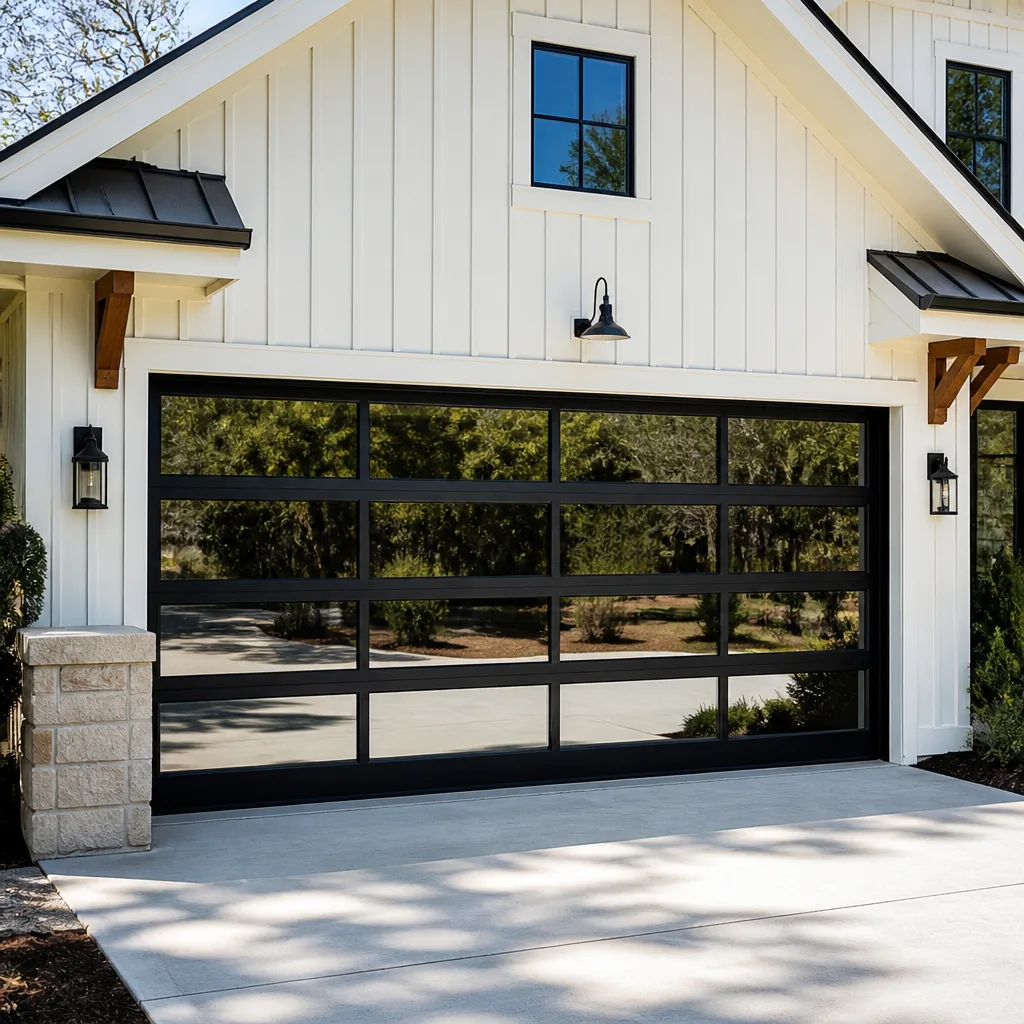 Full-view glass
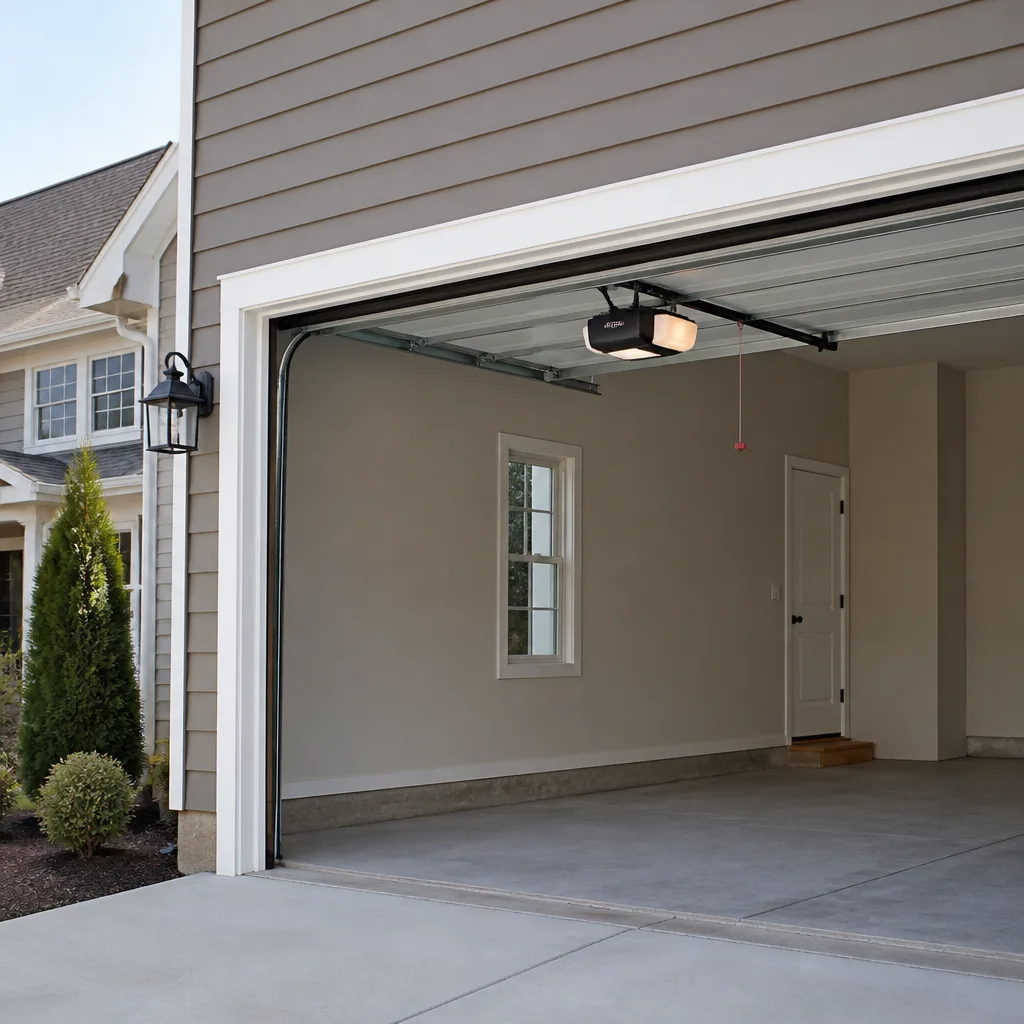 LiftMaster openers
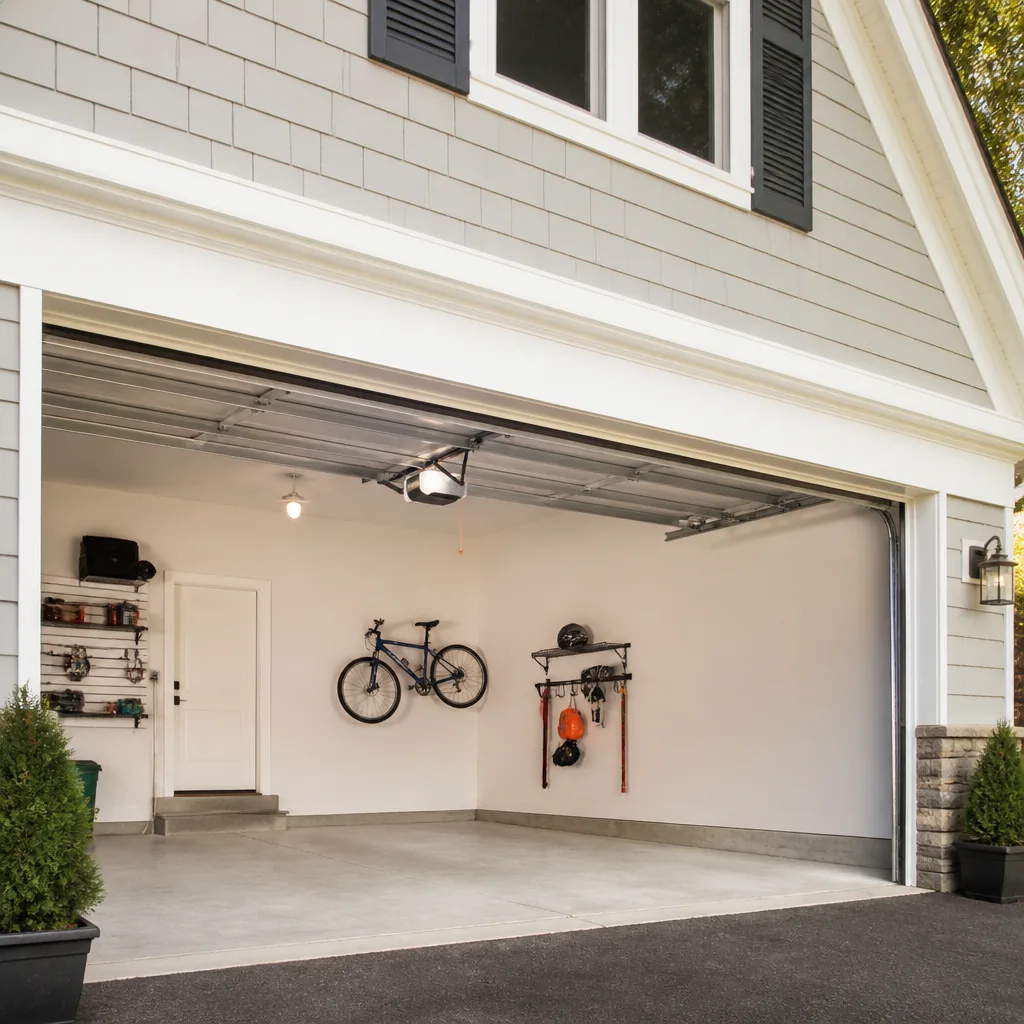 Chamberlain openers
Full 25-point door and opener safety check with every visit - springs, cables, rollers, tracks, and your LiftMaster or Chamberlain opener included
You get a price before we start. It does not change when the pro arrives.
Get your free estimateChoosing the Right Garage Door Brand: A Buyer’s Guide for Princeton
Clopay and Wayne Dalton will both happily quote you a steel door with an R-value of 12, but one uses 25-gauge steel and the other 24-gauge. In a Princeton winter, that one gauge difference in dent resistance shows up the first time a snow shovel clips the bottom panel. Brand selection isn’t about picking the most popular name on the block. It’s about matching a manufacturer’s real strengths – panel steel, spring system design, finish durability, local parts stock – to how your specific Princeton home is built and how you actually use the door. This guide walks through the spec differences that matter in Mercer County’s housing stock, which opener systems suit which garage layouts, and how to choose without getting buried in marketing.
Quick Answer
The best garage door brand for a Princeton home depends on three things: your garage’s construction (insulated vs. non-insulated, attached vs. detached, heated vs. unheated), your home’s architectural style and any HOA requirements, and how quickly you’ll need parts when something fails. Clopay and Amarr lead on insulation construction and panel choice. Wayne Dalton and Raynor suit specific applications like low-headroom garages. For openers, LiftMaster and Chamberlain dominate smart-home integration while Genie and Craftsman remain common in older Princeton homes. There is no single best brand – only the best match for your door opening, your winter, and your repair timeline.
Styles & brands we work with
- Raised-panel steel
- Carriage house
- Modern flush
- Full-view glass
- LiftMaster openers
- Chamberlain openers
Table of Contents
- Why Steel Gauge and Insulation Construction Matter More Than Brand Name
- Clopay, Amarr, Wayne Dalton, and Raynor: Side-by-Side Spec Comparison
- Choosing an Opener: LiftMaster vs. Chamberlain vs. Genie for Princeton Garages
- Parts Availability Reality Check for Princeton Homeowners
- Matching Door Brand to Princeton’s Architectural Styles
- The Brands Local Princeton Technicians Prefer to Work On
- Spring System Design: The Spec Sheet Often Leaves Out
- A Step-by-Step Buying Process for Princeton Homeowners
Why Steel Gauge and Insulation Construction Matter More Than Brand Name
When you compare garage doors by brand, the marketing language starts to sound identical. Every manufacturer advertises “insulated steel” and “rust-resistant finish.” The spec sheet is where they diverge, and in Princeton’s climate, those divergences are visible within a few winters.
Steel gauge refers to the thickness of the steel sheet. Lower gauge numbers mean thicker steel. A 24-gauge panel is heavier and more dent-resistant than a 25-gauge panel. That’s not a marketing claim – it’s basic material science, and it’s the difference between a door that survives a stray shovel blade and one that needs a panel replaced after the first snow-clearing season.
Insulation construction matters just as much. Two main types appear in residential doors:
- Polyurethane foam – injected under pressure. Higher R-value per inch, denser, heavier, and typically bonded to the steel skin so the door feels more solid and runs quieter. Usually carries a longer warranty on the insulation itself.
- Polystyrene board – rigid foam panels set inside the door frame. Lighter and less expensive, with lower R-value per inch. Panels can loosen over time in daily use.
A door rated at R-12 in polyurethane is not the same product as a door rated at R-12 in polystyrene, even if the number on the brochure matches. Look at the construction method, not just the R-value. For an attached garage on a Princeton home where the space shares a wall with living area, that difference in thermal separation shows up on your utility bill and in how cold the mudroom floor feels in January.
Finish durability is the third spec most buyers skip. A factory-applied baked-on polyester finish holds up better than a painted post-installation surface. Doors that arrive pre-finished also arrive with a warranty on the finish as a distinct item from the warranty on the structure. Ask for both on the written quote.
Clopay, Amarr, Wayne Dalton, and Raynor: Side-by-Side Spec Comparison
The four brands we compare most often for Princeton customers all make reliable product lines, but each has strengths that align with different homes. This isn’t a ranking. It’s a spec comparison for the buying decision.
Clopay is the most widely installed residential brand in North America, and its steel gauge range spans from thin builder-grade (25-gauge) up to heavier 24-gauge construction on premium lines. Insulation options run from non-insulated to full polyurethane. Finish quality on the higher lines is excellent, with factory-applied polyester systems that hold color well. The brand’s strength is huge panel variety – carriage-house, colonial, raised-panel, flush, full-view – which makes HOA compliance easy for Princeton’s architectural review requirements.
Amarr competes strongly on gauge and insulation. Many of its mid-tier lines use 24-gauge steel as standard, and its Classica and Heritage lines offer polyurethane insulation at price points where some competitors still use polystyrene. Amarr’s spring systems tend to be torsion-first, which suits Princeton homes with standard headroom. Finish quality is solid. The brand’s weakness is panel variety – fewer aesthetic options than Clopay, so it can strain a tight HOA guideline.
Wayne Dalton is the go-to for low-headroom and unusual installations. Its TorqueMaster torsion system replaces traditional torsion springs with a sealed-in-tube counterbalance, which is a real advantage in garages with limited overhead clearance or where a homeowner wants to eliminate exposed springs. That construction is a design choice, not a feature for every home – some technicians prefer traditional torsion for serviceability. Finish quality is good but slightly lighter than Clopay’s premium lines.
Raynor is the underappreciated choice in this set. It’s American-made, uses heavier steel on many standard lines, and its warranty terms on commercial-grade residential doors are strong. Availability in the Princeton area is more limited than Clopay or Amarr, which matters when a panel needs replacing – see the parts availability section below.
A key spec difference: warranty terms. Polyurethane-insulated doors usually carry a “limited lifetime” warranty on the insulation, while polystyrene doors often carry a shorter term. Section delamination, hardware coverage, and finish coverage vary significantly between brands even on similarly priced models. Read every line before you sign.
Choosing an Opener: LiftMaster vs. Chamberlain vs. Genie for Princeton Garages
The opener is the door’s brain and the part most likely to fail first. Princeton’s housing stock has distinct installation patterns, and matching opener to garage saves you a second purchase in a few years.
Three common Princeton scenarios and the brand alignment for each:
- Attached garage, Wi-Fi weak signal in the garage. The garage sits on the opposite side of the house from the router, and the phone app struggles to reach the opener. LiftMaster’s myQ system and Chamberlain’s myQ-equipped models both work well here because their hubs can be placed near the router. Genie’s Aladdin Connect is a solid alternative if you already run a mesh network. The real fix is the signal path, not the brand – our garage door opener repair techs will check Wi-Fi connectivity as part of any opener call, because a dead smart opener is often a dead Wi-Fi connection, not a dead motor.
- Detached garage with no power outlet near the opener. Old detached garages in Princeton often have one outlet at the front wall and nothing overhead. This constrains you to openers with battery backup or to running a new circuit before the install. LiftMaster’s battery-backup models are common here. Chamberlain offers similar options. Genie’s older belt-drive units are frequently seen but have fewer battery-backup choices.
- New construction or gut renovation requiring battery backup. If your build is subject to a battery-backup requirement for garage door openers (check with your local building department, as the requirement varies by jurisdiction and inspection stage), LiftMaster and Chamberlain both offer specific battery-backup models that satisfy those requirements. Genie has expanded its lineup but not to the same coverage. Confirm the model against your inspector’s checklist before install.
On reliability, in our experience the LiftMaster logic board and rail assembly hold up well through repeated daily use. Chamberlain shares much of the internals and is easier to source replacement parts for. Genie remains common in older Princeton homes, and Craftsman units from the 1990s and 2000s are still on many doors – both are serviceable with the right parts knowledge. If your opener is more than a decade old and the door is heavier than standard, replacing the opener before it fails is usually cheaper than an emergency call.
Parts Availability Reality Check for Princeton Homeowners
This is the section most buyer’s guides skip, and it’s the one that costs Princeton homeowners the most time. A door brand is only as good as its parts supply when something breaks.
Princeton-area distributor stock varies significantly by brand. Here’s the general reality our technicians have observed:
- Clopay – broadest panel availability through regional distributors. Replacement panels typically arrive within days, not weeks, for current lines. Older Clopay panel styles occasionally need special order.
- Amarr – strong stock on current lines. Panel and hardware availability is reliable. Warranty parts ship directly from the manufacturer.
- Wayne Dalton – residential panels are generally available. The TorqueMaster system is proprietary, so if it fails, you’re sourcing from Wayne Dalton or a specialist. Budget for that possibility.
- LiftMaster and Chamberlain – logic boards, safety sensors, remotes, and rail assemblies are the most widely stocked of any opener brands. This is a genuine consideration when choosing an opener: a logic board that arrives in two days beats a logic board that arrives in eight.
- Genie – current models are well stocked. Older models (pre-2010) can require a week or more for specialty parts.
- Raynor – less distributor stock directly in the Princeton area. Panels and internal parts may require longer lead times than Clopay or Amarr.
The takeaway for a new purchase: if fast repair turnaround after a panel dent or spring failure matters to you, weigh brand spec against brand parts availability. For most Princeton homeowners, that trade-off favors Clopay or Amarr on doors and LiftMaster or Chamberlain on openers. But if your HOA requires a specific panel style or your garage has unusual dimensions, spec may need to win – just know the parts wait time upfront.
Matching Door Brand to Princeton’s Architectural Styles
Aesthetics aren’t decoration in Princeton. Many local homes sit in neighborhoods with architectural review or HOA guidelines, and a door style that clashes with the streetscape can get bounced back in review. The good news: every major brand offers colonial-panel and carriage-house options that fit the dominant styles.
Start with the door style the house already needs, then narrow the brand.
- Identify the architectural style. Princeton’s housing stock runs from colonial revival and Federal through Victorian, with a long tradition of carriage-house style on newer construction and renovations. Each calls for a specific panel pattern – raised colonial panels for the traditional homes, carriage-house panel-and-barn-door patterns for the newer builds, flush or full-view for modern renovations.
- Check HOA or architectural review requirements. Many Princeton neighborhoods and associations have rules about panel type, color, window placement, and material. A carriage-house door is often explicitly required – and sometimes a specific manufacturer’s pattern is preferred because it was the original spec on the development.
- Match the brand to the pattern. Clopay has the deepest carriage-house and colonial panel catalogue. Amarr’s Classica line offers a strong carriage-house option with fewer sizes. Wayne Dalton’s aesthetics lean traditional; Raynor’s carriages are limited. If the HOA fires back a specific pattern, the brand may already be selected.
- Confirm finish against the house’s trim. Factory-finish colors are more durable than post-painted. If you’re matching a specific trim color, get the sample swatch before ordering – a discrepancy shows on the front of the house.
On window placement: two-panel with upper windows is the safe colonial choice, four-window for larger bays, and no windows for a cleaner, more modern look. Avoid mixing panel styles across a facade unless the HOA specifically requires it.
The Brands Local Princeton Technicians Prefer to Work On
Ask a garage door technician which brands they like best and you’ll get a practical answer, not a marketing answer. The preference usually reflects three things: ease of service, parts availability, and whether the brand’s design creates problems over time.
For doors, the preference among our technicians runs toward Clopay and Amarr – not because we’re paid to say so, but because they service cleanly, the parts are stocked locally, and the spring systems are predictable. Wayne Dalton’s TorqueMaster is popular on some installs, but it’s a distinct service proposition that requires specific knowledge – welcome in our case, and one reason we cover the brand. Raynor’s heavier steel is respected, though the parts wait time can frustrate a homeowner with a dented panel.
For openers, LiftMaster and Chamberlain dominate technician preference for the same parts-availability reason. Genie is fine – it’s simply a legacy system in many Princeton garages, with the parts wait times that entails. Craftsman is essentially a Genie or Chamberlain platform from the retail side, and our techs handle it regularly.
What this means for your buying decision: a “popular brand” isn’t automatically the best brand for you. But a brand with strong parts availability and an established technician base is more likely to be serviced well locally, especially during a garage door spring repair when a broken door needs a quick turnaround. Our technicians have up to 14 years of experience working across this whole brand landscape, and the parts-and-service story we see in Princeton homes matches what we’re describing here.
Spring System Design: The Spec Sheet Often Leaves Out
One of the most important specs on a new door isn’t printed on the brochure: the spring system. This is the mechanism that counterbalances the door’s weight, and it decides how the door feels, how long it lasts, and how safe your repair and maintenance cycle will be.
Two systems dominate:
- Torsion springs – mounted on a shaft above the door. Run in pairs, so a matched pair is usually replaced together, and the cost of a pair runs about twice the single-spring figure. Torsion is the standard design on most residential doors and the system our techs work on most often. Requires proper tooling and tension management.
- Extension springs – mounted on either side of the door. Common on older and lighter doors. Simpler to fit, but with different failure characteristics and a shorter typical lifespan.
Wayne Dalton’s TorqueMaster is a third option worth understanding. It seals the springs inside a tube mounted above the door, which is a real advantage in a garage where exposed springs are a hazard or where headroom is tight. It’s also proprietary, so service means either Wayne Dalton parts or a specialist who knows the system.
Safety matters here more than anywhere else on the door. High-tension springs under load can cause serious injury if handled without the correct winding bars, tension procedures, and physical handling. We covered the repair side of this at garage door spring repair, and the same rule applies to choosing a door: ask what the spring system is, how it’s rated for the door’s weight, and whether parts are available locally. A heavy door on a badly rated spring set is a failure waiting to happen – and repairing it is a professional job, not a DIY one.
A Step-by-Step Buying Process for Princeton Homeowners
Here’s how we walk a Princeton homeowner through a door and opener purchase, from measure to install.
- Measure the opening and headroom. Width, height, and headroom above the door determine which brands and lines will even fit. Low headroom points toward Wayne Dalton’s TorqueMaster or a low-clearance torsion setup.
- Confirm HOA and architectural review requirements. Get the written requirements before you fall in love with a panel style. Many Princeton neighborhoods have specific carriage-house or colonial requirements.
- Choose the door spec, not the brand first. Decide gauge, insulation type (polyurethane vs. polystyrene), finish, and panel style. Then filter brands down to those that meet each spec.
- Choose the opener for your garage, not for the brochure. Match Wi-Fi signal, outlet placement, and any battery-backup requirement to a specific opener model. Confirm the model against the inspector’s requirements if you’re in new construction.
- Check parts availability before you commit. Ask which local distributors stock the panels and springs for the door you’ve chosen. This is the most-skipped step and the one that matters most on a repair.
- Get a written measure and price. Free estimate, quoted price, agreed before any work starts. The written estimate sets the final price.
- Schedule installation around the seasonal weather. Princeton winters make a working garage door a daily necessity. Spring and fall installs let the hardware settle before heavy-use season.
For existing doors, the repair question comes before the replacement question. Our garage door repair team handles panel, hardware, track, and roller work on all the brands mentioned here. If the existing door is more than a decade old and the spring, cables, and opener are all due for replacement, a new door plus opener sometimes costs less across the next five years. We’ll tell you when that’s the case – not the other way around.
Common Mistakes to Avoid
- Buying on brand name alone. A popular brand’s entry-level line can use thinner steel and polystyrene insulation than a less-known brand’s mid-tier model at the same price. Compare spec by spec, not nameplate to nameplate.
- Assuming R-value tells you everything about insulation. Polyurethane and polystyrene at the same R-value behave differently in service, in noise, and in warranty terms. Ask for the insulation construction, not just the number.
- Skipping the HOA check. Princeton’s older neighborhoods and newer developments both have architectural review requirements. Ordering the wrong panel style means a rejected install and a second purchase.
- Ignoring parts availability. A brand with no local distributor stock means a week-long wait for a panel or spring on a Princeton repair. Check local availability before you buy.
- Mismatching the opener to the garage layout. A smart opener in a dead-Wi-Fi detached garage, or a battery-dependent model without a nearby outlet, both mean a re-install. Match the opener to the space.
- Trusting a cheap spring replacement to save money. Unrated springs on a heavier door fail faster and fail dangerously. The spring is a safety-critical part, not a budget line.
- Buying a full new door when a repair will do. Panel dents and worn rollers are repairable. A full replacement should be the answer to age, structural failure, or a spec upgrade – not a single dented section.
See the difference
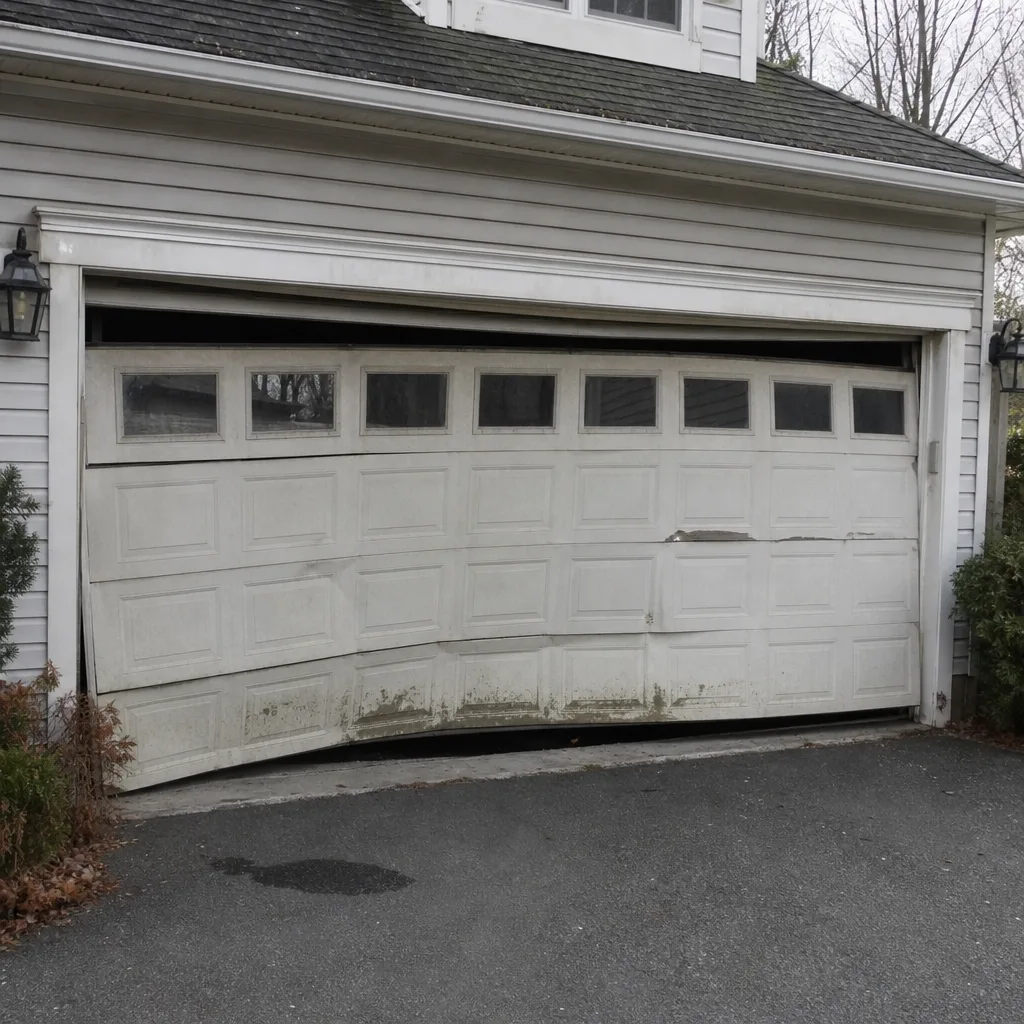 Before
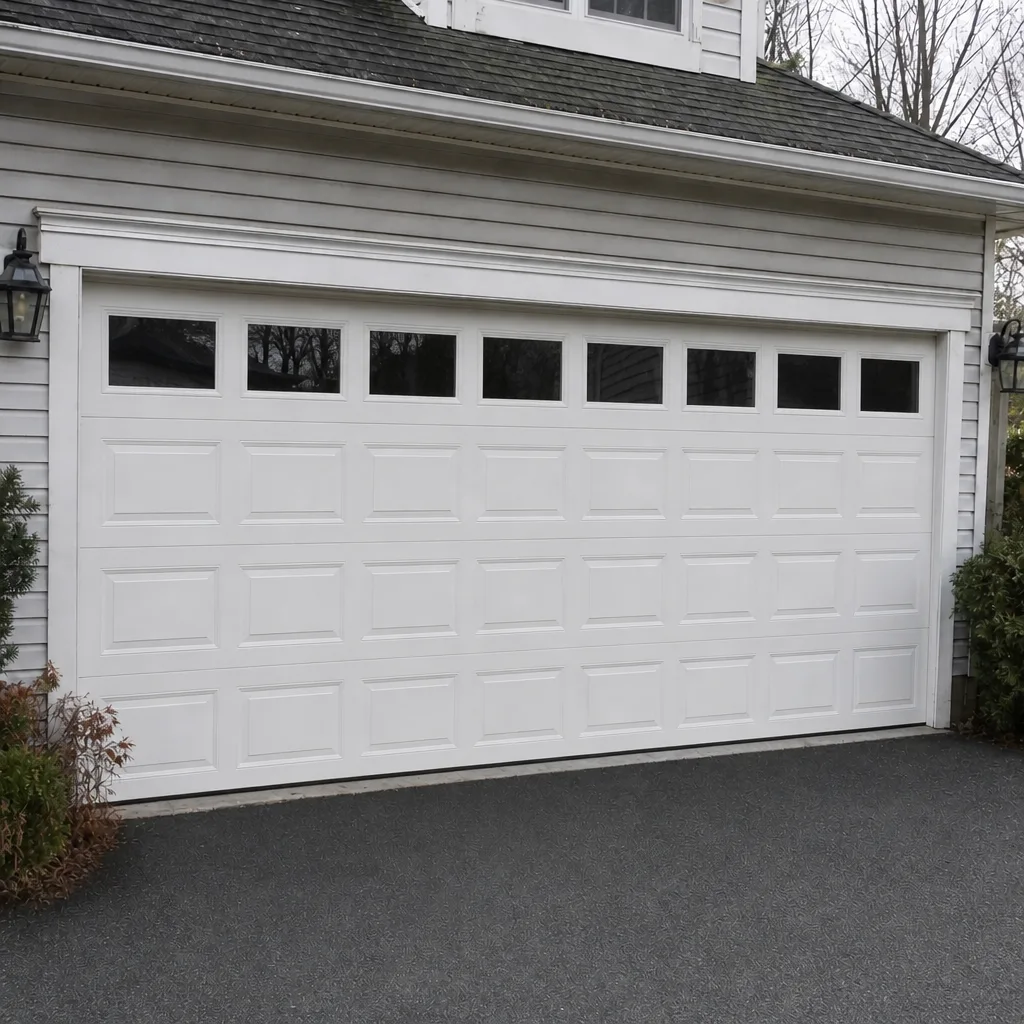 After
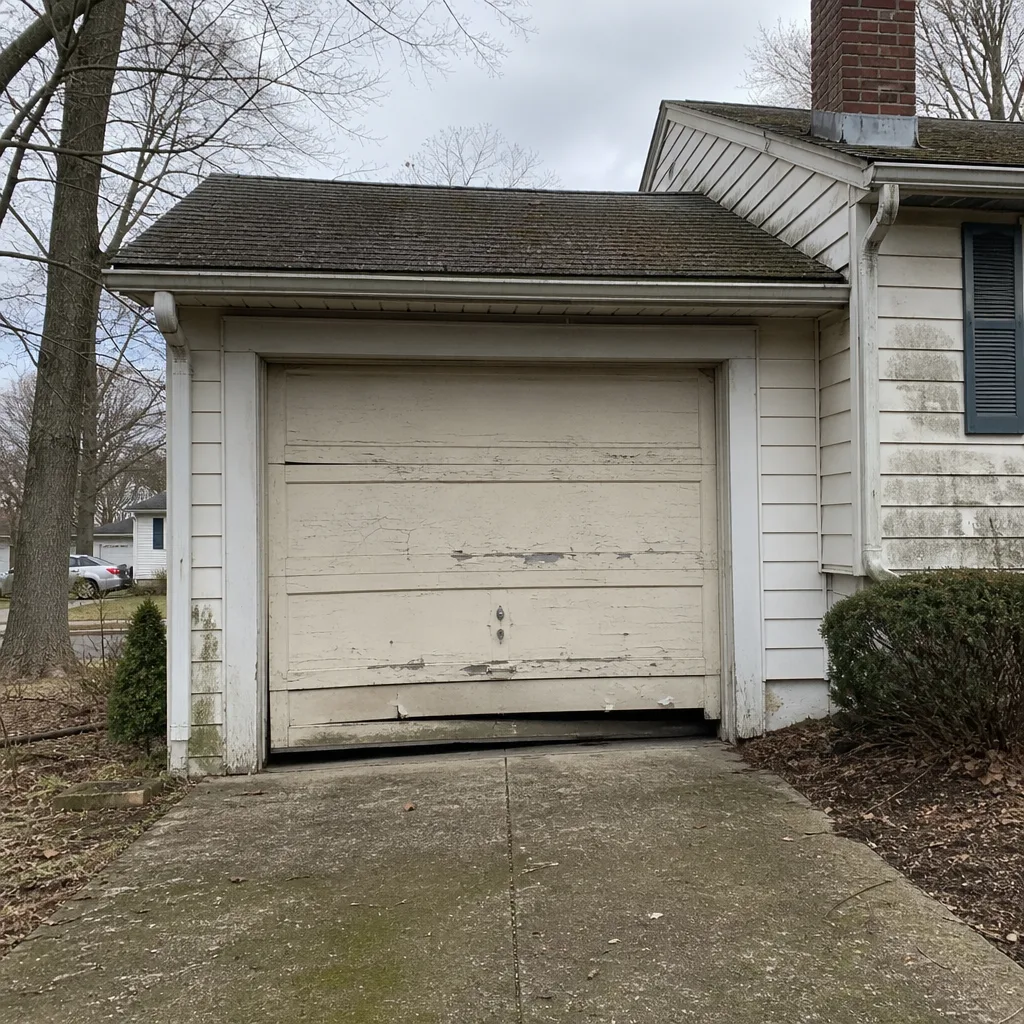 Before
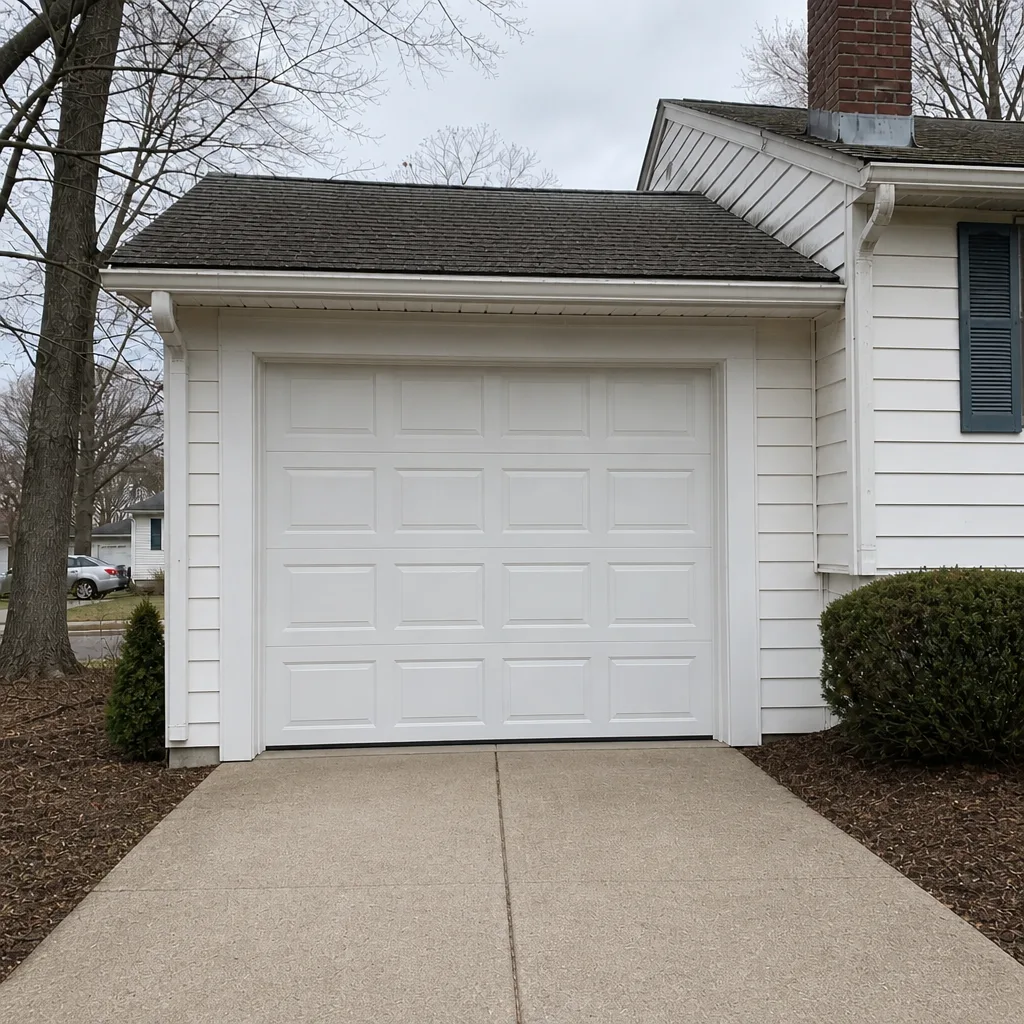 After
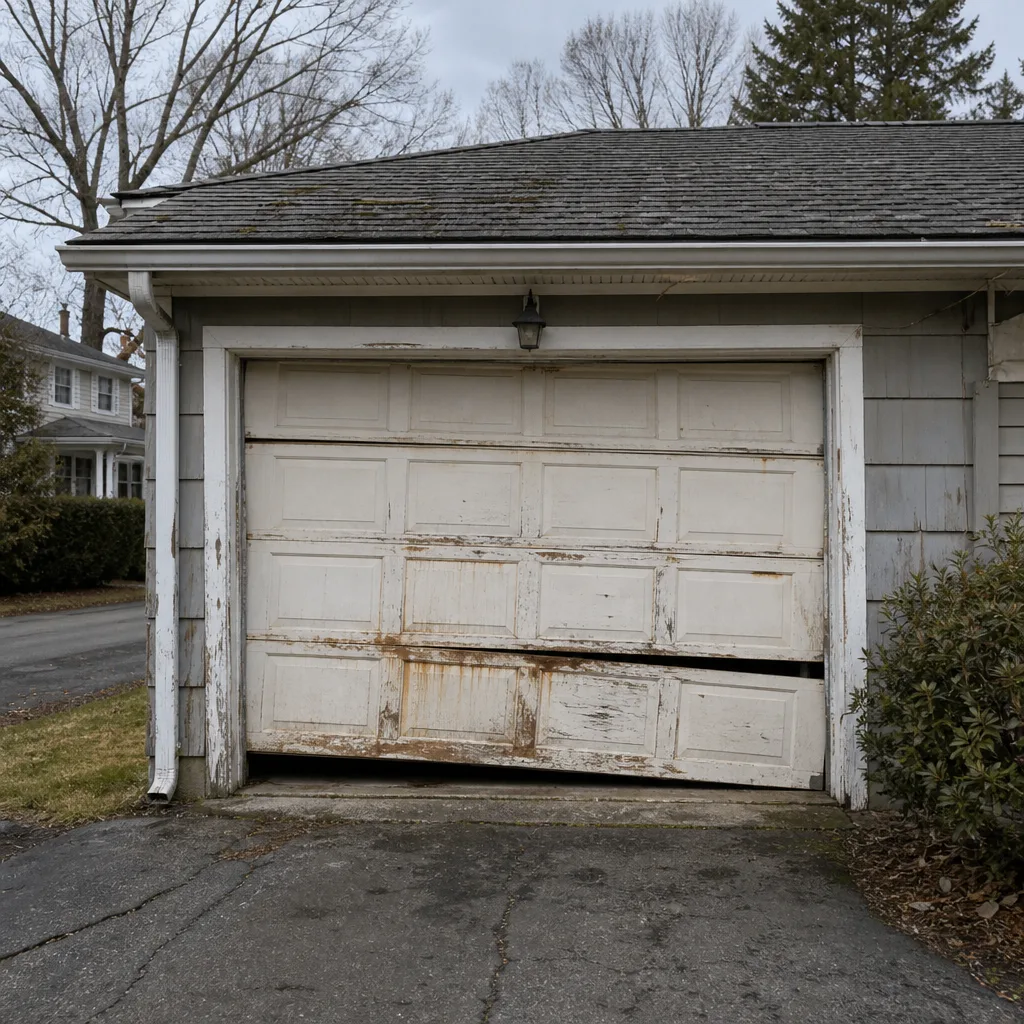 Before
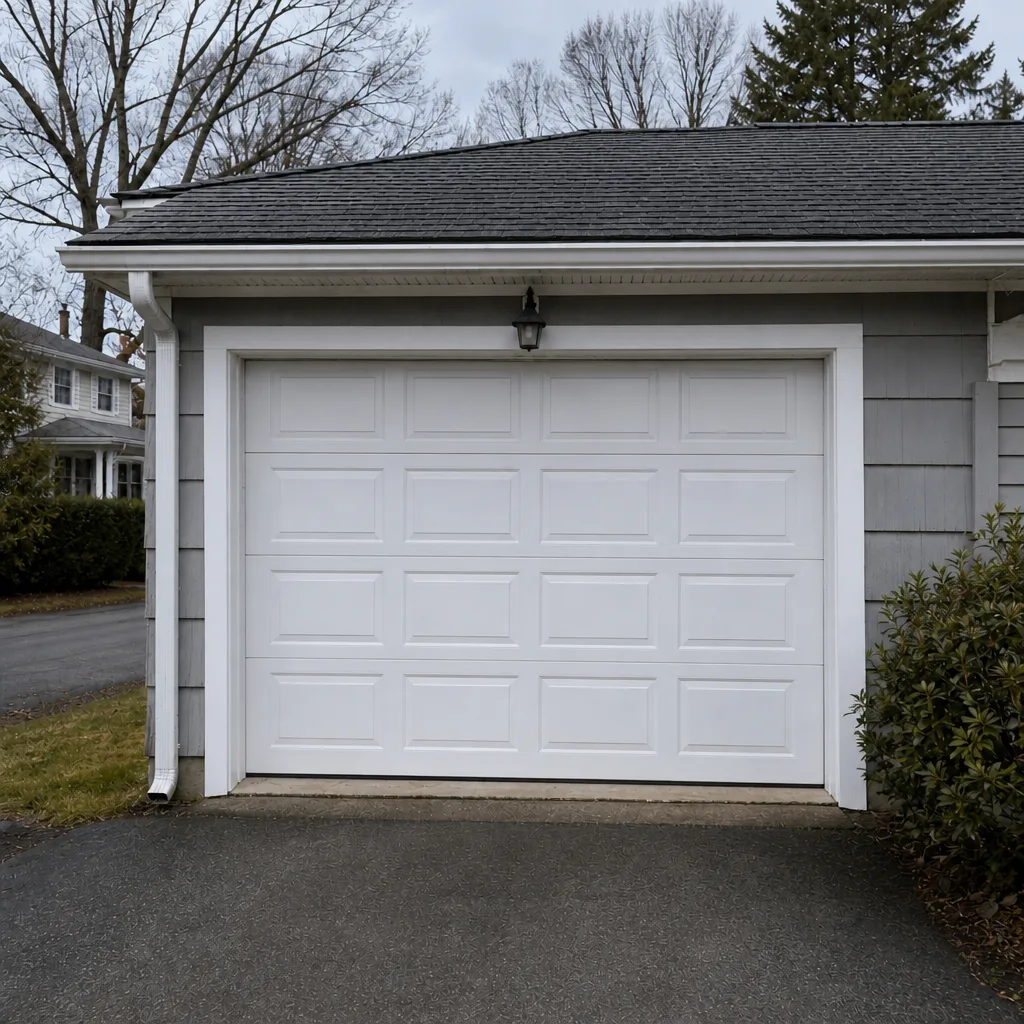 After
When to Call a Professional
If the door is stuck open, stuck shut when you need to leave, or the spring has visibly snapped, that’s the moment to call. Spring work is genuinely dangerous – high-tension springs can cause serious injury if handled without proper tooling and tension procedures – and any door tech will tell you the same. If the opener has stopped responding and the safety sensors are clearly aligned, that’s a diagnostic call rather than a repair you can safely push through. If you’re buying a new door and need a measure, a written estimate, and a brand recommendation matched to your Princeton home, that’s a free estimate. Princeton Garage Door Repair Pros offers free estimates in Princeton – call (855) 337-2012. We answer 24/7. Fast dispatch from 7am to 7pm, Sunday through Friday. Our technicians have up to 14 years of experience across all eight of the brands covered here, and we handle diagnosis, parts, and installation without subcontracting any part of the job.
Frequently Asked Questions
Clopay and Amarr are the two brands we most often recommend for Princeton homes, because they combine solid steel gauge and insulation construction with strong local parts availability. Wayne Dalton suits low-headroom garages and TorqueMaster installs. Raynor is a strong product with a longer parts wait time. The right answer is the brand that matches your opening, your style requirements, and your repair timeline – not a single universal pick. Call (855) 337-2012 for a free measure and quoted estimate on a specific door.
LiftMaster and Chamberlain share much of their internal design and both are excellent for Princeton homes, so the choice usually comes down to which model fits your Wi-Fi situation and any battery-backup requirement. Chamberlain tends to edge out on parts sourcing speed; LiftMaster tends to edge out on premium feature integration. Genie and Craftsman remain common in older homes and are fully serviceable. Our opener techs cover all four, so we can talk through your specific garage. Call (855) 337-2012 for a free estimate on opener replacement.
Most manufacturers don’t print the steel gauge on the door itself, but the model number and spec sheet from the manufacturer will list it. If you have the model number from the original install paperwork or a sticker on the door frame, we can look up the gauge and insulation construction. Lower numbers mean thicker steel – 24-gauge is more dent-resistant than 25-gauge, which matters in a Princeton winter. Call (855) 337-2012 and we’ll help you identify the spec.
Yes – all the major brands offer carriage-house panel styles, and Clopay has the deepest catalogue in this group. Get the HOA requirements in writing first, including any specific panel pattern and color, then match the brand to the pattern. Most Princeton HOA and architectural review boards have a list of approved panel styles. Call (855) 337-2012 for a free measure and we’ll help you match the door spec to your HOA requirements.
Clopay and Amarr panels generally arrive within days for current lines, and older or specialty styles may need longer. Wayne Dalton residential panels usually arrive within a normal turnaround, but TorqueMaster parts are proprietary and can take longer. Raynor panels may require a week or more due to limited local distributor stock. Parts availability is one of the most important spec considerations when buying a new door. Call (855) 337-2012 for a parts availability check before you commit.
It’s often the better sequence when the door is more than a decade old, the opener is original equipment, and the springs are past their service life. A single measure and install covers both, and the new opener can be spec’d to the new door’s weight. If only the door or only the opener is due, replacement of just that part is fine. We’ll tell you which is the better call for your Princeton home. Call (855) 337-2012 for a free estimate.
The Bottom Line
Brand selection for a garage door is a spec decision before it’s a brand decision. Steel gauge, insulation construction, finish durability, spring system design, and local parts availability are the criteria that actually matter in Princeton’s climate and housing stock. Clopay and Amarr lead on the door side for most homes. LiftMaster and Chamberlain lead on openers. Wayne Dalton is the right answer for low-headroom garages and TorqueMaster installs. Raynor is a strong product with a longer parts wait. Whatever brand you choose, get a written measure and a quoted price, check the HOA requirements before you order, and match the opener to your garage’s Wi-Fi and outlet reality. Our technicians have up to 14 years of experience across all eight brands covered here, and we service the brand you already have as readily as we install a new one. From a grinding opener to a full new door, at Princeton Garage Door Repair Pros we handle diagnosis, parts, and installation without subcontracting any part of the job.
Contact
Every door brand has a right fit for a Princeton home, and getting it right the first time saves the cost of a second purchase. Whether you’re replacing an old door, matching a new opener to a detached garage, or deciding between a panel repair and a full install, we can walk you through the spec differences in plain language. Our estimates are free, and the quoted price is agreed before any work starts. Call (855) 337-2012 for a free estimate. We answer 24/7. Fast dispatch from 7am to 7pm, Sunday through Friday.
Written by the team at Princeton Garage Door Repair Pros.