
Last updated November 22, 2026
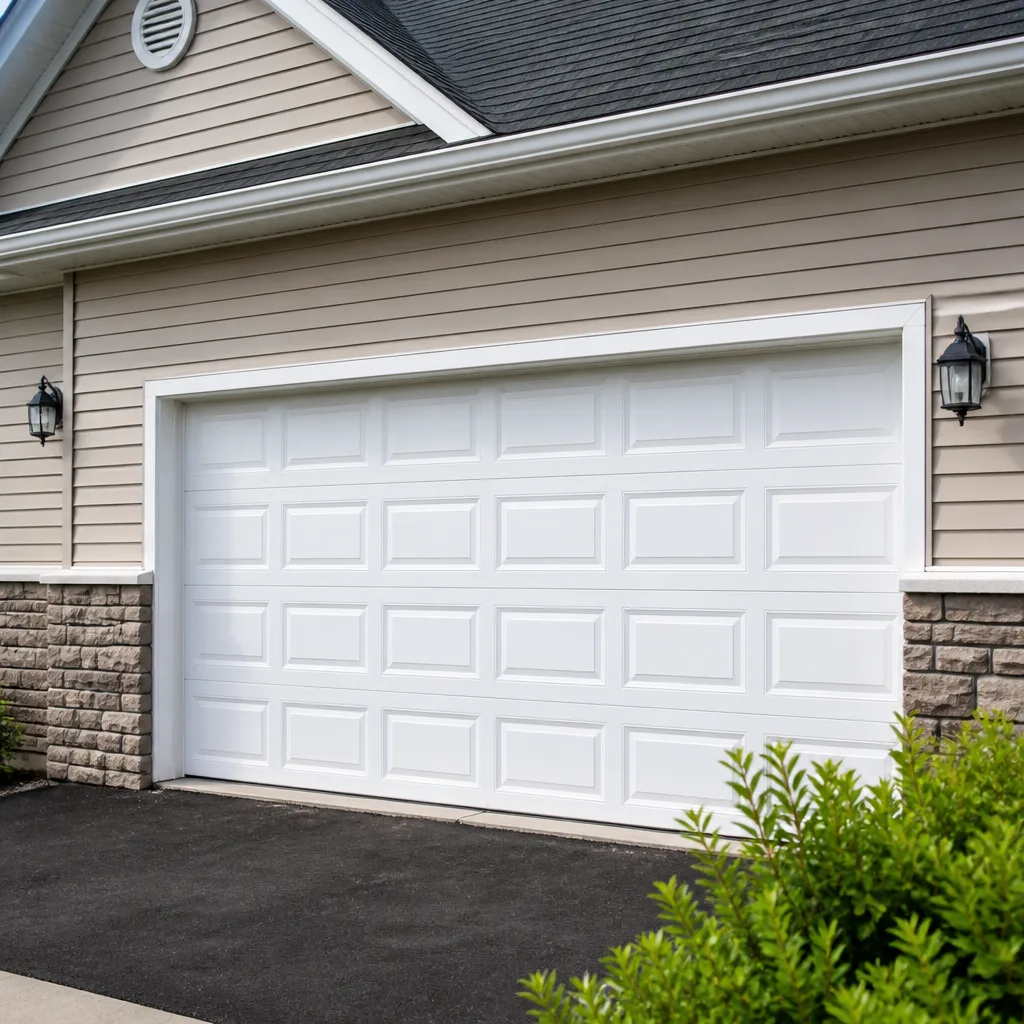 Raised-panel steel
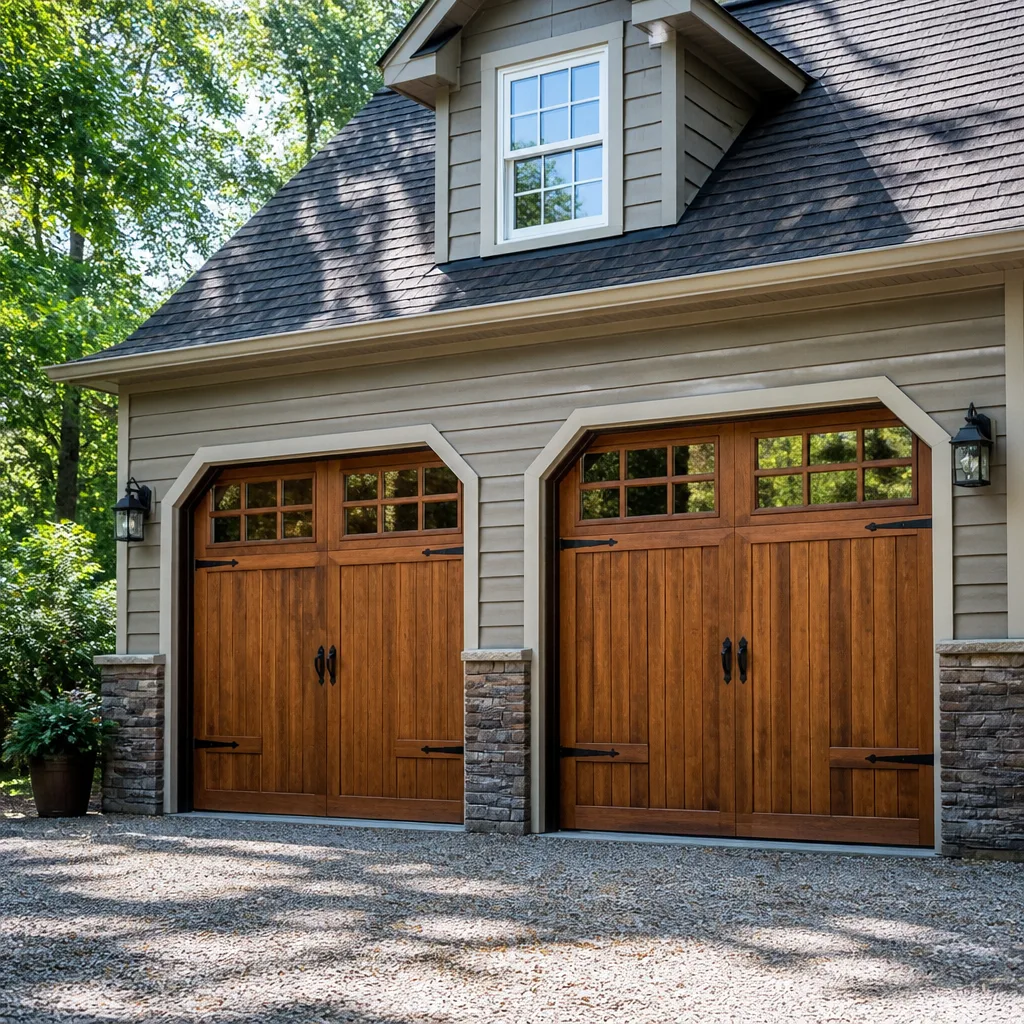 Carriage house
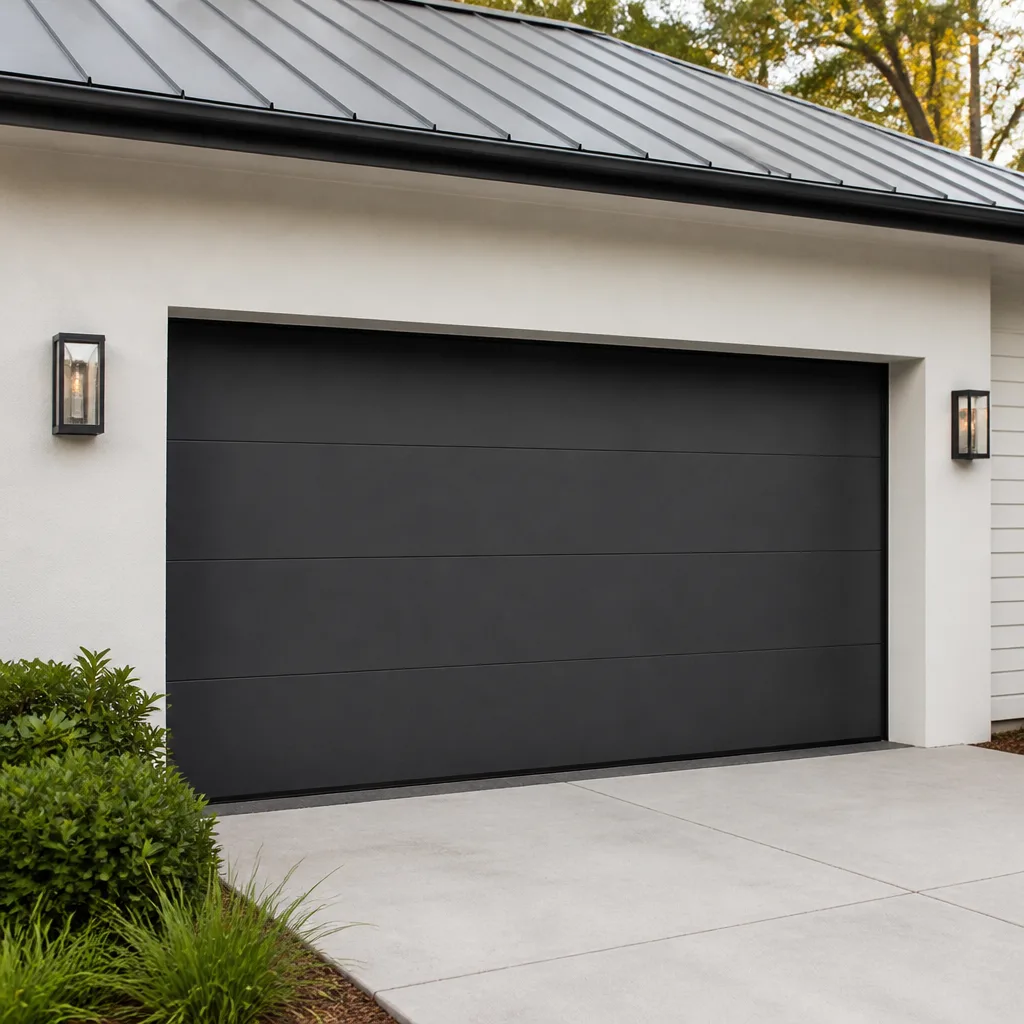 Modern flush
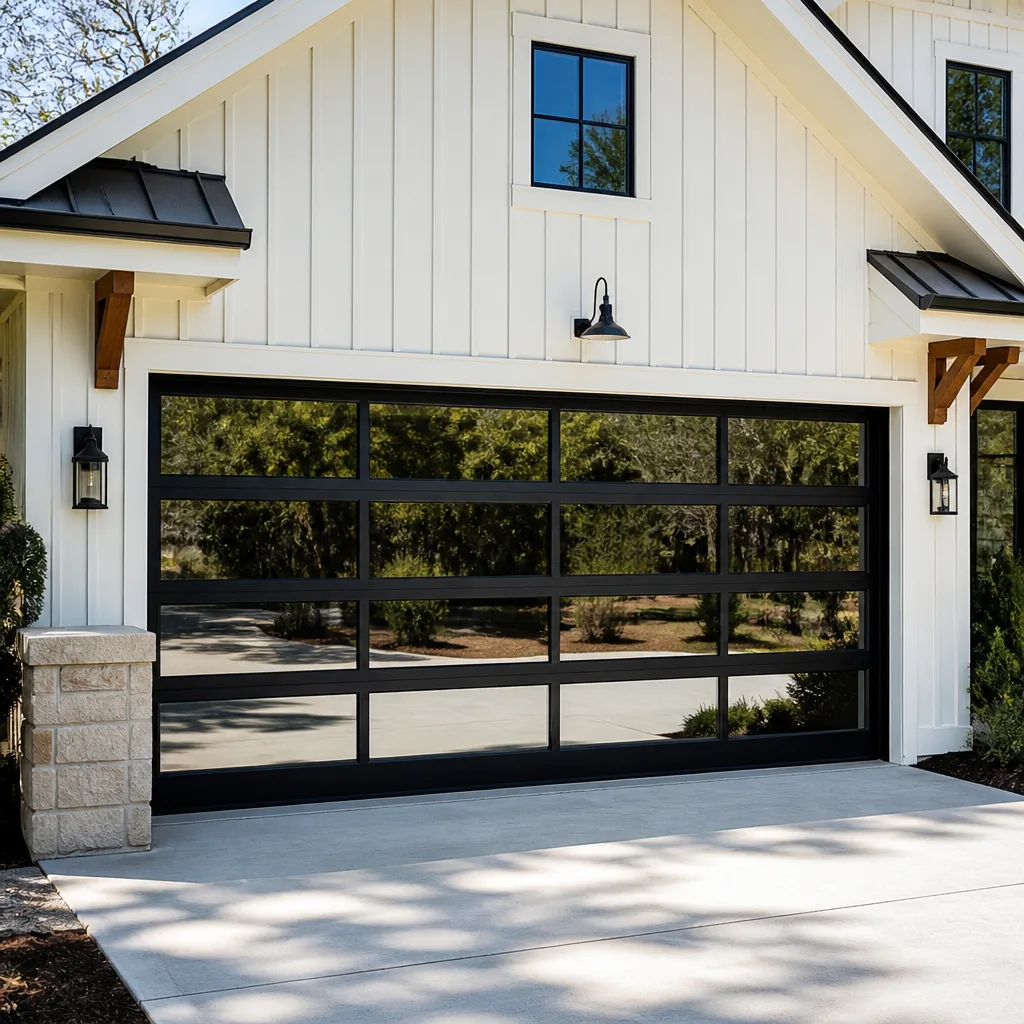 Full-view glass
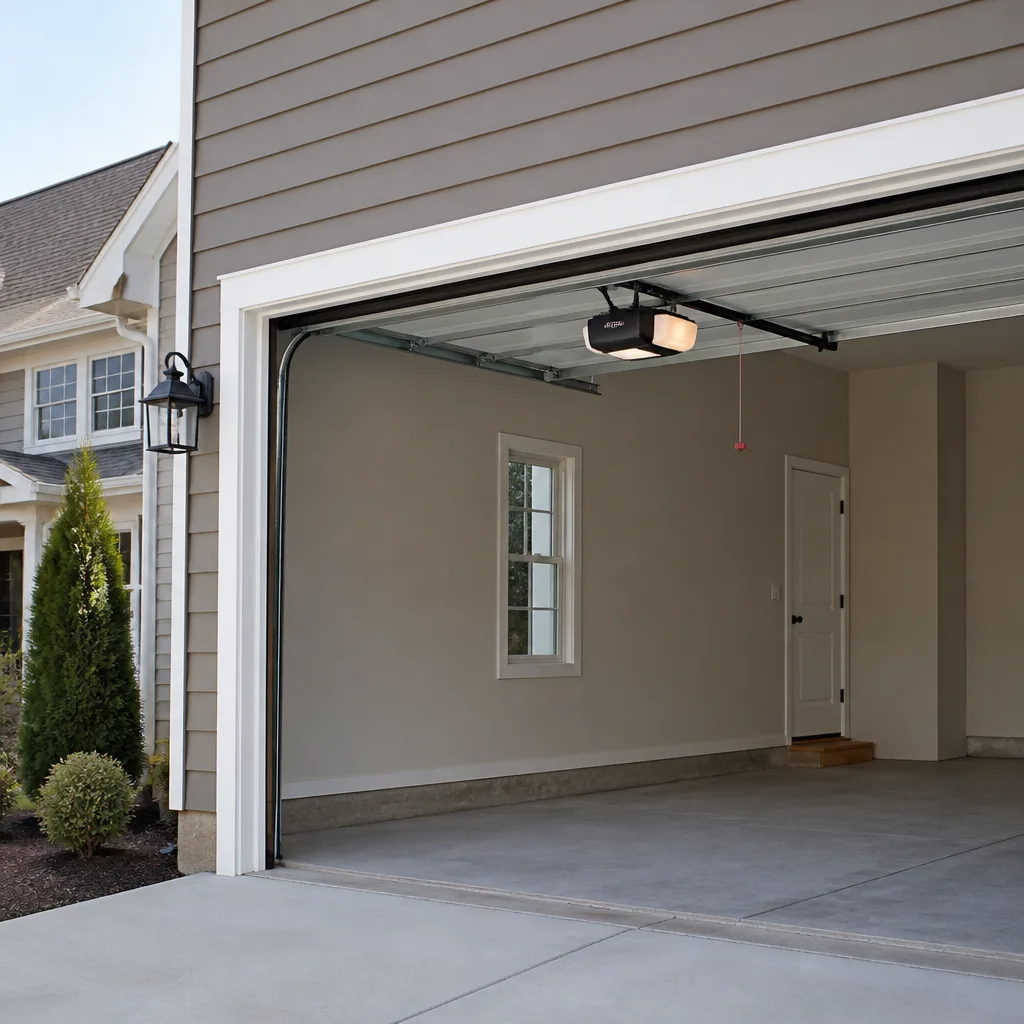 LiftMaster openers
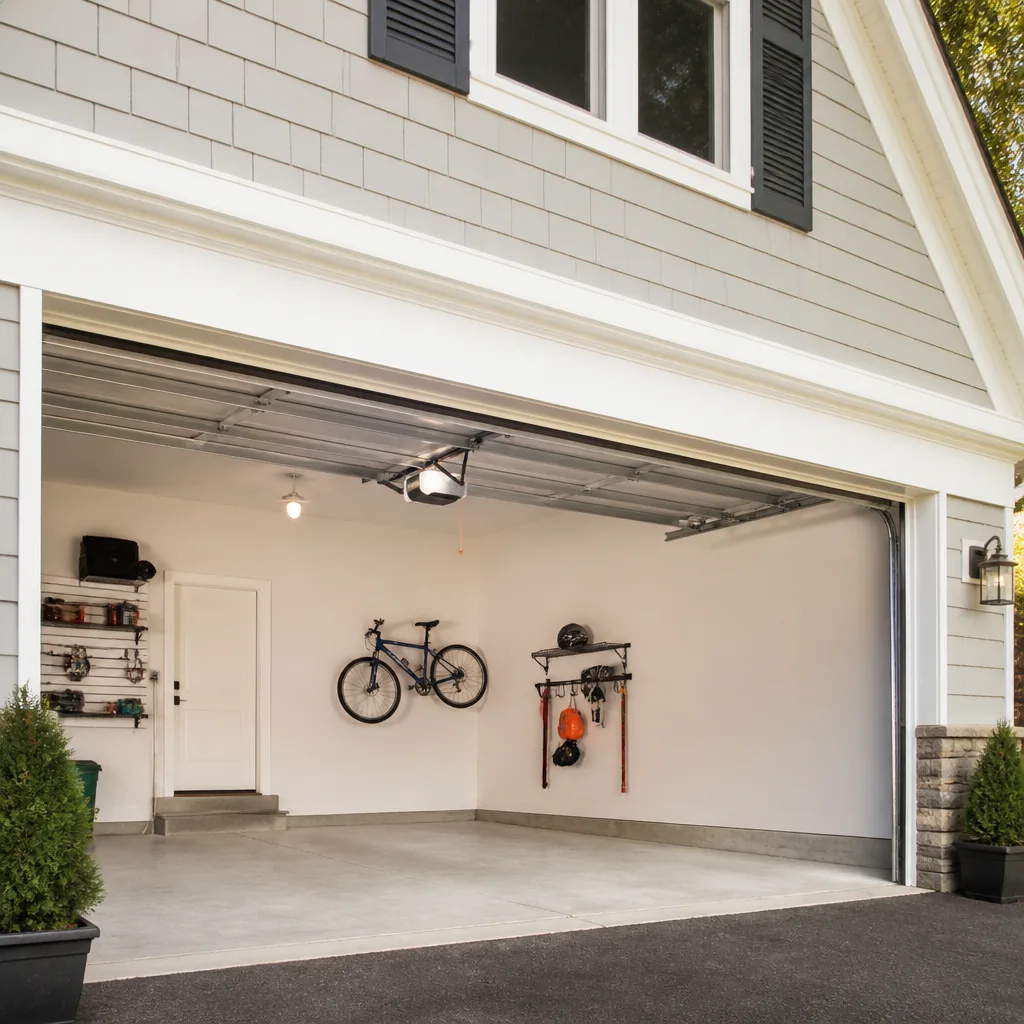 Chamberlain openers
Full 25-point door and opener safety check with every visit - springs, cables, rollers, tracks, and your LiftMaster or Chamberlain opener included
You get a price before we start. It does not change when the pro arrives.
Get your free estimateThe Complete Guide to Garage Doors in Princeton
Most “complete guides” to garage doors could apply to any zip code in America. This one can’t. A double carriage-house door on a Princeton Borough Victorian plays by entirely different rules than a steel flush panel on a Route 1 corridor townhouse, and the difference isn’t cosmetic: it changes what material you can buy, what mechanism fits your opening, and how much maintenance the door will need five winters from now. Princeton’s mix of historic colonials, newer townhomes, and HOA-governed communities creates more constraints and variables than most homeowners realize. This guide maps every decision – material, mechanism, insulation, and code – to the housing stock and climate pressures of Mercer County.
Quick Answer
The right garage door for a Princeton home depends on three things: your home’s age and architectural style, your rough opening measurements (not the door’s original size), and how the door is used daily. In central New Jersey’s climate zone 5a, material choice and weather sealing matter more than most national guides admit, because repeated freeze-thaw cycles punish cheap seals fast. Get the measurements and the style right, and everything else – insulation value, opener type, wind rating – falls into a predictable decision tree.
Styles & brands we work with
- Raised-panel steel
- Carriage house
- Modern flush
- Full-view glass
- LiftMaster openers
- Chamberlain openers
Table of Contents
- Princeton Borough vs. Township: How HOA and Historic Rules Shape Your Door Choice
- Why Central NJ’s Freeze-Thaw Cycles Age Seals Faster Than You’d Expect
- The Three Garage Configurations Most Common in Princeton’s Ranch and Split-Level Stock
- Choosing a Door Material for a Princeton Home
- How to Read a Clopay or Amarr Spec Sheet Against Your Rough Opening
- Springs and Hardware: What Every Princeton Homeowner Should Understand
- Openers: Smart, Legacy, and What Fits Your Door
- Which Upgrades Add Resale Value in Princeton and Which Are Over-Engineering
Princeton Borough vs. Township: How HOA and Historic Rules Shape Your Door Choice
In Princeton, where you live often determines what your door can look like before you ever pick a material. The borough’s older neighborhoods – think tree-lined blocks of Victorians, four-squares, and 1920s colonials – frequently sit within architectural review considerations that favor period-appropriate styling over whatever’s on sale. The township’s newer planned communities and HOA-governed townhomes operate under a different set of constraints: color palettes, panel profiles, and sometimes even window placement are governed by a homeowners’ association rather than a historic review.
Practically, that means a spec sheet can be perfect and still not be the door you’re allowed to install. Before you price anything, we recommend three checks:
- Confirm whether your property falls under a historic district or architectural review board, which is more likely on the borough’s older blocks. Ask the town’s planning or building office to confirm your status before you commit to a panel style.
- Request your HOA’s architectural guidelines in writing if you’re in a governed community. A surprising number of Princeton townhome associations restrict panel profile and color to a fixed approved list.
- Pull the original code-compliance requirements for your property if the garage was ever converted, expanded, or attached. Older Princeton homes sometimes have garages added decades after the house was built, and the opening may not match current standards.
These aren’t bureaucratic hoops to grumble about. They’re the reason a door that looks great in one Princeton neighborhood can be rejected two streets over. When you’re replacing a door on a historic home, choosing a carriage-style steel door with the right window configuration often satisfies both the review board and the modern homeowner who wants insulation and quiet operation. We work with Clopay and Amarr profiles regularly, which gives you a broader menu of period-appropriate styles that still meet current standards.
Why Central NJ’s Freeze-Thaw Cycles Age Seals Faster Than You’d Expect
Central New Jersey sits in climate zone 5a, and the defining feature of that zone for a garage door isn’t cold – it’s cycling. A typical Princeton winter can swing between freezing nights and mild days repeatedly across a single season. Every one of those swings moves your door’s bottom weatherstrip, side seals, and panel joints through expansion and contraction. Do that a few thousand times and the rubber that was flexible in October can turn stiff and cracked by March.
What that means in practice:
- Bottom weatherstrip is a wear item, not a lifetime part. That rubber seal at the base of the door takes the worst of the freeze-thaw punishment. When it hardens, cold air and moisture creep in, and the gap also lets in the occasional pest.
- Panel joints and hinges collect moisture. The seams between door sections are where rust starts on steel doors, and where wood doors start to swell if the finish has failed.
- Spring tension shifts with temperature. A torsion spring that balanced the door perfectly in July can feel sludgy in January. That’s not a failure – it’s physics – but it’s worth knowing before you assume the spring is shot.
- Track hardware loosens with thermal movement. Vibration from a daily-operated door plus seasonal metal movement means bolts back out over time. An annual tighten-up prevents most rattles.
The takeaway for Princeton homeowners: a door that was sealed for a mid-Atlantic climate is not a door that will hold up to freeze-thaw cycling by default. Weatherstrip quality matters more than the marketing on the door itself. If you’d rather not re-seal twice a decade, budget for a better-than-builder-grade seal now. When your existing door starts letting weather in and the seal is beyond saving, it may be a repair, and sometimes it’s the first sign a replacement is the smarter spend. Our garage door repair team can tell you which after a quick look.
The Three Garage Configurations Most Common in Princeton’s Ranch and Split-Level Stock
Princeton’s 1950s through 1980s residential building boom left behind three garage layouts that account for the bulk of what we see across the township. Each has a distinct set of door-system constraints.
1. The Single-Car Attached Ranch Garage
Common in the mid-century ranch homes that fill many Princeton neighborhoods, this layout has a single door of roughly 8 to 9 feet wide and a low ceiling clearance. These garages often have precious little headroom above the door, which matters for torsion-spring door systems that need a few inches of clearance for the hardware. On a low-clearance opening, a low-headroom torsion setup or a properly sized extension spring is the difference between a door that operates smoothly and one that binds.
2. The Split-Level Side-Loading Garage
Split-levels often have a garage that’s tucked under the main living level and set to the side of the entry. These tend to be deeper than they are wide, and the interior ceiling is sometimes set back a few feet from the opening. That geometry affects how far the opener rail travels and where the head unit mounts. It’s a common source of confusion if you’re buying an opener based on a spec sheet alone.
3. The Two-Car Front-Facing Attached Garage
Newer construction and rebuilds in Princeton frequently use a two-car front-facing layout with two single doors or one double-wide door. On these, the key variable is whether the rough opening was built to a nominal size or a true size. A “16-foot” door rarely fits a rough opening that isn’t exactly 16 feet wide after framing and trim, which is where the measurement section below earns its place.
Regardless of configuration, don’t underestimate how much the door’s operating mechanism interacts with the garage’s geometry. A door that works flawlessly on a straight-travel standard track can bind on a low-pitch or oddly shaped opening. If your current door clunks, screeches, or drags when it opens, that’s usually a geometry-and-hardware conversation, not a door-product conversation.
Choosing a Door Material for a Princeton Home
Material choice on a Princeton garage door is really a set of tradeoffs between appearance, insulation, maintenance, and how well the door survives a New Jersey winter. The four materials you’ll encounter are steel, aluminum, wood, and composite, and each suits a different Princeton housing type.
- Steel sectional doors dominate for good reason: they’re the most affordable per square foot, they hold up well to a climate 5a winter if the finish and weatherstrip are good, and modern models are available in profiles that read as period-appropriate. The main tradeoff is that steel dents – a stray basketball or an over-eager lawnmower gets expensive.
- Aluminum doors shine on the largest openings, including the carriage-house width doors you’ll see on some Princeton Borough homes. Aluminum is lighter than steel, so it earns its keep on wide spans where a heavy steel door would need beefier springs. It also resists rust in a way steel doesn’t.
- Wood doors are the historically correct choice for the borough’s older homes, and they look the part. Wood demands more maintenance – refinishing, checking for water infiltration at the joints – but nothing else reads quite the same on a Victorian.
- Composite and wood-look doors are the modern middle ground. They mimic the carriage-house look without the refinishing schedule.
One thing Princeton homeowners rarely think about until they’re replacing a door: how the door interacts with the house’s exterior aesthetics. On a home with stone veneer or brick trim, a wood-look door in a warm tone usually blends more naturally than a cool steel panel. On a mid-century ranch with clean lines, a flush steel door is more period-correct. Match the door to the house, not the brochure. Wayne Dalton and Clopay both make profiles that cover the range, and our team can talk you through the practical differences once we see the openings.
How to Read a Clopay or Amarr Spec Sheet Against Your Rough Opening
Spec sheets are one of the most misunderstood documents in the garage door trade. A manufacturer’s spec sheet tells you what a door is, not whether it will fit your opening. The gap between the two is where most replacement mistakes begin, and it’s the measurement error we see most often in Princeton.
Here’s the sequence we recommend:
- Measure the rough opening, not the old door. The rough opening is the framed gap in the wall. Measure the width between the inside of the rough framing on both sides, and the height from the floor to the bottom of the header. Note whether the opening is square and plumb – older Princeton homes frequently aren’t.
- Deduct for the door-to-frame clearance. Standard installation needs clearance on both sides and at the top for the track, hinges, and trim. A door that matches the rough opening exactly won’t fit – there has to be room for the hardware.
- Confirm the door’s finished, trim-to-trim width and height. That’s the number that has to match your opening plus the trim. The spec sheet lists it, but you have to read it against your measurement, not the other way around.
- Check the headroom above the opening. Torsion springs and their hardware need vertical space above the door. If your garage has a low ceiling or a soffit directly above, that spec matters more than the door’s aesthetic details.
- Check the backroom and sideroom. Standard draw uses track that extends several feet into the garage. If you have a car parked close to the door or a tight side wall, that geometry needs to be part of the plan.
A Clopay or Amarr spec sheet will give you all of those numbers, but you have to know which lines matter. Reading “rough opening width” as “finished width” is the single most common mistake we see. If you’d rather not gamble on the measurement, our team can come out and confirm the opening against the spec sheet before you order. It’s the cheapest insurance in the whole project.
Springs and Hardware: What Every Princeton Homeowner Should Understand
Garage door springs are the part that fails most dramatically and the part a homeowner should respect most. A torsion spring stores enough energy to lift a door weighing well over 100 pounds. When it lets go, it releases that energy instantly. This is the one part of your garage door system where the correct answer to “should I fix this myself” is a firm no.
What you need to know as a homeowner:
- Springs work for a service life, not forever. A torsion spring has an expected cycle count, and every open and close takes a cycle off it. A household that opens the door five times a day is going to see spring failure sooner than a household that leaves the car in the driveway.
- Springs are matched to the door’s weight. You can’t swap one out for the nearest size and expect it to balance. A door that’s slightly off balance strains the opener and the door’s hinges, and it’s one of the leading causes of opener burnout.
- Torsion and extension springs are different mechanisms. Torsion springs mount horizontally above the door on a shaft. Extension springs run along the tracks on both sides. Both are high-tension, and both require the right tools and technique.
- A pair is usually replaced together if the door uses a matched set. If one spring has failed on a balanced pair, replacing just one introduces imbalance. The honest move is to explain both options and let you choose.
One of the reasons spring failure is such a common call is that a broken spring leaves the door stuck, often with the car inside. When a spring snaps, you don’t want to force the door up. A door stuck closed, or a door stuck open overnight, is where our garage door spring repair team earns its keep. Call us, describe what happened, and we’ll get someone out with the right tooling. This is a safety-critical job, and the professional handling matters as much as the part that gets replaced.
Openers: Smart, Legacy, and What Fits Your Door
Openers get replaced more often than doors, and the market has quietly split into two camps: the modern smart-opener ecosystem, and the older belt-and-chain units that are still running in a lot of Princeton homes. Knowing which camp fits your situation saves you money and frustration.
The two dominant smart-home-integrated systems today are LiftMaster and Chamberlain, both of which share the myQ ecosystem and offer smartphone control, scheduled closing, and integration with common home-automation platforms. They’re the right pick when you’re replacing a failed opener on a home where the garage is used as a resident entry point and you’d like the door’s status visible from your phone.
Legacy openers from Craftsman and Genie are everywhere in Princeton’s older homes, and they’re not the throwaways the smart-home pitch suggests. A well-maintained Genie chain drive or a Craftsman belt unit can run for years, and repairs on those systems are often worth doing. The failure mode matters: a grinding noise, a door that reverses immediately, a remote that only works close to the opener, or a wall button that doesn’t respond. Each of these points to a specific component – logic board, safety sensor alignment, capacitor, or wall station – and diagnosing the actual failure is far cheaper than replacing the unit on a hunch.
What fits your door depends on what your door is doing. A heavy insulated door on a low-clearance track needs a DC motor with proper torque. A lightweight single door runs fine on a less powerful unit. If your opener’s years have caught up with it and you’d rather repair than replace, our garage door opener repair team works across the major brands and can tell you honestly whether a repair is worth doing.
Which Upgrades Add Resale Value in Princeton and Which Are Over-Engineering
Princeton’s real estate market rewards homes that look right and operate quietly, not homes with every gadget. If you’re making a door decision with resale in mind, the honest answer is that some upgrades are worth their price and some are pure vanity. Here’s how to sort them.
Upgrades that pay off in Princeton:
- Insulation and quiet operation. Insulated doors make the garage a usable space year-round. Buyers in the Princeton market notice a garage that doesn’t echo and doesn’t freeze.
- A modern opener with smartphone control. In a market with a lot of buyer expectations set by house-hunting apps, an integrated smart opener is a visible signal that the home has been maintained with care.
- Weatherstrip and seal quality. A new door with cheap seals is a short-lived proposition in climate 5a. Better sealing is a low-cost upgrade with real-world value.
- Correct fit and quiet operation. A door that operates quietly and closes flush – no rattles, no gapping – is more valuable than any cosmetic upgrade.
Upgrades that are usually over-engineering:
- Upgrading wind load rating on a sheltered Princeton garage. Unless your property is exposed in a way that genuinely warrants it, a standard wind rating is adequate. Don’t upgrade the spec just because it’s offered.
- Extra-high insulation R-values on an unfinished garage. If the garage isn’t conditioned and doesn’t share a wall with living space in a way that matters, the highest R-value door is a pay-more-for-nothing proposition.
- Cosmetic add-ons like window overlays on a door that doesn’t face the street. Look-right upgrades are worthwhile on the front of the house. On a side-loading garage, nobody sees them.
The cleanest resale logic in Princeton is this: put money into what the next owner will experience every day – quiet operation, a comfortable garage, and a door that looks at home on the house. Our full installation service covers Clopay, Amarr, and Wayne Dalton profiles, and we can help you sort vanity upgrades from value upgrades.
Common Mistakes to Avoid
- Measuring the old door instead of the rough opening. The most common replacement mistake in Princeton. Measure the framed opening, deduct for clearance, and confirm against the door’s finished width and height.
- Assuming your HOA approved your door choice. In HOA-governed Princeton communities, an unapproved panel profile or color can lead to a removal order. Get the guidelines before you order.
- Replacing one spring on a matched pair. A door with one old and one new spring will run out of balance and put unnecessary strain on the opener. Springs are matched to the door’s weight and to each other.
- DIY spring work. Torsion springs carry enough stored energy to cause serious injury. The correct tooling and procedure matter more on this job than on any other part of the system.
- Buying an opener before checking the door’s specs. A heavyweight insulated door and a lightweight single-panel door need different opener torque. Match the opener to the door, not to the marketing.
- Skipping the seal as an afterthought. The bottom weatherstrip is the part that takes the freeze-thaw cycle’s worst hits. Treat it as a regular wear item, not a permanent install.
- Choosing a material that clashes with the house. A flush steel door on a Victorian, or a wood-carriage look on a mid-century ranch, is a design mismatch that reads wrong to buyers. Match the material to the architecture.
See the difference
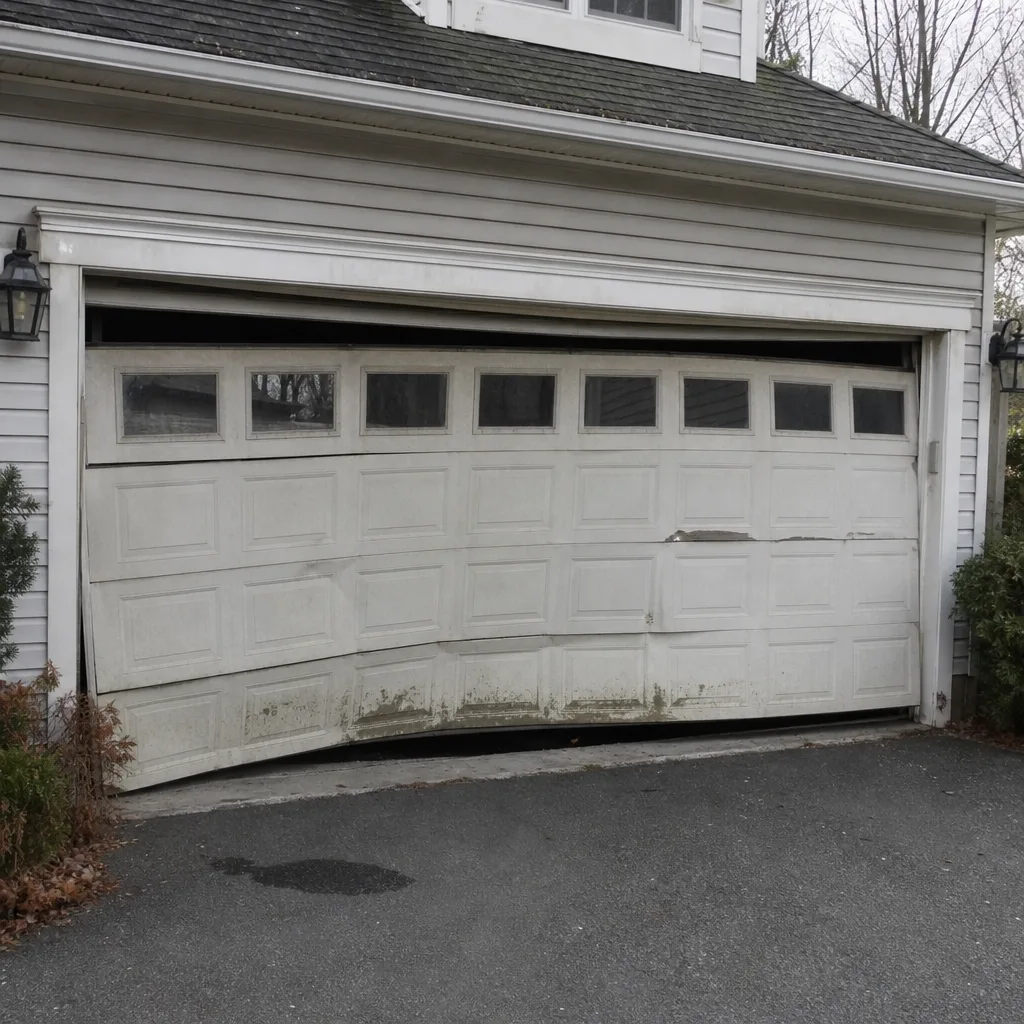 Before
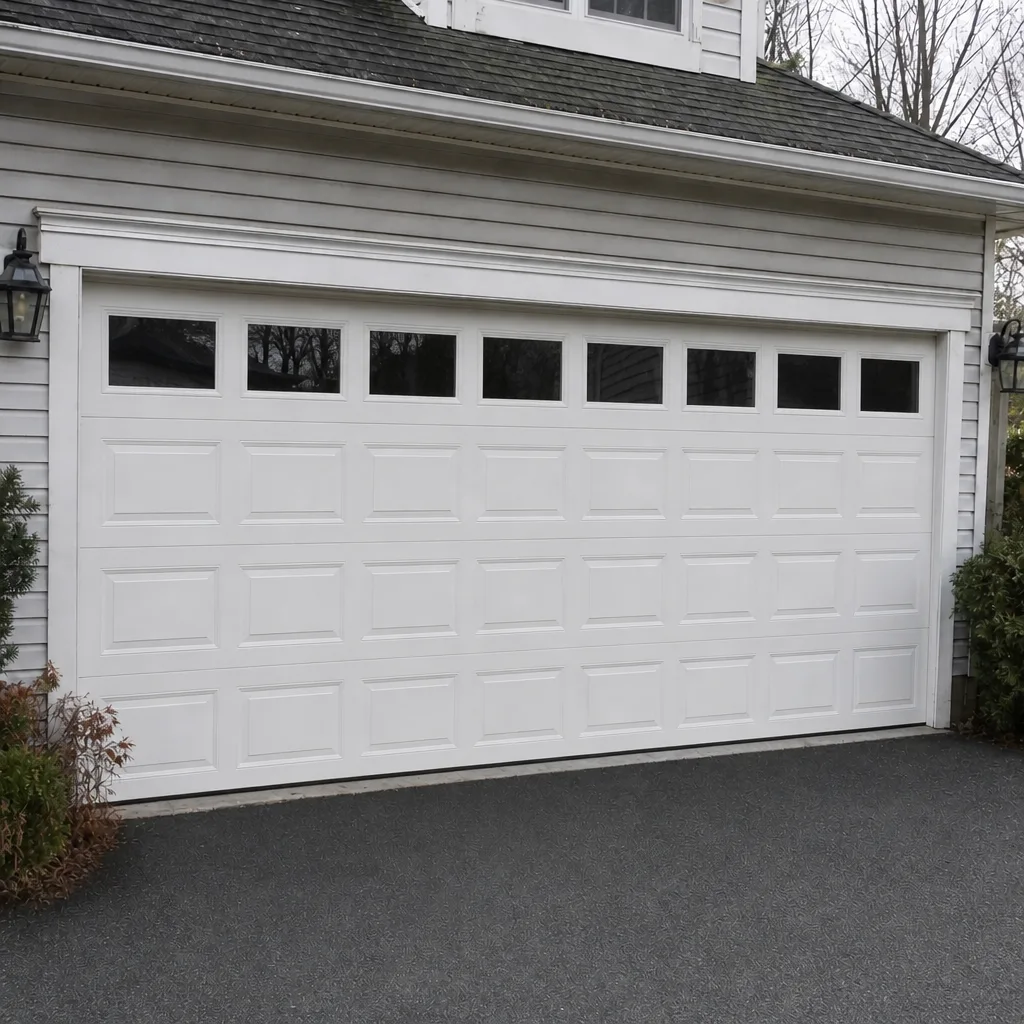 After
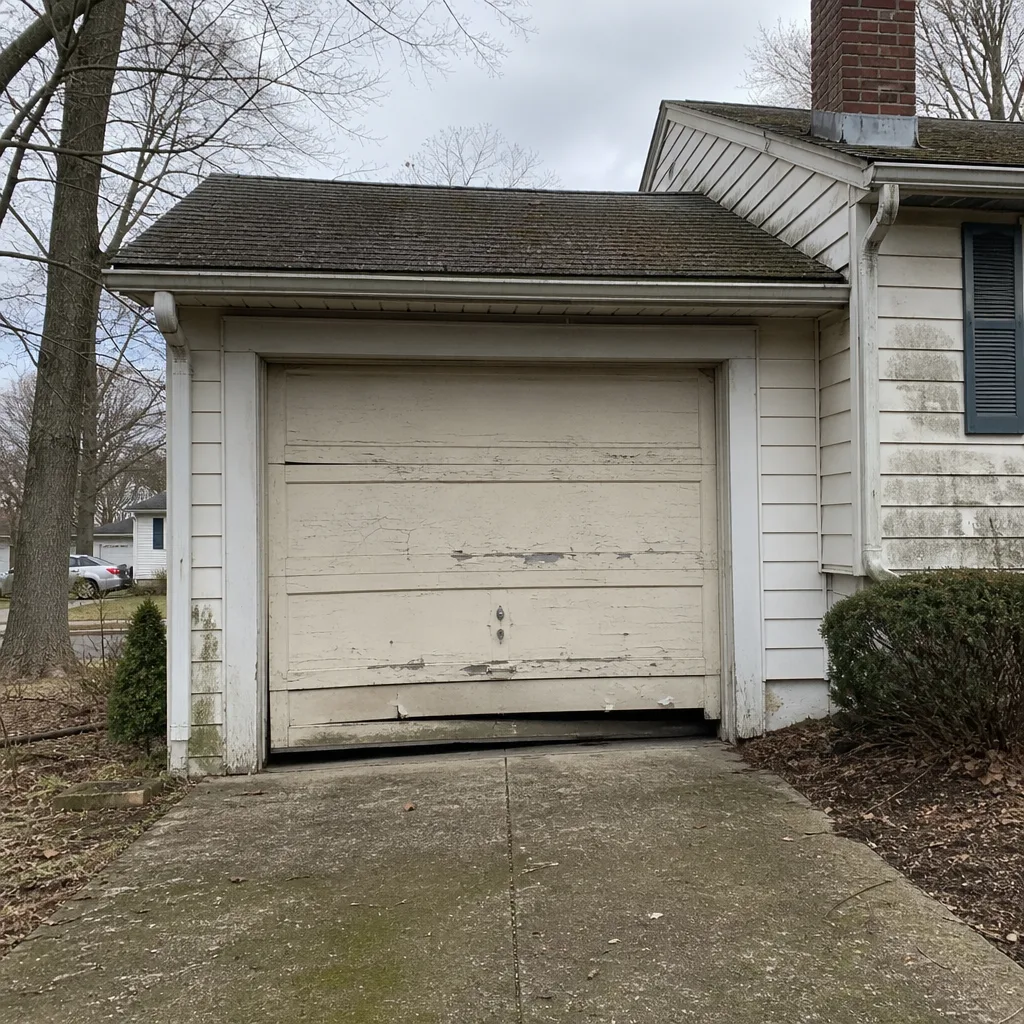 Before
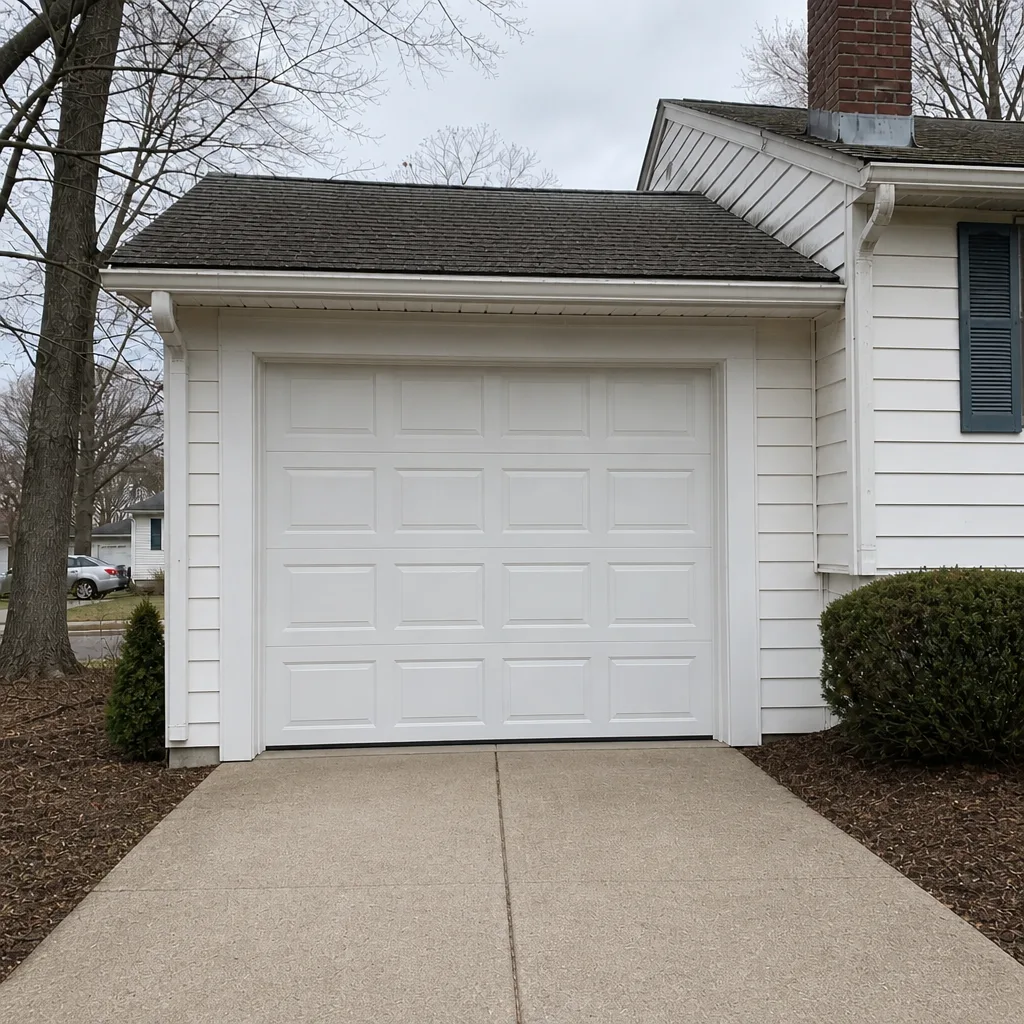 After
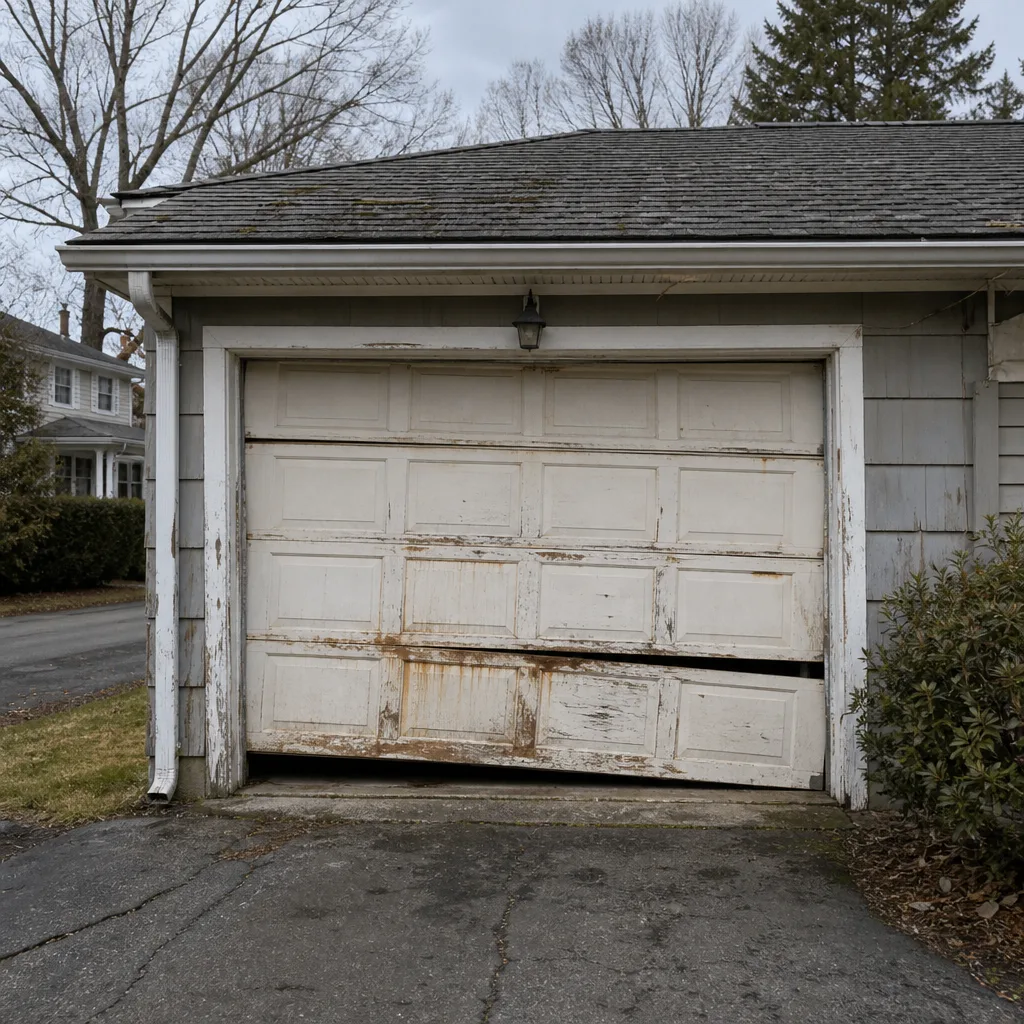 Before
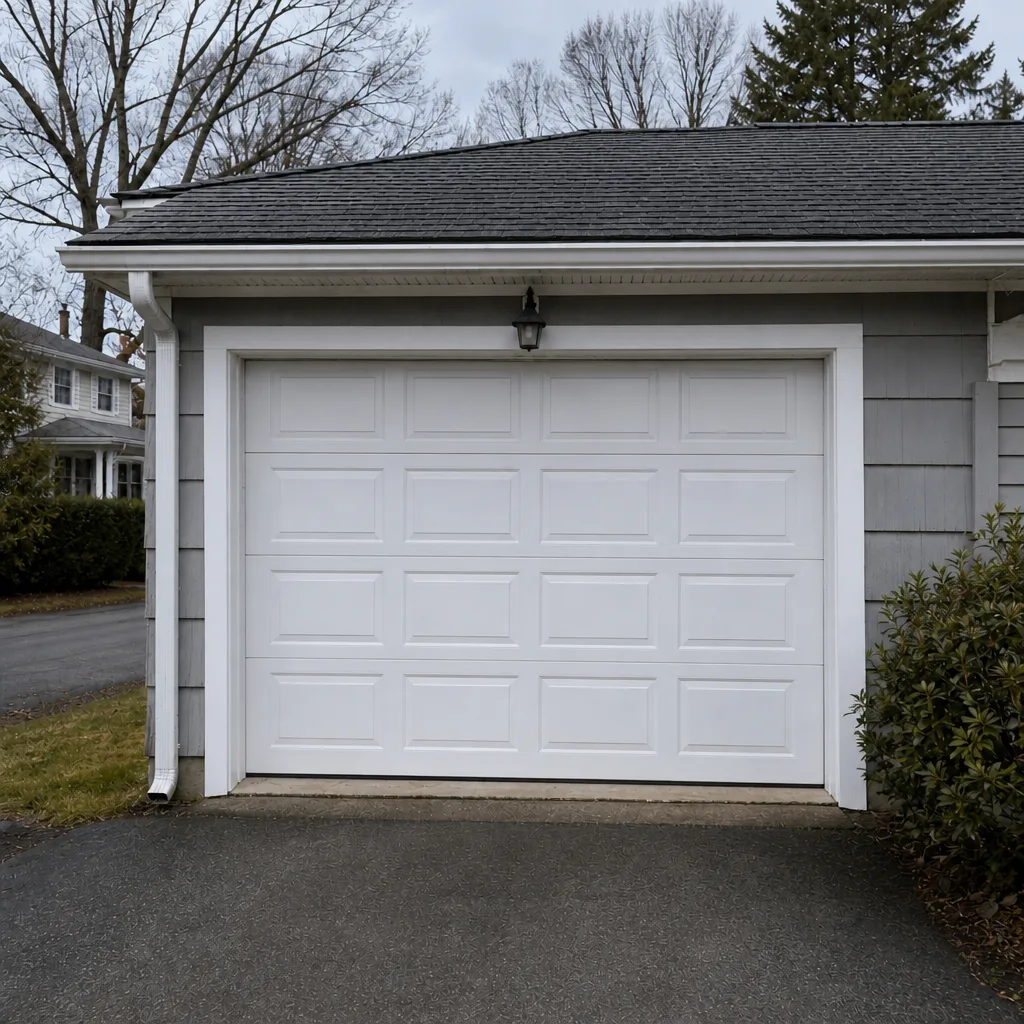 After
When to Call a Professional
Some garage door problems are fine to handle yourself: tightening a loose hinge, replacing a battery in the remote, or vacuuming the track. Others aren’t worth the risk. Call us when a spring has snapped, when the door fails to close flush, when an opener reverses without reason, when a door is stuck open overnight, or when your existing door’s hardware is grinding or binding. Any door heavier than a standard single can do real harm if it fails under load, and spring work is a professional’s job without exception. As a specialist brand shop serving Princeton, we work across the major door and opener brands – that matters at repair time, when the right part and compatibility decide whether the fix is a quick one or a saga. Princeton Garage Door Repair Pros offers free estimates in Princeton. Call (855) 337-2012. We answer 24/7. Fast dispatch from 7am to 7pm, Sunday through Friday.
Frequently Asked Questions
The rough opening, measured at the framing rather than the old door, is the first thing to check. Confirm whether your property falls under historic review or HOA architectural rules before you commit to a style, since those constraints can override the door you’d otherwise buy. A free estimate includes a measurement check, and it usually catches the mistake before it becomes an order.
More often than most national guides suggest, because climate zone 5a’s freeze-thaw cycles stress the bottom weatherstrip and side seals repeatedly across a season. Plan on inspecting the seal annually and treating it as a wear item rather than a permanent part. A worn seal is also the leading cause of cold air, moisture, and small pests finding their way in.
It depends on your property and the scope of the work, so the right move is to ask the town’s building office directly before you order. Historic-district and HOA-governed properties often carry an extra layer of review. We can tell you what the job involves and what it will take to install a new door properly; the permit question belongs with the city.
Often yes – spring repair is a core specialty for us, and a snapped spring on a daily driver is exactly the kind of urgent call we plan for. We answer 24/7, and fast dispatch runs from 7am to 7pm, Sunday through Friday. Call (855) 337-2012 and describe what the door is doing; we’ll tell you what’s needed and when we can get out. Estimates are free.
No – the written estimate sets the price, and work doesn’t start until you’ve agreed to it. We quote per job, not by the hour, and we call out anything that might change the scope before we begin. That’s the honest answer, and it’s the one we stick to.
Not necessarily. If your opener is a well-maintained LiftMaster, Chamberlain, Genie, or Craftsman system and it’s correctly matched to the new door’s weight, repairing or reusing it is often the smarter move. What matters is that the opener’s torque suits the door. A heavier insulated door needs more torque than a lightweight single panel, and mismatching the two wears out the opener and the door.
The Bottom Line
Princeton garage doors are a local problem with local answers. Borough Victorians and Township townhomes operate under different rules, the climate zone 5a freeze-thaw cycle punishes cheap seals faster than most guides admit, and the three most common garage configurations in Princeton’s ranch and split-level stock each come with their own door-system constraints. Get the rough opening right, match the door to the house and the house to its rules, respect the spring as a safety-critical part, and choose upgrades that the next buyer will actually notice. Everything else is decisions made easier by having the right professional look at it in person. If a door is grinding, a spring has let go, or you’re starting fresh with a replacement, our team at Princeton Garage Door Repair Pros is here to help. Call (855) 337-2012 for a free estimate. We answer 24/7. Fast dispatch from 7am to 7pm, Sunday through Friday.
Written by the team at Princeton Garage Door Repair Pros.