
Last updated November 22, 2026
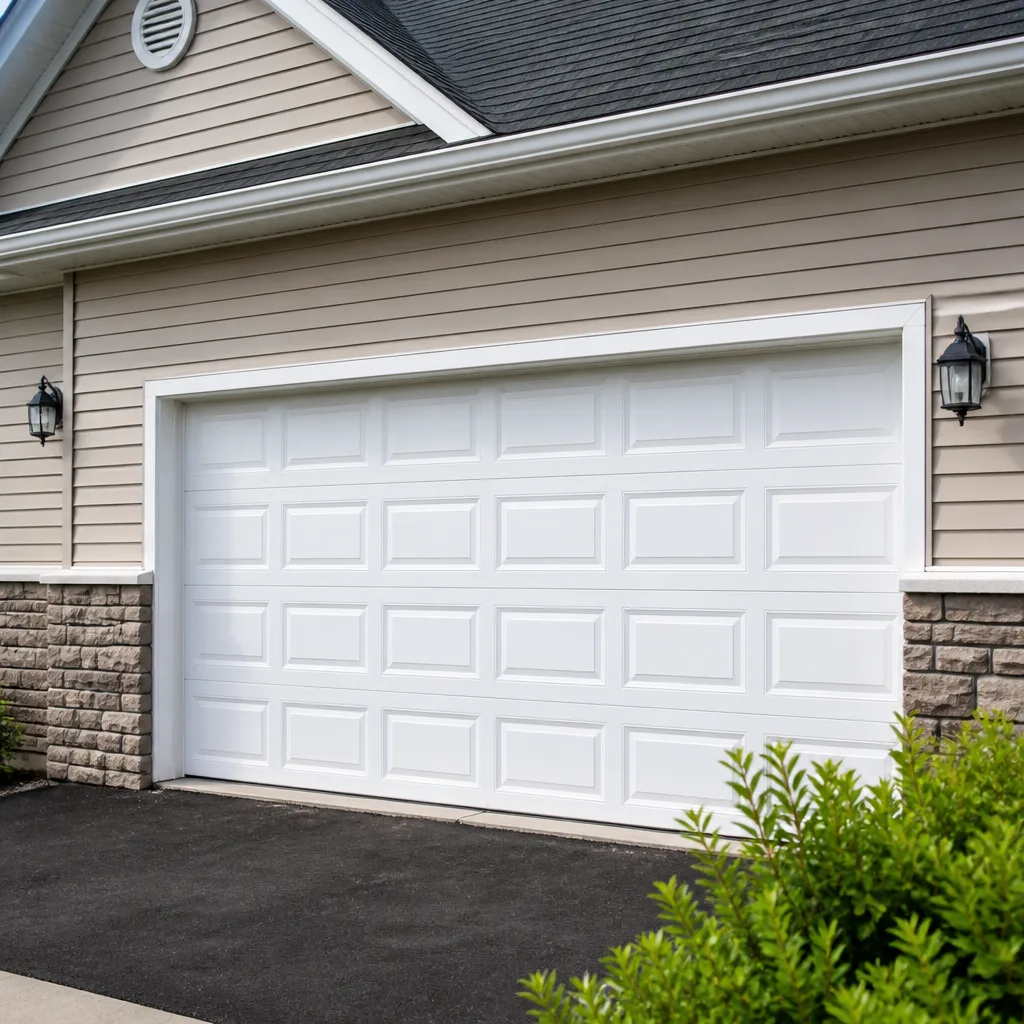 Raised-panel steel
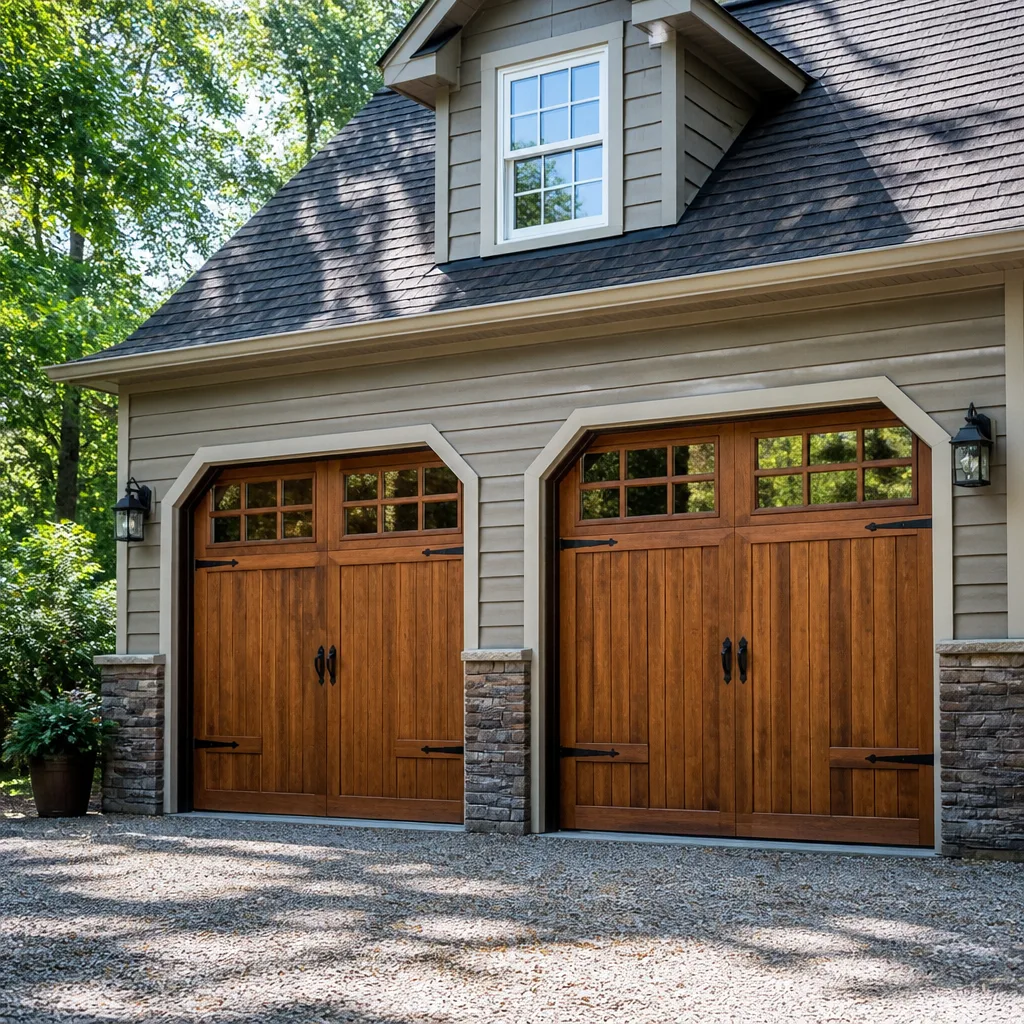 Carriage house
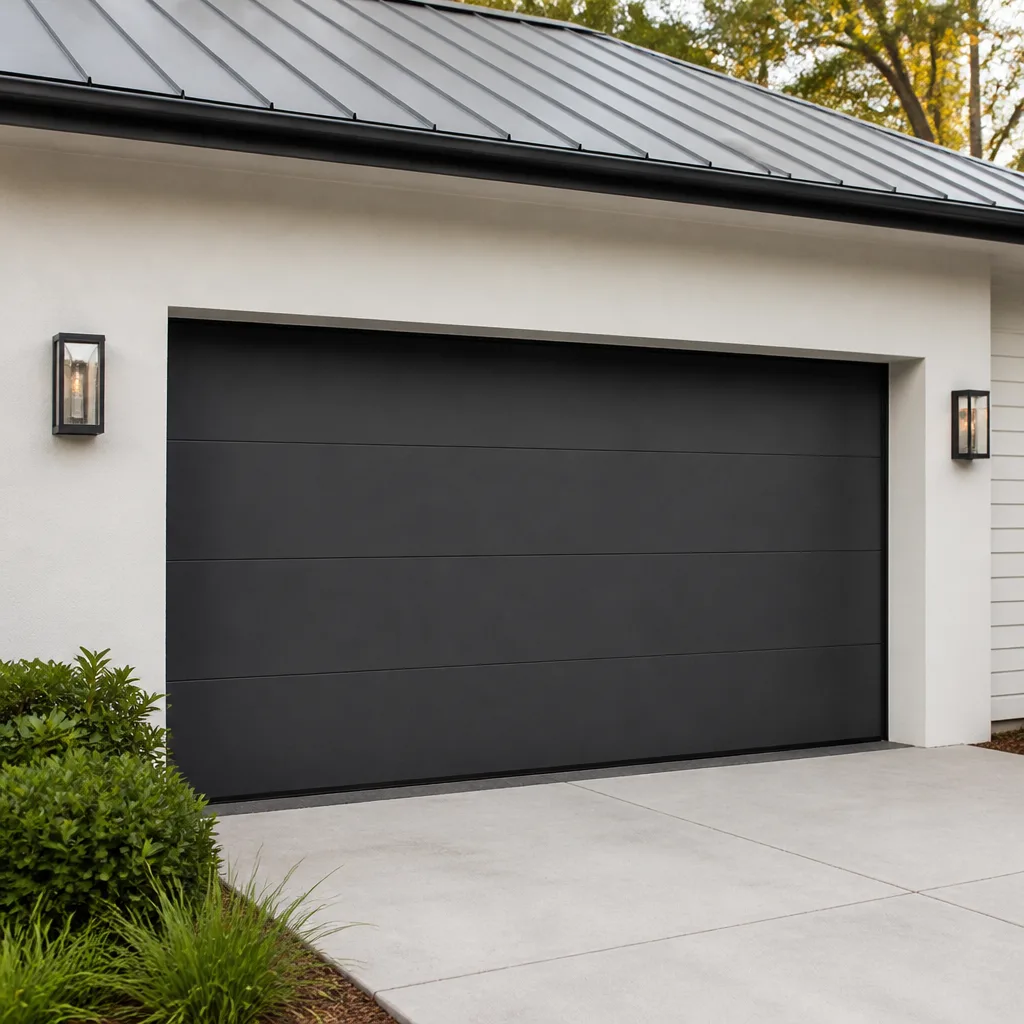 Modern flush
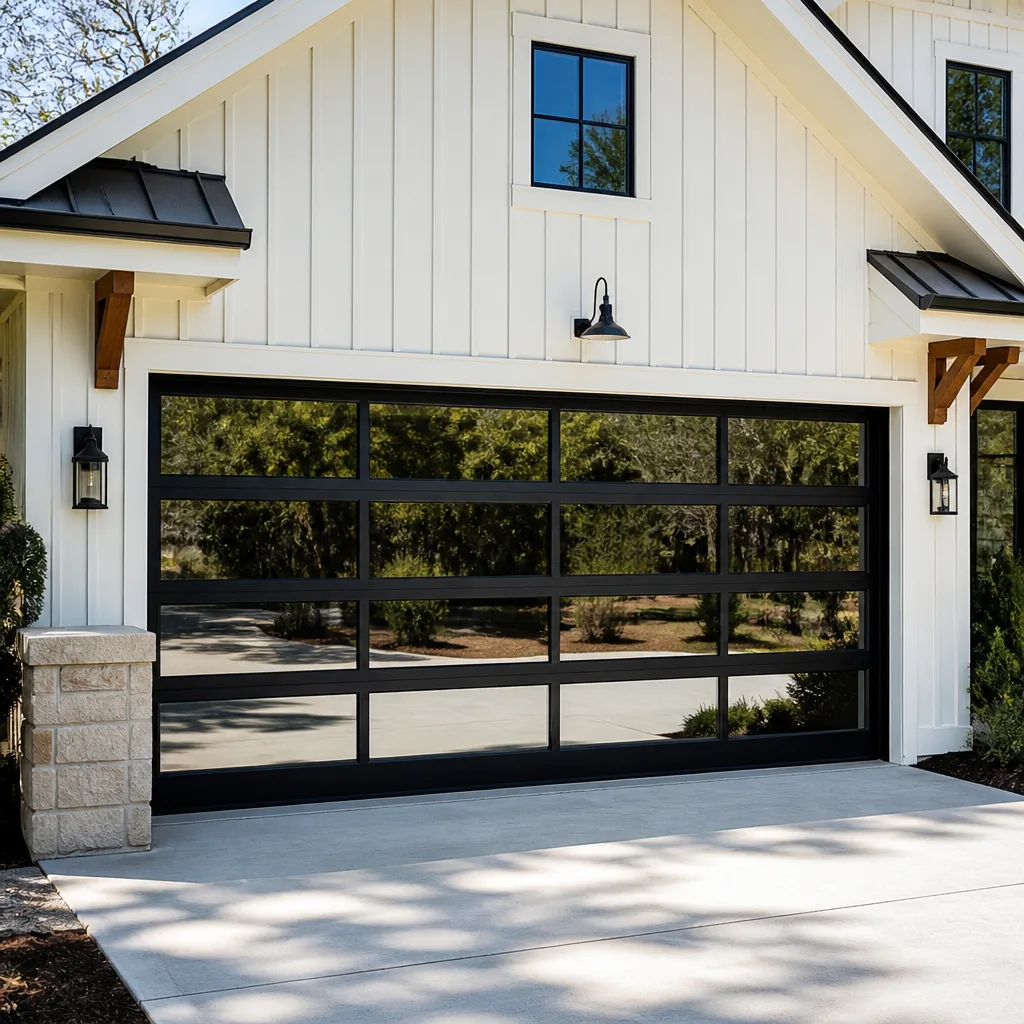 Full-view glass
 LiftMaster openers
 Chamberlain openers
Full 25-point door and opener safety check with every visit - springs, cables, rollers, tracks, and your LiftMaster or Chamberlain opener included
You get a price before we start. It does not change when the pro arrives.
Get your free estimateHow to Hire a Garage Door Contractor in Princeton: A Step-by-Step Guide
New Jersey does not require a standalone garage door contractor license. That means the person who installs a 400-pound door system above your car could have learned the job last Tuesday, and nothing on a business card will tell you. What the state does require is Home Improvement Contractor registration with the Division of Consumer Affairs for most residential work, and that’s where the confusion starts. Registration is a consumer-protection baseline, not proof that someone understands torsion spring cycle ratings, panel gauge tolerances, or how a LiftMaster logic board handles a photo-eye fault. This guide gives you the interview framework to hire right the first time in Princeton, from the questions that expose a generalist to the estimate red flags worth walking away from.
Quick Answer
To hire a garage door contractor in Princeton, verify New Jersey Home Improvement Contractor registration, ask five technical questions about springs, hardware, cycle ratings, and permits, and read the written estimate line by line before you sign. The lowest quote usually reflects missing permit pulls, non-galvanized hardware, or springs rated below what your door weight demands. Get parts, labor, and spring cycle guarantees in writing, and never accept a verbal warranty.
Styles & brands we work with
- Raised-panel steel
- Carriage house
- Modern flush
- Full-view glass
- LiftMaster openers
- Chamberlain openers
Table of Contents
- Why Vetting a Garage Door Contractor in Princeton Matters
- What NJ Home Improvement Contractor Registration Actually Covers
- The Five Technical Questions to Ask Before Anyone Quotes You
- How to Read a Garage Door Estimate Line by Line
- Why the Lowest Quote in Princeton Often Costs More
- What a Legitimate Warranty Looks Like in Writing
- Step-by-Step: The Hiring Process in Order
- Brand Fluency: What It Tells You About a Contractor
Why Vetting a Garage Door Contractor in Princeton Matters
Your garage door is the largest moving part in your home. It’s also the most dangerous system most homeowners touch, and that’s before you consider the weight of a double-car door suspended on two torsion springs under thousands of pounds of tension. When something fails, it fails violently. In our experience, the difference between a properly rated spring and an undersized one shows up 4,000 cycles later, long after the installer has cashed the check.
Princeton homes span a wide range of garage door ages and styles. Older homes near the Institute for Advanced Study area and along the tree-lined streets off Nassau often carry wood or wood-composite doors with older hardware. Newer construction toward West Windsor and the Route 1 corridor trends toward steel and insulated aluminum with smart openers. Each of those systems demands different parts, different tension settings, and different opener logic. A contractor who only sees steel doors will struggle with a wood panel alignment or a legacy opener.
The stakes go beyond a stuck door. A door that hangs unevenly stresses the opener rail. An opener that overdrives a binding door burns out its motor or logic board. And a spring job done without proper winding bars puts the technician and anyone in the garage at real risk. That’s why vetting isn’t about finding the friendliest quote. It’s about finding someone whose answers hold up.
What NJ Home Improvement Contractor Registration Actually Covers
New Jersey’s Home Improvement Contractor (HIC) registration is administered by the Division of Consumer Affairs and applies to most residential home improvement work, garage doors included. Registration requires a business filing, a consumer complaint history record, and compliance with the Home Improvement Practices regulations that govern contracts, estimates, and cancellation rights. What it does not require is proof of trade-specific competence. There is no state exam for garage door systems. There is no separate garage door license class.
That gap is exactly why HIC registration is the floor, not the ceiling. It confirms the business is on record and subject to consumer-protection enforcement. It says nothing about whether the technician knows a 7-foot-high torsion spring from a 7.5-foot, or whether the crew carries a proper set of winding bars. For that, you need insurance verification, references, and the five technical questions below.
Ask for three things in writing before work begins:
- The HIC registration number and the exact legal business name it’s filed under
- General liability insurance with a certificate showing the policy is active, ideally with a coverage limit you can verify
- Workers’ compensation coverage if anyone other than the named contractor will be on your property
New Jersey requires written home improvement contracts for jobs above a threshold, and those contracts must include specific disclosures. Ask your contractor to confirm the contract meets the state’s Home Improvement Practices requirements. If they can’t explain what those are, that tells you something. When we connect Princeton homeowners with a local pro, we confirm state licensing and insurance as their state requires before any work is scheduled.
For the repair side of the equation, our garage door repair team handles the diagnostic and safety checks that follow a proper hire.
The Five Technical Questions to Ask Before Anyone Quotes You
These five questions separate specialists from generalists. A real garage door contractor answers them without hesitation and without running to the truck to check. Anything vague is a signal to keep looking.
- “What cycle rating are these springs?” Standard torsion springs carry a cycle rating, typically 10,000 cycles for economy springs and higher for upgraded ones. A good contractor knows the rating on the springs they’re proposing and can explain why that rating fits your door weight and daily use. If they say “standard springs,” ask standard at what rating.
- “Do you stock torsion hardware for my door width on the truck?” Door width determines cable drum size, torsion tube length, and spring wind. A contractor prepared for a 16-foot double door should say so specifically. If they have to guess, they’ll be guessing on your door.
- “How do you verify spring wind direction and inside versus outside lift?” This is the question that separates training from exposure. Springs mount inside or outside the track, wind left or right, and the answer determines whether the door lifts safely or binds. A contractor who can’t explain lift type in plain language hasn’t done enough of them.
- “Will you pull the permit if my town requires one?” Most New Jersey municipalities require a permit for structural garage door replacement, though rules vary. Ask your city’s building department directly and ask the contractor to confirm they’ll handle the filing if one applies. A contractor who quietly skips the permit leaves you holding the problem at resale or inspection.
- “What brands do you work on, and which ones do you carry parts for?” A specialist should name specific manufacturers and explain part availability. Ask about LiftMaster and Chamberlain openers, Clopay and Amarr doors, and legacy systems like Craftsman and Wayne Dalton. If the answer is “we work on all of them” with no detail, that’s a generalist answer.
Write the answers down. Compare them across contractors. You’ll know within two calls who’s a specialist.
How to Read a Garage Door Estimate Line by Line
A garage door estimate is a small document with large implications. The red flags hide in vague line items. An estimate that says “hardware” with a single number is telling you it can’t or won’t specify what’s being installed. The same goes for “labor” as a lump sum. Real specialists itemize.
Here’s what a clear estimate includes:
- Spring type, wire size, inside diameter, and cycle rating for each spring being replaced
- Cable, drum, and bearing plate specifications where those parts are being changed
- Panel gauge and material for any door or panel replacement
- Opener model number and whether a rail extension, belt, chain, or screw drive is included
- Hardware list itemized by hinge, roller, and bracket, not lumped into “hardware”
- Permit line item if a permit applies, or a clear statement that none is needed
- Warranty terms broken out by parts, labor, and spring cycles
Watch for these red flags in a Princeton estimate:
- “Hardware” as a single dollar amount with no breakdown
- “Labor” as a percentage or lump sum with no scope description
- No spring cycle rating stated
- No mention of permits or a statement that “no permit is needed” without a call to the town
- Spring ranges quoted for one spring when you have a pair, since a matched pair is usually replaced together and costs about twice a single-spring range
When we handle garage door spring repair, the written estimate always separates spring specification from labor. That’s the standard you should hold every contractor to. For a spring, expect typical estimates in the low hundreds for a single spring, with a matched pair at roughly twice that. The written estimate sets the final price, and it should be quoted and agreed before any work starts.
Why the Lowest Quote in Princeton Often Costs More
The cheapest quote is rarely the cheapest job. In Princeton’s market, the three most common sources of a suspiciously low bid are missing permit pulls, non-galvanized hardware, and under-rated springs. Each one has a way of showing up later.
Missing permit pulls shift risk to you. If your town requires a permit for the work and the contractor skips it, you can end up with an unpermitted installation on record when you sell or refinance. The cost of retroactive permitting and inspection rarely stays low.
Non-galvanized hardware is the quiet one. Hinges, rollers, and brackets that aren’t galvanized or otherwise corrosion-protected degrade faster in New Jersey’s humid summers and freezing winters. Year after year of temperature swings and road salt tracked into the garage shorten the life of ordinary steel hardware. Galvanized parts cost a little more and last longer. A low quote often reflects the cheaper grade, and you may find yourself replacing hinges well before the door itself needs attention.
Under-rated springs are the most expensive shortcut. A spring rated for fewer cycles than your daily use demands will fail sooner. You’ll pay for the spring twice, and the second time you’ll also pay for the door or opener damage the failed spring may have caused. In our experience, a cycle-rating conversation is the fastest way to spot which contractor is thinking past the invoice date.
A fourth factor is scope inflation. A quote that bundles an opener replacement into a spring job without explaining why is padding. Ask what’s diagnostic and what’s recommended. Then ask why. For opener-specific work, our garage door opener repair team can give you a second opinion on whether a new unit is actually justified or if a logic board or travel-limit adjustment solves the problem.
What a Legitimate Warranty Looks Like in Writing
A verbal warranty is a courtesy. A written warranty is a contract term. Get it in writing, and make sure it states specific durations and coverage for three separate things: parts, labor, and spring cycles. Each one is different.
Here’s what a solid written warranty covers:
- Parts: a defined duration on the spring, opener, or door, with the manufacturer named. Clopay, Amarr, Raynor, and Wayne Dalton all publish different residential warranty terms, and the contractor should be able to tell you which one applies to your door.
- Labor: a stated window during which the contractor will return to correct workmanship at no additional charge
- Spring cycle guarantee: a specific cycle number the contractor stands behind, in writing, tied to the cycle rating of the installed spring
- Exclusion list: what’s not covered, such as damage from misuse, accidents, or modified tracks
- Claim process: who to call, and how response time is defined
Two warranties worth asking about specifically: a spring cycle guarantee, and a labor warranty that survives the first winter. A warranty that only covers parts for 30 days and labor for none isn’t really a warranty. A warranty that names the manufacturer, states a cycle count, and gives a labor window is. Ask for it in writing, ask whether it transfers if you sell the home, and keep the signed copy with your closing documents.
Step-by-Step: The Hiring Process in Order
Here’s the order that works, from first search to final walkthrough.
- Define the job. Is it repair, replacement, opener work, or a full new door? A repair has a different vetting bar than an installation. For a full installation, plan on a measure, an order window, and a scheduled install rather than same-day work.
- Check HIC registration and insurance. Verify the business name on the state registry and request a certificate of insurance. This takes about ten minutes and filters out the bottom of the market.
- Call two to three contractors. Ask the five technical questions on each call. Note who answers with specifics and who answers with sales language.
- Get written estimates. Refuse verbal-only quotes. Ask for the itemized breakdown described above, and confirm the price is quoted and agreed before any work starts.
- Confirm permits. Call your town’s building department and ask whether your job needs a permit. Then confirm the contractor will pull it if required.
- Read the warranty. Get parts, labor, and spring cycle terms in writing before signing.
- Schedule and inspect. On install day, confirm the springs match the spec, the opener model matches the estimate, and the safety reverse works. Ask for a walkthrough of the balance test and the two-by-four obstruction test.
If at any point the door is stuck open or stuck shut and you need a fast diagnosis, our Princeton Garage Door Repair Pros team treats those calls as urgent. A door stuck open overnight or stuck shut when you need to leave is the kind of problem that gets prioritized, not scheduled for next week. We answer 24/7.
Brand Fluency: What It Tells You About a Contractor
Brand fluency is the underrated credential. Garage doors and openers are not interchangeable. A LiftMaster logic board and a Chamberlain wall console behave differently on a photo-eye fault. A Clopay panel profile won’t line up with a Wayne Dalton track without the right brackets. And Craftsman and Genie systems from older homes use parts that newer contractors may never have handled.
A contractor who works across all the major brands carries parts, settings, and compatibility knowledge that a generalist doesn’t. When you ask “do you work on my brand,” and the answer is a specific yes followed by a model question, that’s the specialist answer. When the answer is “we work on everything,” ask a follow-up: “What’s the difference between a belt drive and a screw drive on a Genie?” A specialist will explain without hesitating. A generalist will change the subject.
Brand fluency also affects parts timing. A contractor familiar with Amarr and Raynor knows the lead times for door-specific panels. A contractor familiar with LiftMaster and Chamberlain knows how to diagnose a wall console fault versus a logic board failure without ordering the wrong part. For an installation, that knowledge translates directly into fewer delays, accurate measurements, and a door that arrives on the right schedule.
Ask which brands the contractor works on most often. Ask which ones they carry parts for versus order. Ask what happens if the door you want is out of stock. The answers tell you more than a brochure ever will.
Common Mistakes to Avoid
- Hiring on price alone. The lowest quote in Princeton often omits a permit pull, underspecifies hardware, or uses springs rated below your door weight. Compare specifications, not just the bottom line.
- Skipping the HIC registration check. A business card is not a credential. Verify the HIC registration and confirm the insurance certificate matches the business name on the estimate.
- Accepting a verbal warranty. A verbal promise is unenforceable. Get parts, labor, and spring cycle terms in writing with named durations and exclusions.
- Not asking about spring cycle ratings. A spring rated for the wrong cycle count fails sooner. Ask for the rating and match it to your door weight and daily use.
- Assuming your town needs no permit. Permit rules vary in New Jersey. Call your municipal building department and ask, then confirm the contractor will file if one applies.
- Ignoring hardware quality. Non-galvanized hinges and rollers degrade faster in New Jersey’s humidity and winter temperature swings. Ask for galvanized or otherwise corrosion-protected hardware.
- Letting a novice touch the springs. Torsion and extension springs carry dangerous tension. Only a trained technician with the proper tooling should adjust or replace them.
See the difference
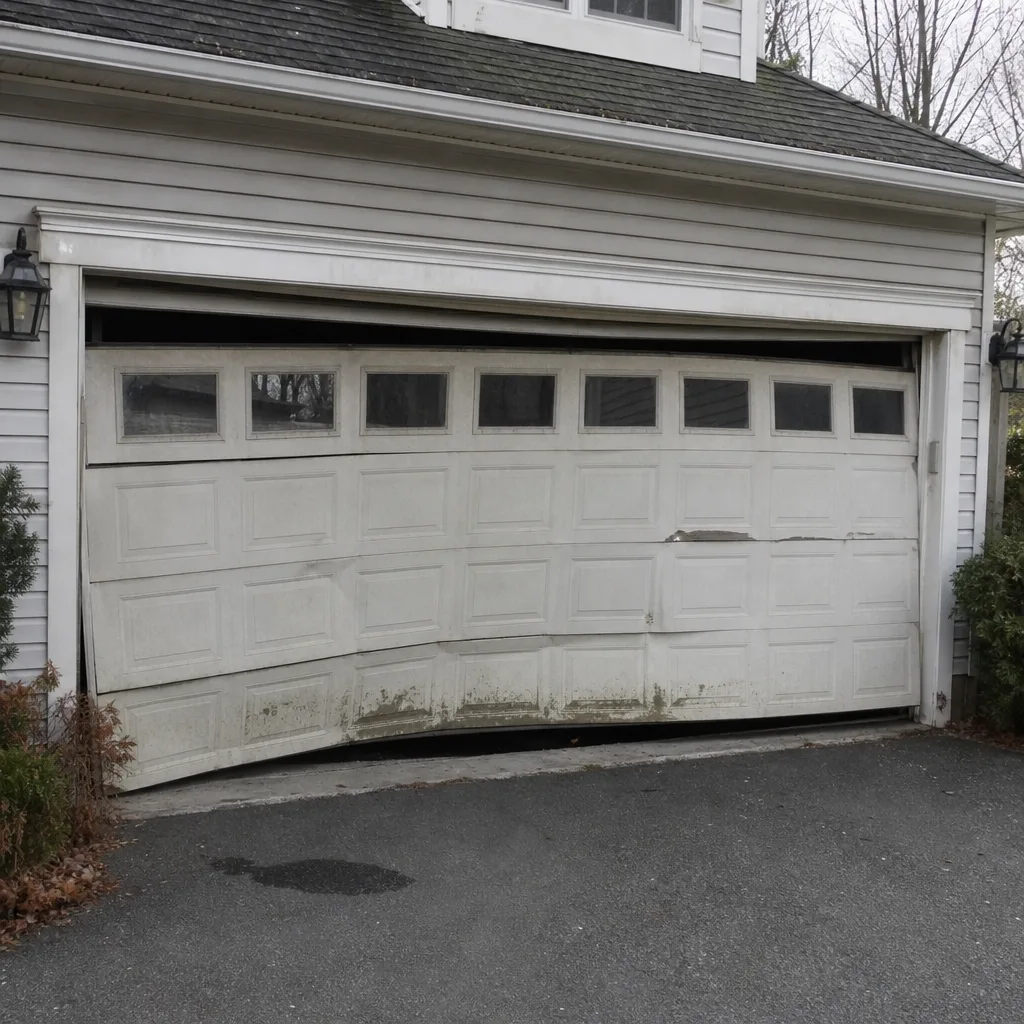 Before
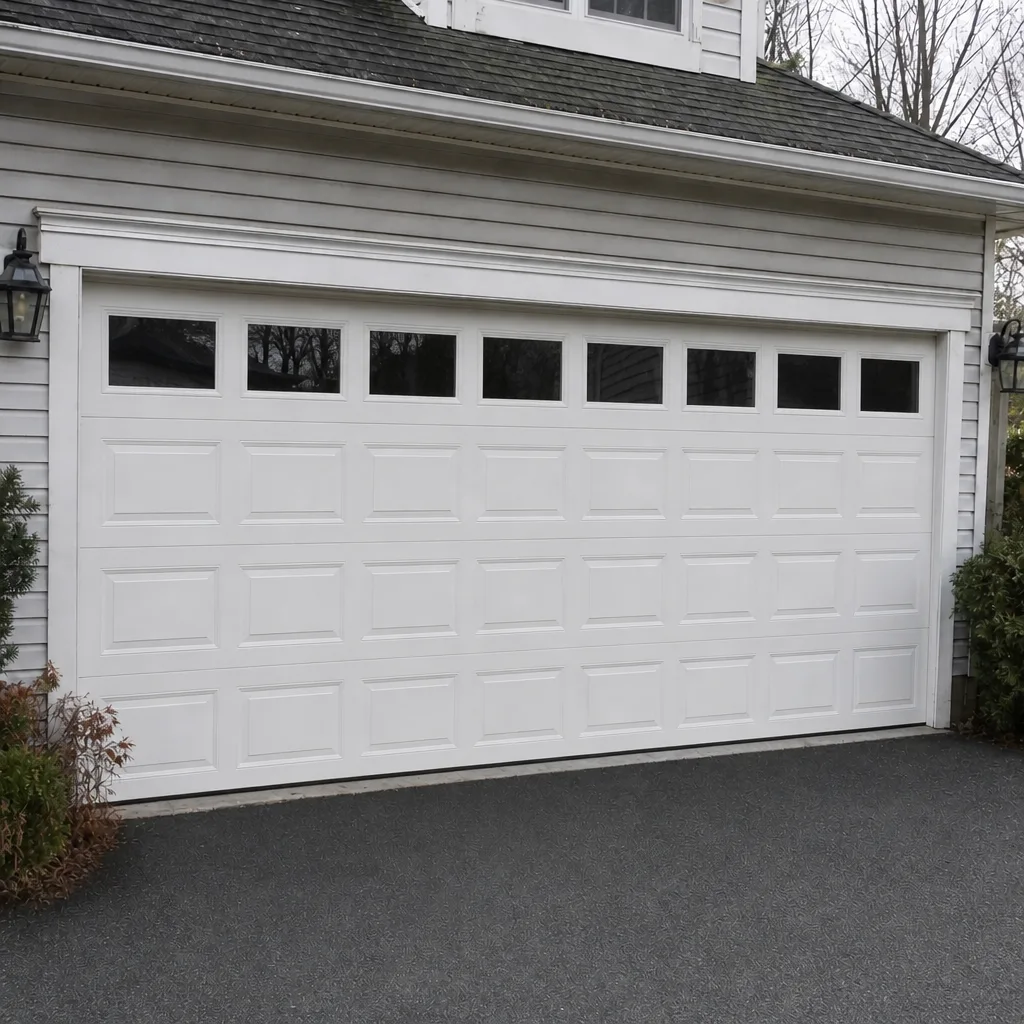 After
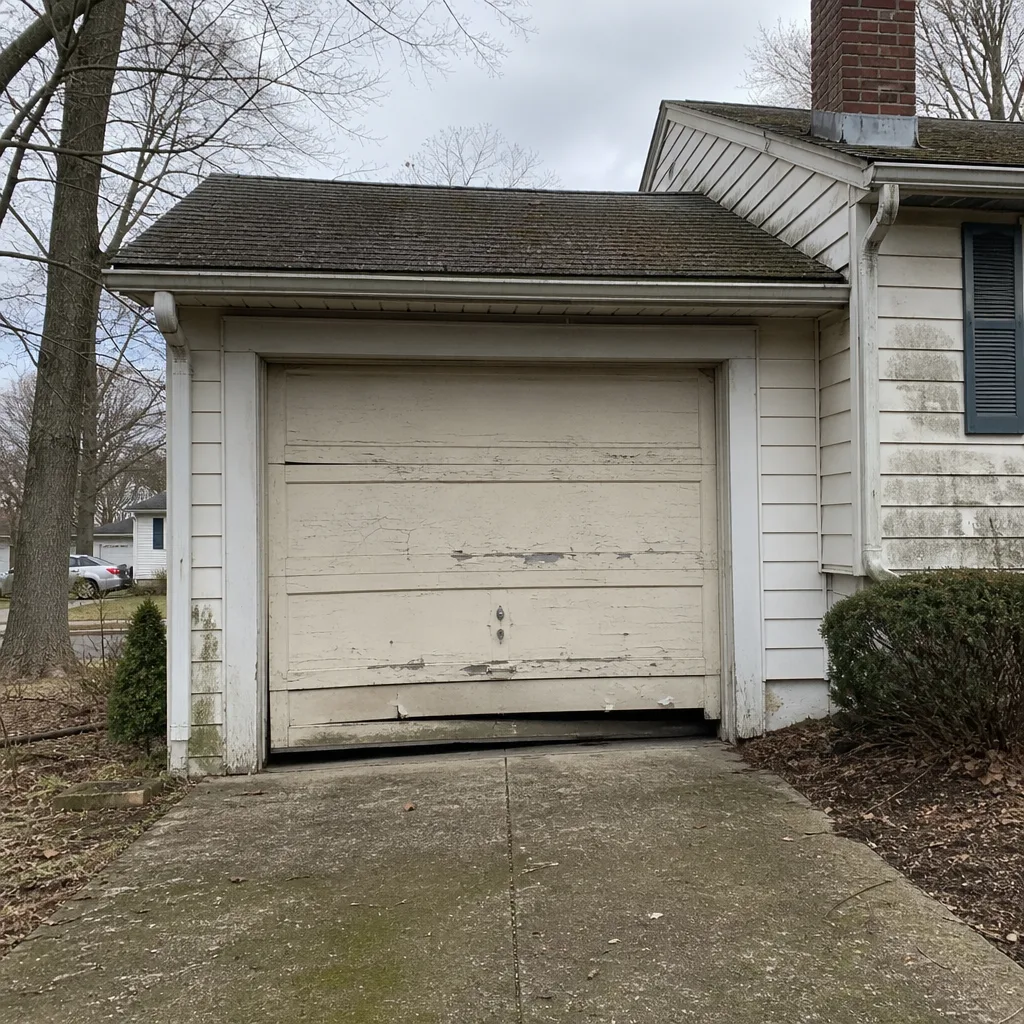 Before
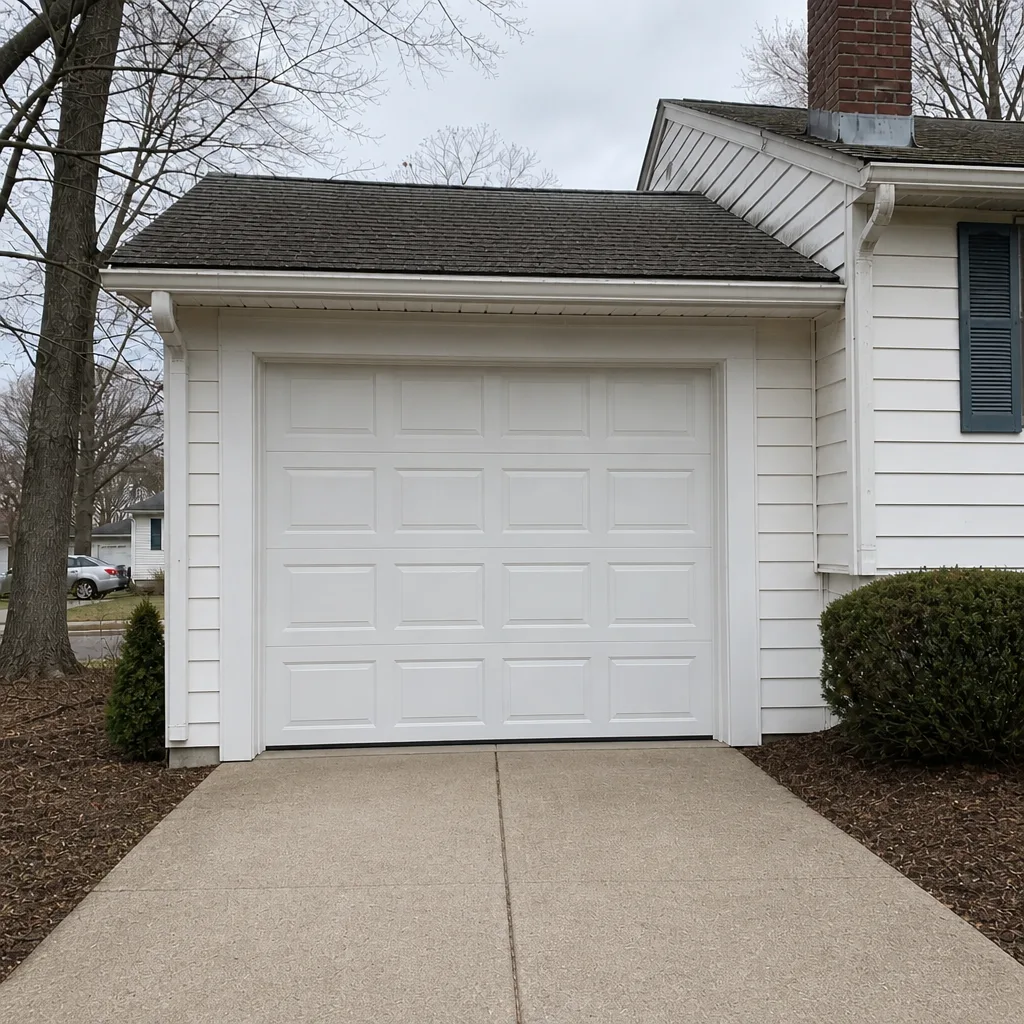 After
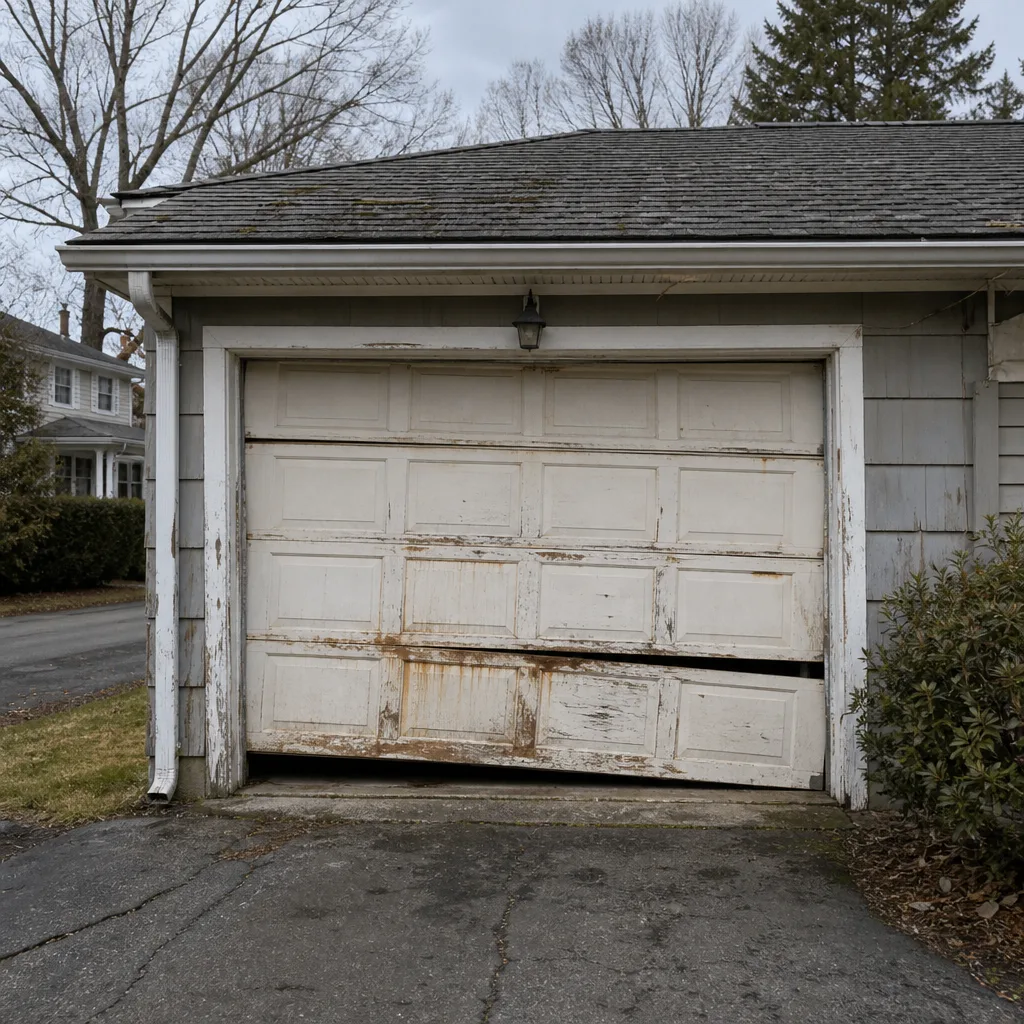 Before
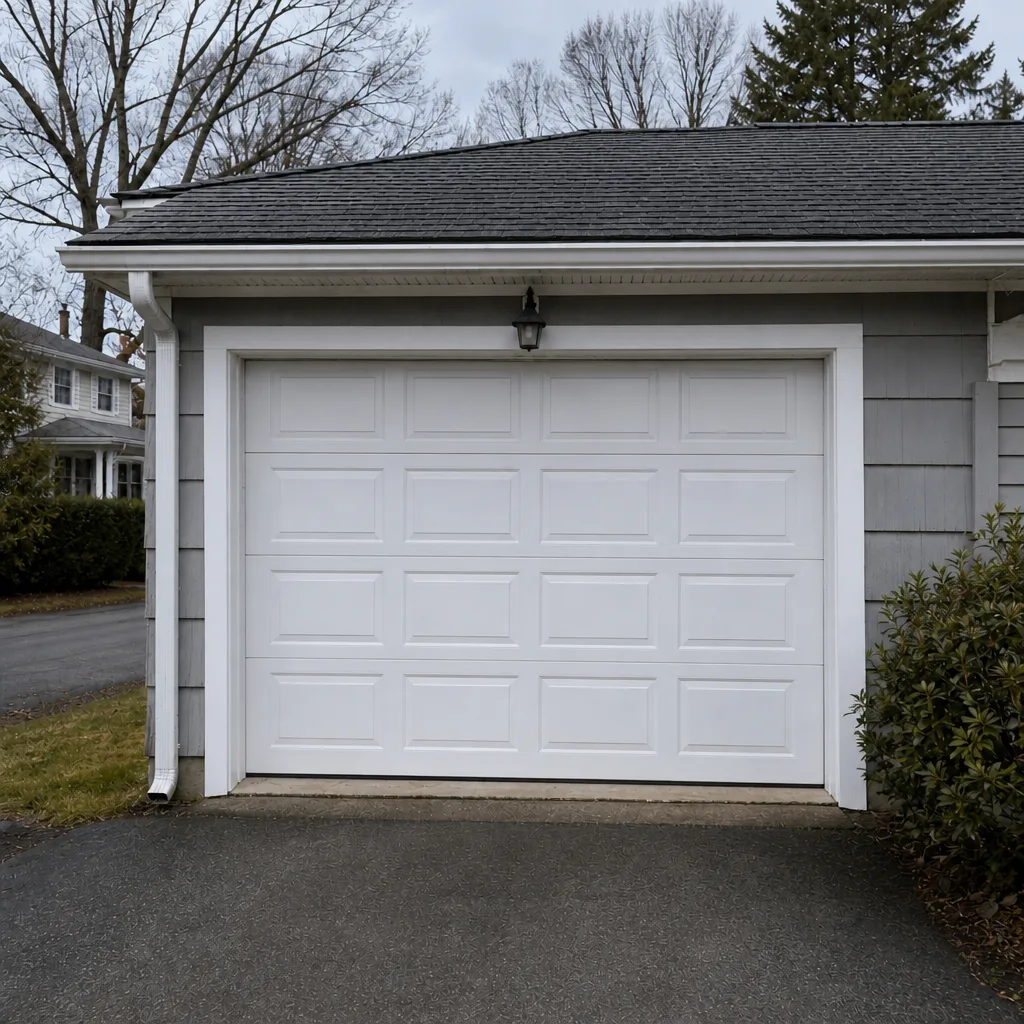 After
When to Call a Professional
Some garage door problems are safe to watch and some are not. Call a professional the moment you notice a snapped spring, a cable that’s come off the drum, a door that hangs unevenly, a garage door that won’t reverse on obstruction, or a door that slams shut instead of lowering smoothly. Call immediately if the door is stuck open overnight or stuck shut when you need to leave; a door that won’t secure is a daily problem, and a door that won’t open is a daily obstacle.
Springs and cables are the two components you should never troubleshoot yourself. They sit under dangerous tension and a slip can cause serious injury. Same for electrical work at the opener or any rewiring at the wall console. A trained professional with proper tools and the right safety protocol is the only sensible call.
Princeton Garage Door Repair Pros offers free estimates in Princeton. Call (855) 337-2012. We answer 24/7. Fast dispatch from 7am to 7pm, Sunday through Friday.
Frequently Asked Questions
Spring repair estimates in Princeton vary by spring type, door weight, and whether one or both springs are replaced. A single torsion spring typically falls in the low hundreds, and a matched pair usually runs about twice that because the pair is replaced together. The written estimate sets the final price, and it’s quoted and agreed before any work starts. Call (855) 337-2012 for an exact quote; estimates are free.
Yes for urgent repair calls. A door stuck open overnight or stuck shut when you need to leave is treated as urgent, not scheduled for next week. We answer 24/7, and fast dispatch runs from 7am to 7pm, Sunday through Friday. Call (855) 337-2012 and we’ll get you on the schedule.
New Jersey does not issue a standalone garage door contractor license. Residential work requires Home Improvement Contractor registration with the Division of Consumer Affairs and a written contract that meets the state’s Home Improvement Practices rules. The local pro we connect you with is licensed and insured as their state requires. Ask for the HIC registration number and an insurance certificate before any work begins.
No. The written estimate is quoted and agreed before any work starts, and that estimate sets the final price. If the inspection reveals a genuinely different problem than the one you described, you’ll hear about it before anything changes. Call (855) 337-2012 for a free estimate.
Possibly. Permit rules vary by municipality in New Jersey, so call Princeton’s building department and ask whether your specific job requires one. Then ask the contractor to confirm they’ll pull the permit if it applies. A contractor who skips the permit can leave you with a problem at resale or inspection.
Ask about the brands on your own door and opener first, then ask which ones the contractor carries parts for. A specialist should be able to speak to LiftMaster, Chamberlain, Genie, Clopay, Amarr, Wayne Dalton, Craftsman, and Raynor without hesitation. If the answer is “we work on all of them” with no detail, ask a follow-up question about a specific model and see how the answer holds up.
Spring life depends on the cycle rating of the spring and how often your door runs. Standard torsion springs carry a cycle rating, and higher-rated springs last longer at a higher cost. Ask the contractor for the cycle rating they’re proposing and match it to your daily opens and closes. A written cycle guarantee makes the difference concrete.
The Bottom Line
Hiring a garage door contractor in Princeton is a vetting exercise, not a bidding war. Verify HIC registration and insurance. Ask the five technical questions and write down the answers. Read the estimate line by line and refuse vague line items. Confirm the permit status with your town. Get parts, labor, and spring cycle warranties in writing. And never let an untrained hand near the springs. The quote that survives all five checks is the one worth signing, even when it isn’t the cheapest. For a free estimate, call (855) 337-2012. We answer 24/7. Fast dispatch from 7am to 7pm, Sunday through Friday. You can also read more on garage door spring repair and garage door opener repair.
Written by the team at Princeton Garage Door Repair Pros.