
Last updated November 22, 2026
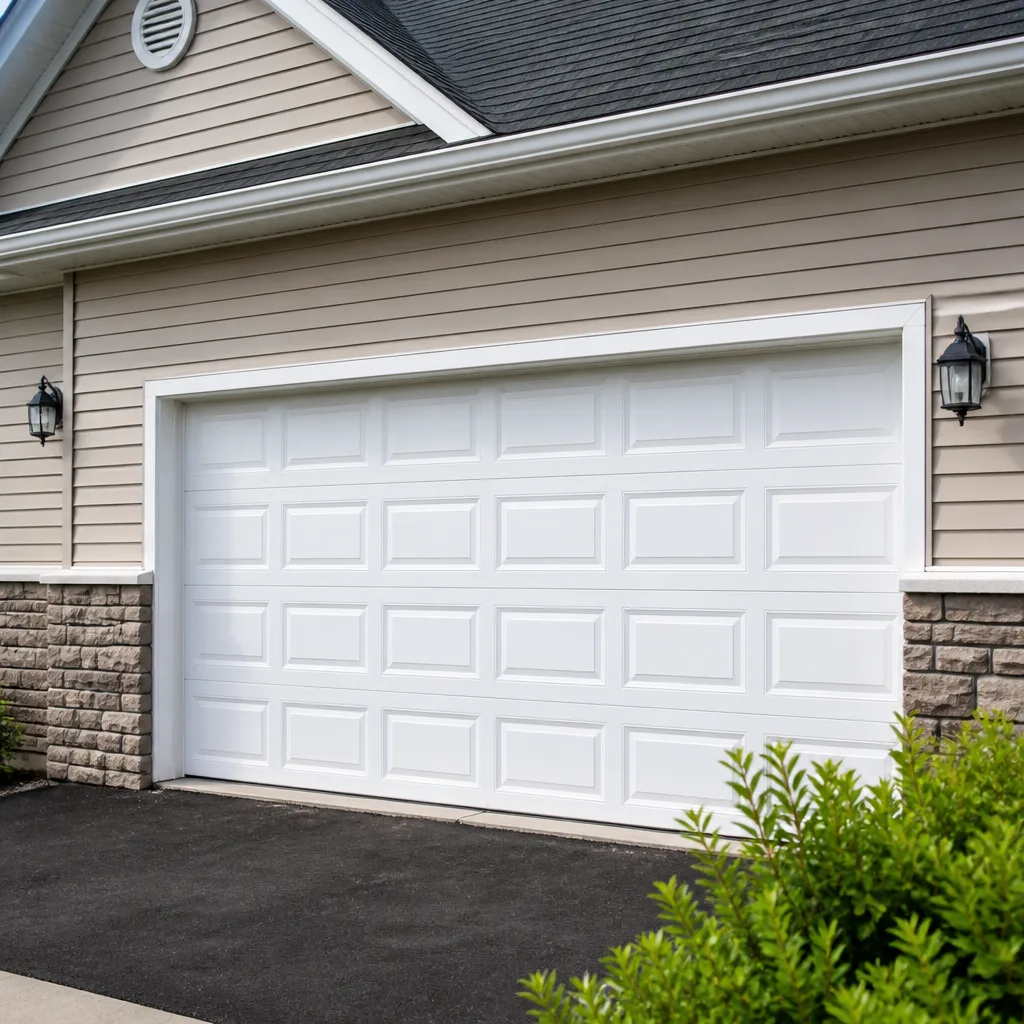 Raised-panel steel
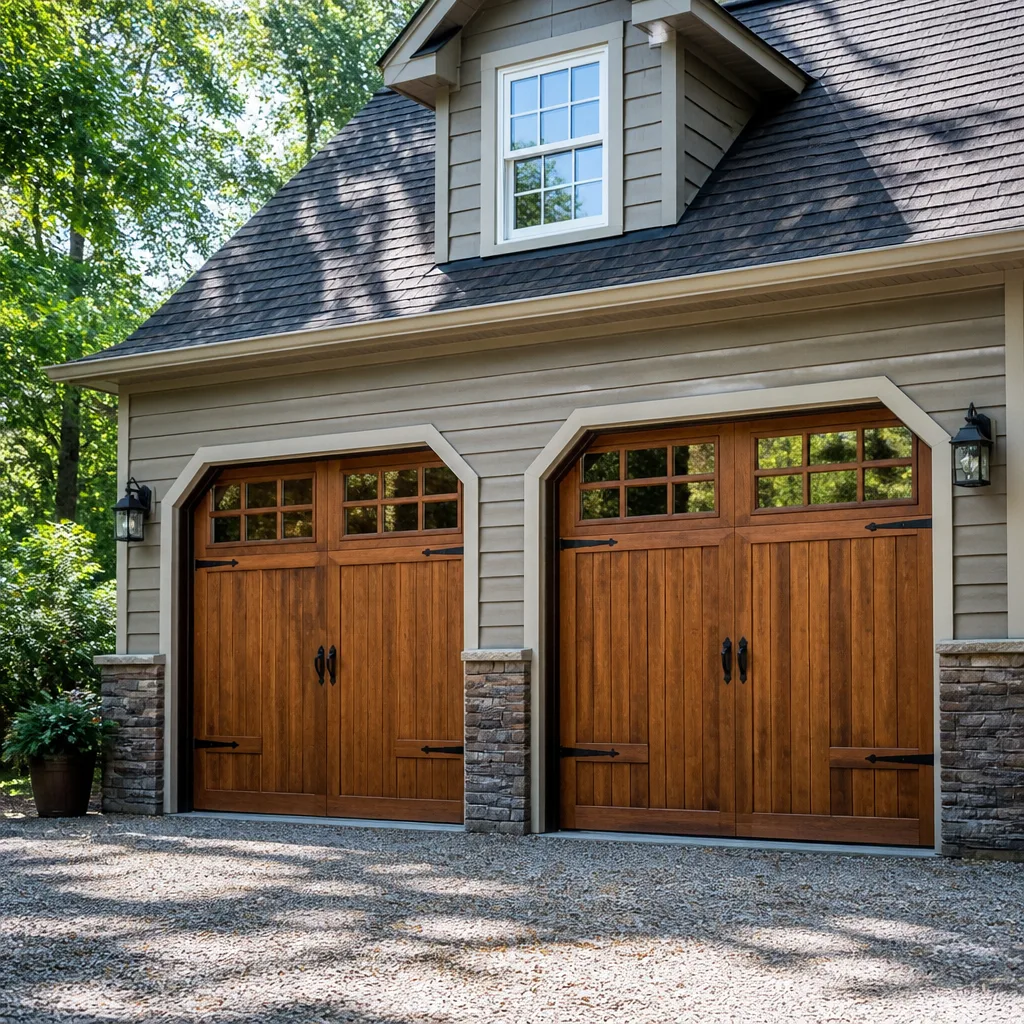 Carriage house
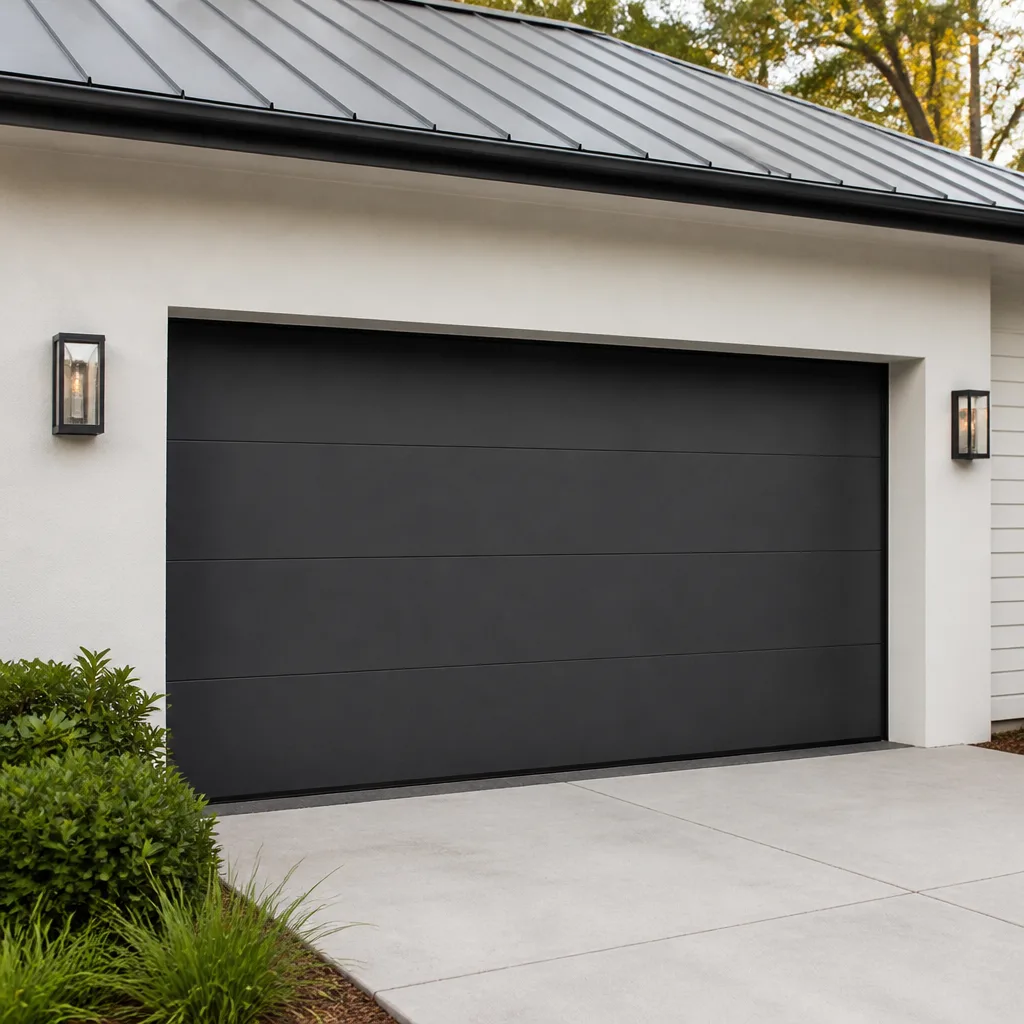 Modern flush
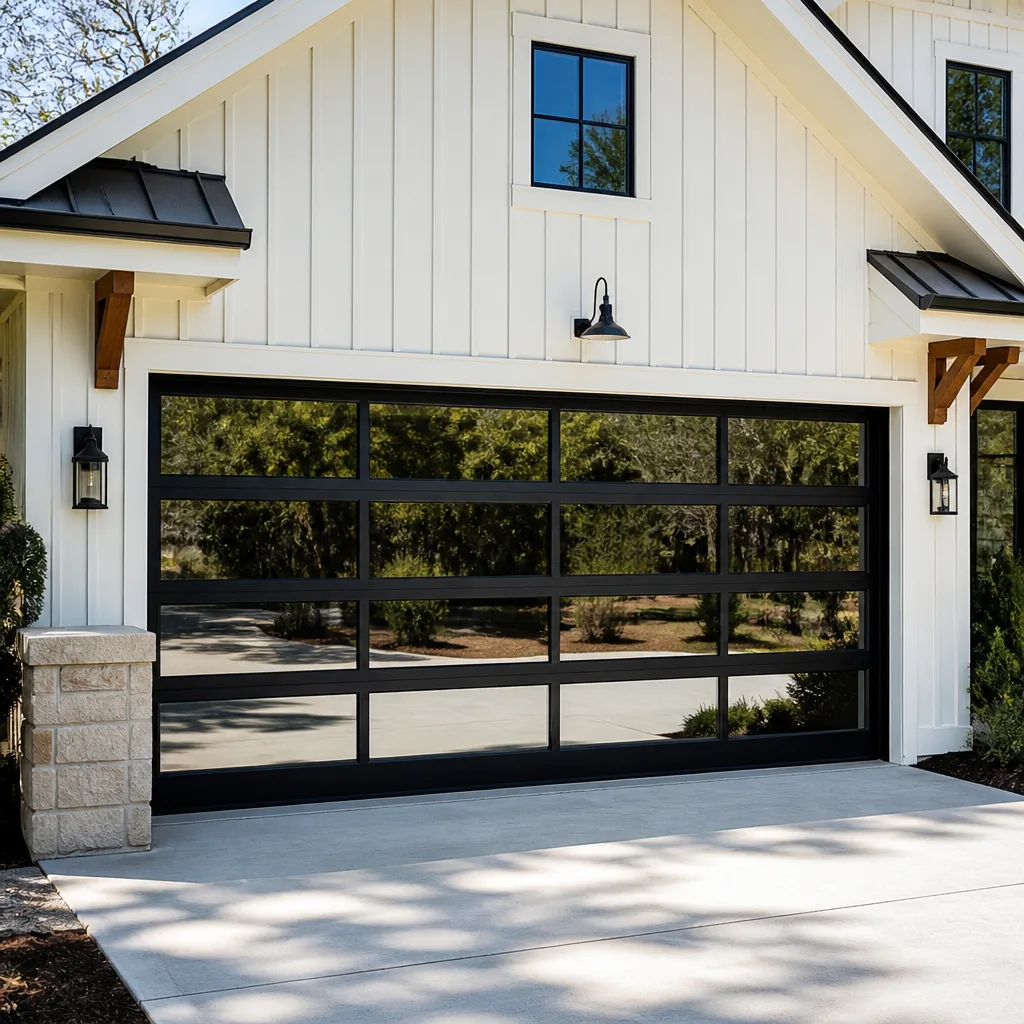 Full-view glass
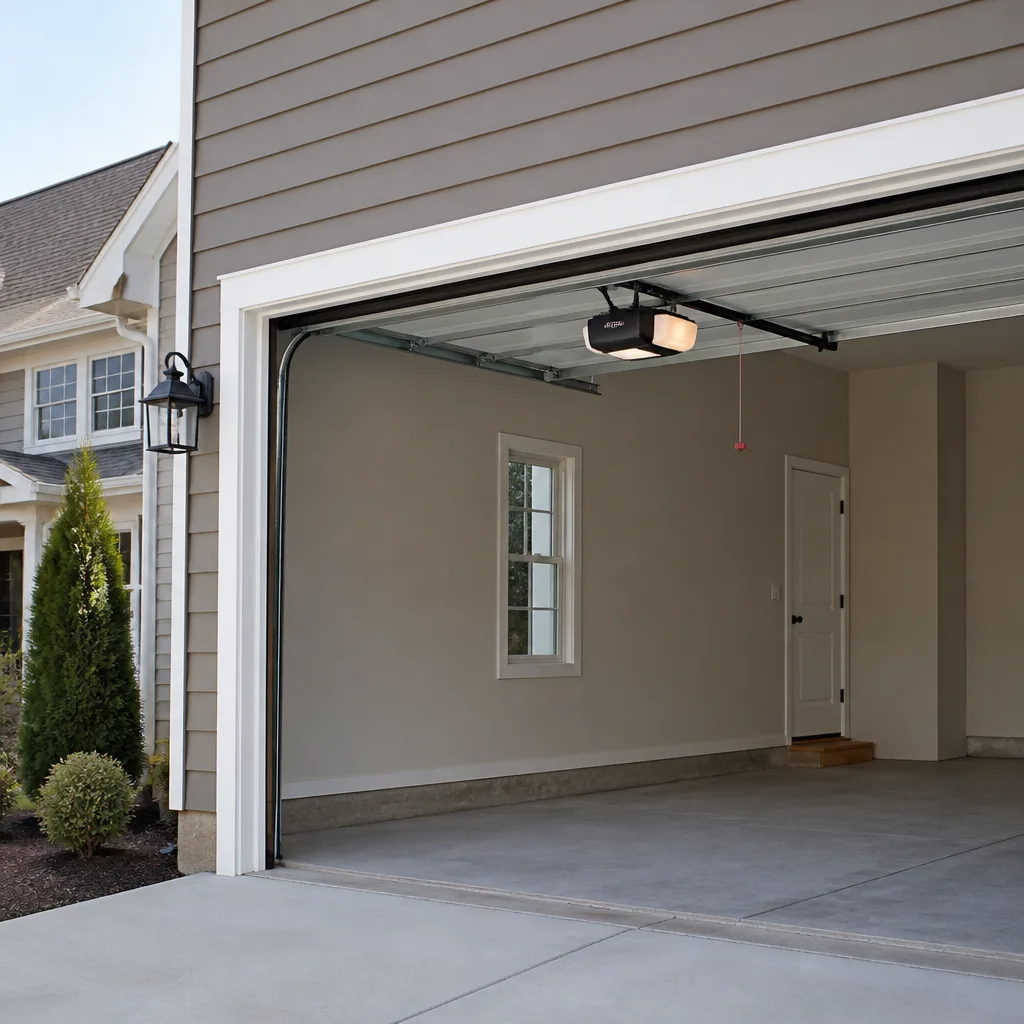 LiftMaster openers
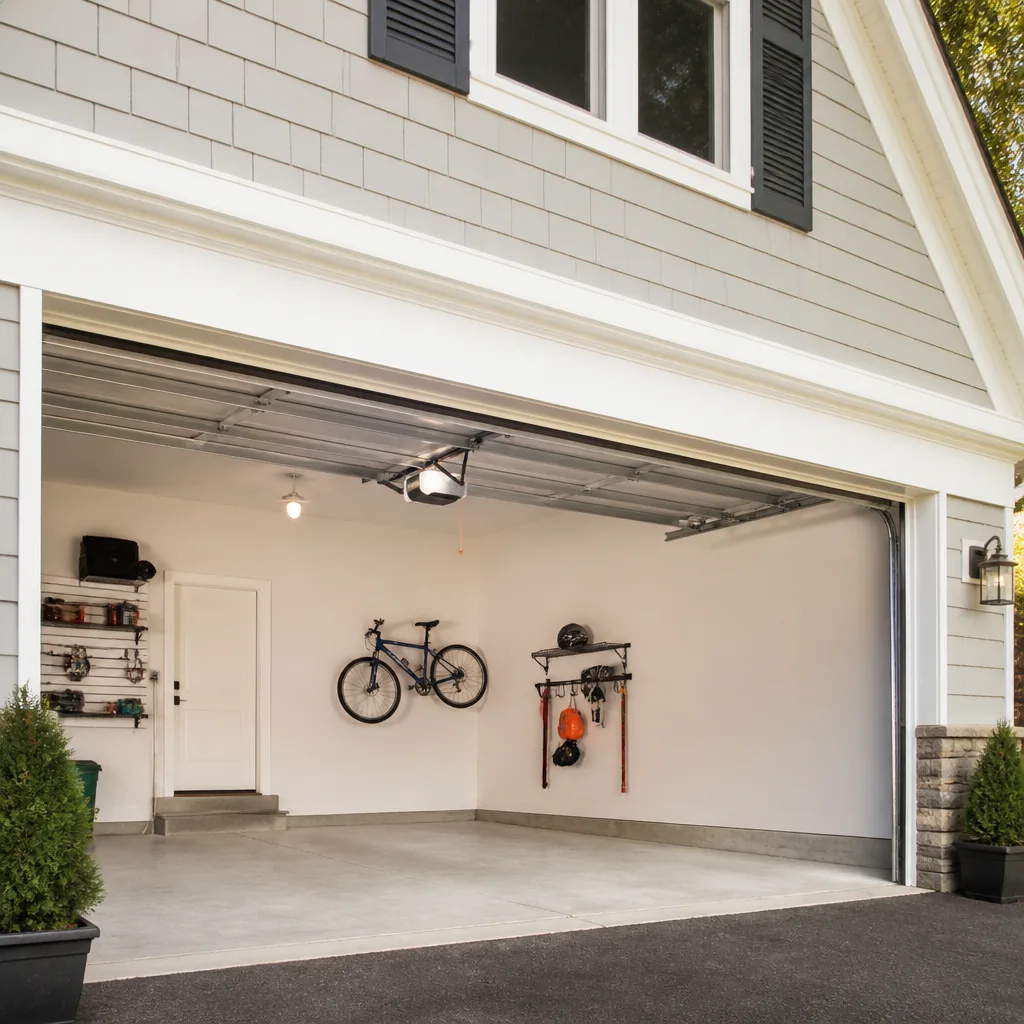 Chamberlain openers
Full 25-point door and opener safety check with every visit - springs, cables, rollers, tracks, and your LiftMaster or Chamberlain opener included
You get a price before we start. It does not change when the pro arrives.
Get your free estimateGarage Door Warning Signs: A Princeton Homeowner’s Reference Guide
Most garage door failures announce themselves well before the door quits. The problem is that few homeowners know what “normal” looks, sounds, and feels like, so the early evidence goes unread. A door that takes two seconds longer to open than it did last month isn’t “getting old” – it’s telling you the spring tension is dropping, and you have roughly 30 to 60 days before it either stops opening entirely or snaps under load. This guide teaches you to read your door the way a technician does, turning a vague “it seems off” into a specific, actionable diagnosis. We’re writing it from Princeton, where the housing stock and the seasons both leave their marks on the largest moving part of your home.
Quick Answer
The main warning signs of a failing garage door are a door that opens slower than it used to, grinding or popping sounds, a visible gap in a spring, frayed cables, jerky or reversing opener travel, and dented or warped panels. Any one of these means the door needs inspection before it fails completely. Treat a snapped spring, a frayed cable, and a door that reverses on its own as stop-use signals and call a professional rather than testing further.
Styles & brands we work with
- Raised-panel steel
- Carriage house
- Modern flush
- Full-view glass
- LiftMaster openers
- Chamberlain openers
Table of Contents
- What Your Garage Door’s Sounds Are Telling You
- The Flashlight-and-Straightedge Visual Check
- The Manual Lift Test: Are Your Springs Carrying the Load?
- Opener Behavior: What Reversing, Jerking, and Pausing Mean
- Warning Signs Specific to Princeton’s Door Types
- Seasonal Warning Signs in Princeton’s Climate
- Common Mistakes to Avoid
- When to Call a Professional
What Your Garage Door’s Sounds Are Telling You
Sound is the first language your door speaks, and each noise points to a different component. Once you can separate them, you’ll know whether you’re dealing with a twenty-dollar roller, a worn opener gear, or a spring that’s about to let go.
- Grinding usually comes from the rollers or the tracks. Worn steel rollers, dry bearings, or a track that’s been nudged out of alignment produce a low, continuous grind as the door travels. Grinding that gets louder near the top of travel often means a roller is binding in the curved section of track.
- Popping points toward the torsion spring or the cables. A single sharp pop as the door starts to move can mean the spring is slipping on its shaft or a cable has jumped a drum. This one deserves a stop-and-inspect response.
- Squealing is almost always metal-on-metal friction – dry hinges, a dry opener rail, or rollers that have lost their lubrication. It’s the least urgent of the four but the easiest to fix early.
- Rhythmic thumping follows the rotation of a specific part. A thump once per revolution usually means a bent or flat-spotted roller. A thump tied to the opener’s chain or belt suggests a loose chain, a worn sprocket, or a chain that’s slapping the rail.
One more sound worth knowing: a rapid, clicking rattle from the opener head itself often means the logic board or the gear assembly inside a LiftMaster or Chamberlain unit is failing. Those brands are among the most common we work on in Princeton, and their internal gears wear in a predictable way that announces itself with that rattle before the door stops responding.
How to use this: stand in the garage, run the door, and listen for which category the noise falls into. If it’s grinding or squealing, note where in the travel it happens. If it’s popping, stop running the door and move to the visual check below.
The Flashlight-and-Straightedge Visual Check
All you need for this check is a flashlight and any straight edge – a level, a framing square, even a ruler. You’re looking for three things: spring gaps, cable fraying, and panel bow. Do this with the door closed and the opener disconnected from the equation (just look, don’t touch the moving parts).
- Inspect the torsion spring (the horizontal spring above the door). Shine the light along its length. A healthy spring is one continuous coil. A visible gap – even a thin sliver of daylight between coils – means the spring has started to fail and is under reduced tension. A gap is a warning; a full separation is a stop-use signal.
- Inspect the cables. These are the thin steel cables running down each side. Look for fraying, kinks, or a cable that’s come off its drum. A frayed cable with broken strands is a serious safety issue and should be treated as urgent.
- Check panel alignment with the straightedge. Hold it vertically against the door’s center. Gaps between the straightedge and the panel mean the door has bowed. A bowed top or bottom section puts uneven load on the springs and the opener.
- Look at the bottom section. The bottom panel takes the most impact and the most moisture. Check for rust, separation at the seams, and dents that have pushed the panel out of line with the rest of the door.
- Check the hinges and rollers. Worn hinges will look loose or cracked. Rollers should sit fully in their tracks – a roller popped out of the track is a stop-use signal.
Write down what you find. A specific note like “gap in torsion spring, left third” turns a service call into a fast diagnosis, whether you’re calling us or comparing quotes. If you spot a frayed cable or a separated spring, don’t run the door again – that’s the moment to stop and call.
The Manual Lift Test: Are Your Springs Carrying the Load?
Your springs do the heavy lifting. The opener only steers. If the springs are losing tension, the opener quietly works harder and harder until something gives. The manual lift test tells you whether the springs are still doing their job.
Here’s how it works in principle (and why we recommend a technician perform it if you’re at all unsure): with the door closed, you disconnect the opener by pulling the release handle, then lift the door by hand about halfway and let go. A door with healthy springs should stay put, balanced, roughly where you left it.
- If the door drops on its own, the springs are under-tensioned or failing. This is the classic sign that tension is bleeding out.
- If the door flies up on its own, the springs are over-tensioned – also a problem, and one that stresses the opener and the tracks.
- If it feels heavy, jerky, or binds on the way up, you likely have a combination of spring and roller or track issues.
A word of caution: this test involves lifting a heavy door and handling a disconnected opener, and if the door comes down unexpectedly it can injure you. If the door feels wrong at any point, let it settle and stop. We’d rather you call and have us check the balance than risk a hand or a back. If a spring is already broken, do not attempt this test at all – a door with a broken spring is dangerously heavy and can fall.
Homeowners in Princeton’s older homes often find this test fails quietly – the door comes down slowly rather than slamming, which reads as “fine” but is exactly the sign of a spring on its way out. That slow drop is the 30-to-60-day warning window in action.
Opener Behavior: What Reversing, Jerking, and Pausing Mean
The opener is the brain of the system, and its behavior is a running diagnostic. Three patterns matter most.
Reversing immediately after closing. A door that goes down a foot and then reverses is usually tripping its safety sensors or its force setting. Sometimes it’s an obstruction in the sensor beam; often it’s a force setting that’s drifted out of calibration. On smart-home-integrated units like LiftMaster and Chamberlain’s myQ ecosystem, the force setting can be adjusted through the app or the wall control – but if you’re re-adjusting it repeatedly, the underlying problem is mechanical, not electronic.
Moving in jerks. A door that stutters or lurches as it travels is fighting something – a binding roller, a track that’s out of alignment, or an opener that’s straining against a door the springs are no longer balancing. Jerky travel paired with a door that’s heavy to lift by hand points squarely at the springs.
Pausing mid-travel. A door that stops partway up or down and then resumes (or doesn’t) is often showing you a failing logic board or a thermal overload in the opener motor. On older Craftsman and Genie units, this is a common end-of-life symptom; the opener’s control board degrades and the travel limits drift. If your opener pauses in the same spot every time, that’s a control-board clue, not a door clue.
Here’s the rule of thumb: if the door itself is heavy or binding, the problem is the door and the opener is a symptom. If the door moves freely by hand but the opener still misbehaves, the problem is the opener. That distinction decides whether you need garage door opener repair or door-side service. We sort that out on every diagnostic call, because guessing wrong wastes your money.
Warning Signs Specific to Princeton’s Door Types
Princeton’s housing stock runs from century-old homes near the university to newer construction on the edges of town, and the door types follow. Each has its own failure signature.
- Wood composite doors are common on older Princeton homes. Watch for warping at the bottom section, where moisture collects. A warped bottom panel throws the whole door out of balance and stresses the springs unevenly. Look for paint blistering or a gap opening at the panel seams – both signal moisture intrusion.
- Steel panel doors are everywhere in Princeton’s newer subdivisions. The failure signature is denting at the bottom section – from a car bumper, a kid’s bike, or a stray ball. A dented bottom panel can bind against the track and cause the jerky travel covered above. Check the bottom edge after any impact; a small dent catches the eye but a bowed panel behind it doesn’t.
- Aluminum frame doors on older models show corrosion at the frame joints, especially where the sections meet. Look for white powdery buildup or pitting along the frame. Corroded frames can seize a roller and put the door out of alignment.
We work on the brand you already have – Clopay, Amarr, Wayne Dalton, and Raynor among them – which matters in Princeton because the town’s mix of older and newer homes uses all of these. Knowing the panel tolerances and hardware on a specific brand turns “replace the door” into “replace the panel,” when that’s the right call.
Seasonal Warning Signs in Princeton’s Climate
Princeton’s seasons work on your door in predictable ways, and the warning signs cluster around the transitions.
Winter cold stiffens the lubricant in rollers and hinges and contracts metal, which is why a door that ran smoothly in October starts to grind or drag in January. Cold also makes springs more brittle – a spring already near the end of its life is most likely to snap in a cold snap, which is why we see a spike in spring work in the coldest weeks. In summer, humidity swells wood composite panels and can open seams that looked tight in spring.
Spring and fall are when temperature swings move the door’s clearances and when a door that “seemed fine” starts to show its first symptoms. Princeton’s freeze-thaw cycles also work on the concrete and the track alignment, so a door that suddenly binds after a cold snap may be tracking a shifted track rather than a failing component.
The practical takeaway: run your door a few times and listen when the seasons turn. Fall is the best time to catch a weakening spring before winter puts the load on it, and spring is the time to check for winter damage and panel warping.
If a door fails on a Saturday – the one day we’re closed – call us and we’ll book you in for Sunday. We answer 24/7, and we dispatch technicians Sunday through Friday, 7am to 7pm.
Common Mistakes to Avoid
- Ignoring a slower door. A door that takes two seconds longer than it did last month is the single most reliable early warning sign there is. Dismissing it as normal wear is how a $200-ish spring repair becomes a full door or opener replacement. Slow down and note it.
- Lubricating a broken spring. Grease on squeaky hinges is fine. Grease on a torsion spring that’s lost tension changes nothing and gives you a false sense of security. Springs fail from metal fatigue, not from lack of oil – get the gap checked before you assume lubrication fixed it.
- Repeatedly resetting the opener’s force limits. If you’re bumping the force setting up every few weeks to get the door to close, you’re masking a door problem with an opener adjustment. The force setting is a safety feature; overriding it repeatedly is dangerous.
- Testing a broken spring by running the door. A door with a snapped spring is extremely heavy and can come down hard. Don’t cycle it to “see if it’s really broken.” Look, don’t run it, and call.
- Assuming a dented panel means a new door. A single dented bottom section on a Clopay or Amarr door is often a panel replacement, not a full door. Don’t let a minor impact talk you into a major purchase.
- Putting off winter prep in Princeton. The cold is when tired springs fail. A quick fall inspection and lubrication catches the weak springs before the freeze does.
- Hiring a generalist for spring work. High-tension torsion spring work needs specific tooling and tension-management technique. A handyman who “can take a look” is the wrong call for a component that holds enough energy to cause serious injury.
When to Call a Professional
Some signs are “schedule a visit this week” and some are “stop running the door and call now.” The stop-use signals are: a snapped or visibly separated spring, a frayed or jumped cable, a door that’s come partially out of its track, and a door that’s dropped or hanging unevenly. Those are dangerous and should be handled by a trained technician, not tested further.
The schedule-a-visit signals are: a slower door, grinding or squealing, jerky opener travel, a door that reverses on its own, and any dent or warp that’s affecting the door’s movement. None of those means the door will fail this afternoon, but all of them get worse and more expensive if ignored.
Princeton Garage Door Repair Pros offers free estimates in Princeton – call (855) 337-2012. We answer 24/7, and we dispatch Sunday through Friday, 7am to 7pm. Our technicians have up to 14 years of experience, and we work on the brand you already have – LiftMaster, Chamberlain, Genie, Clopay, Amarr, Wayne Dalton, Craftsman, and Raynor – so diagnosis doesn’t depend on guesswork about parts or settings. When it’s urgent, we move urgently, and every price is set by a written estimate before any work starts.
See the difference
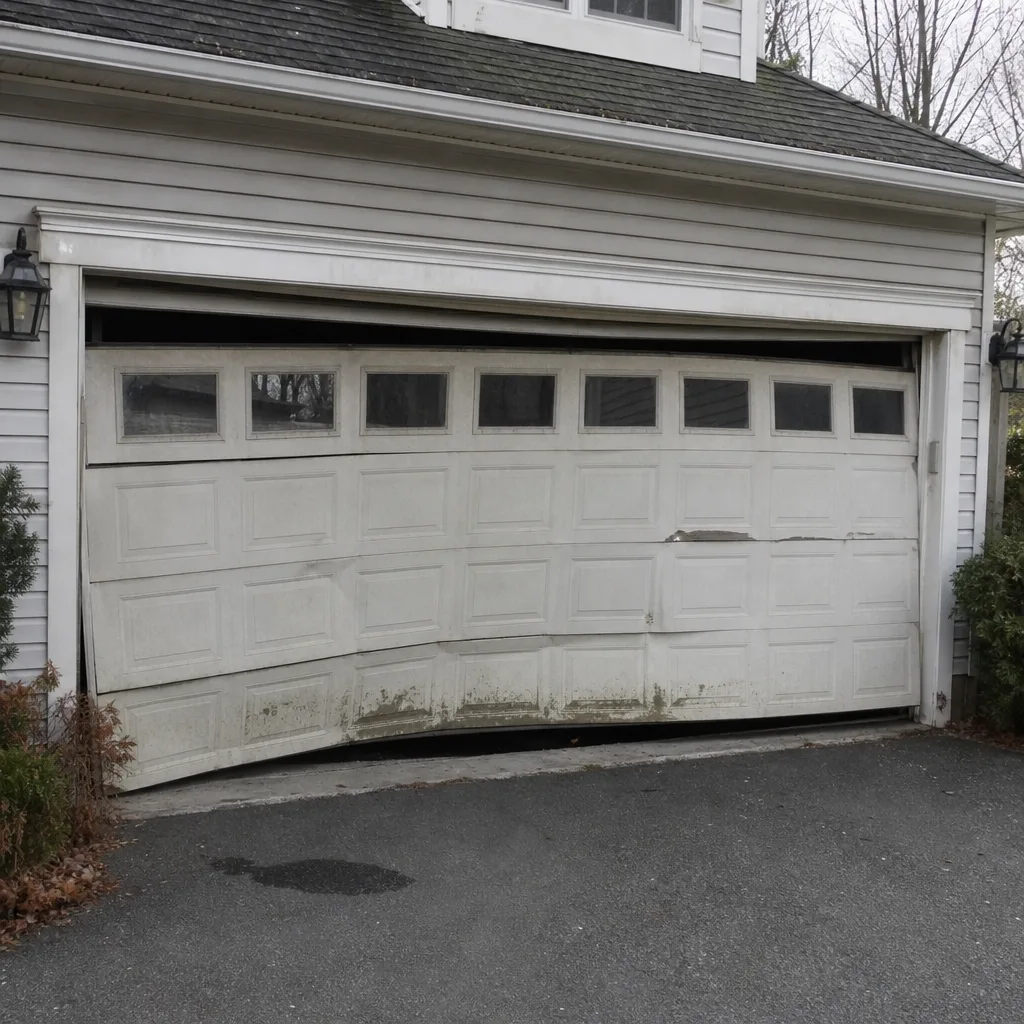 Before
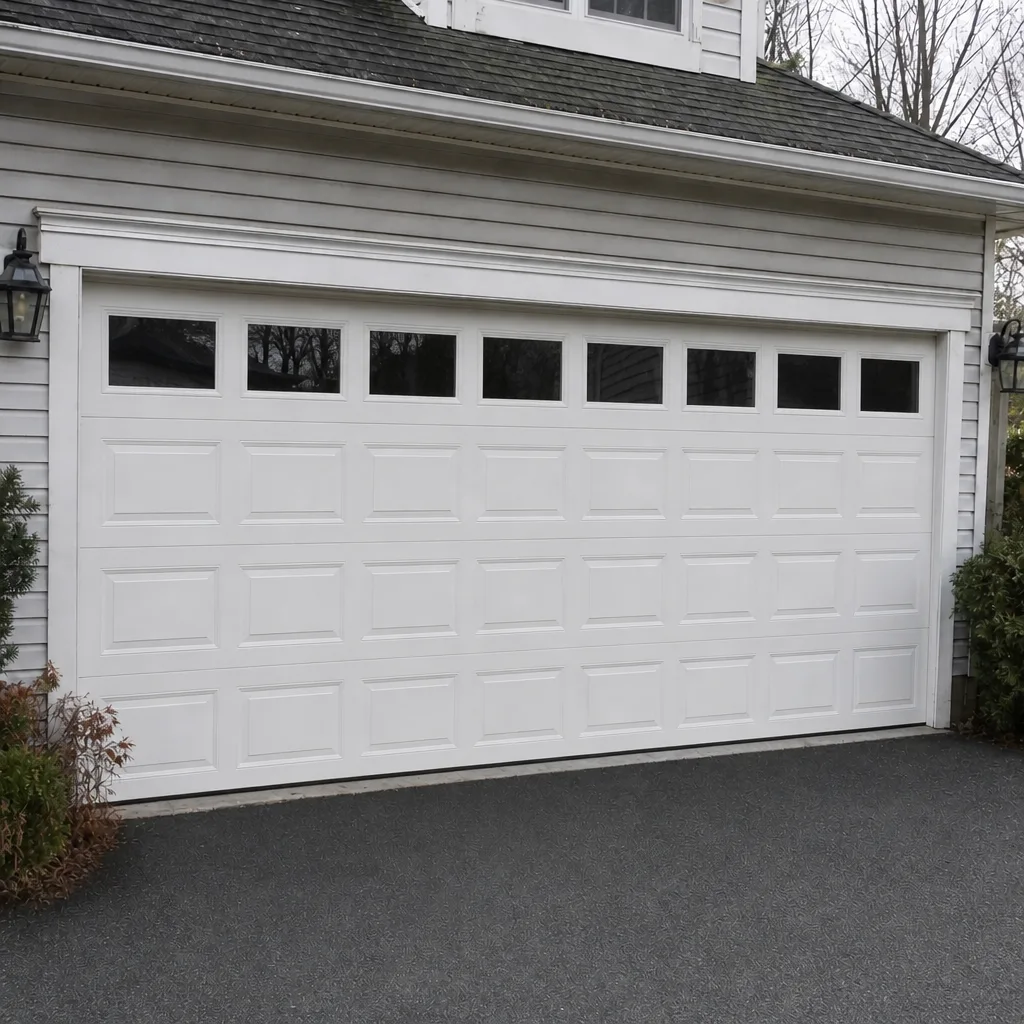 After
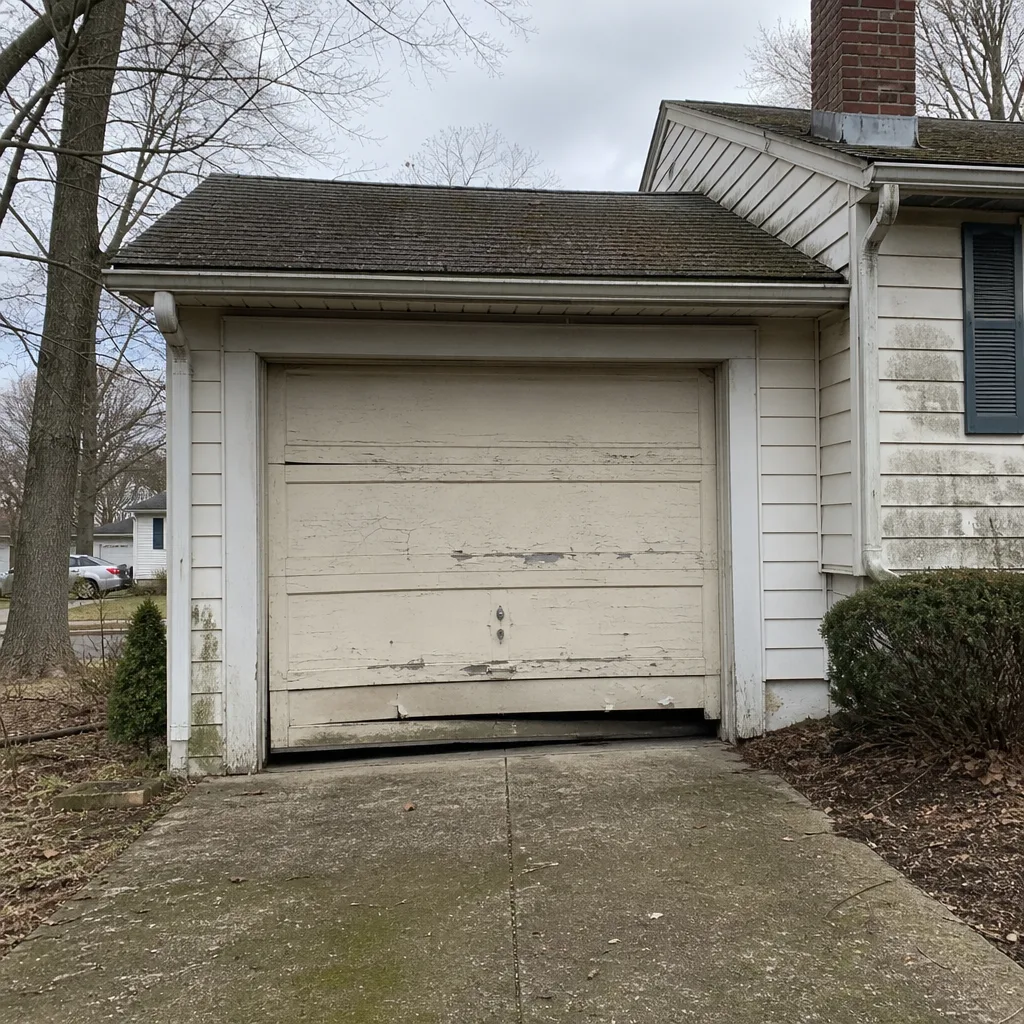 Before
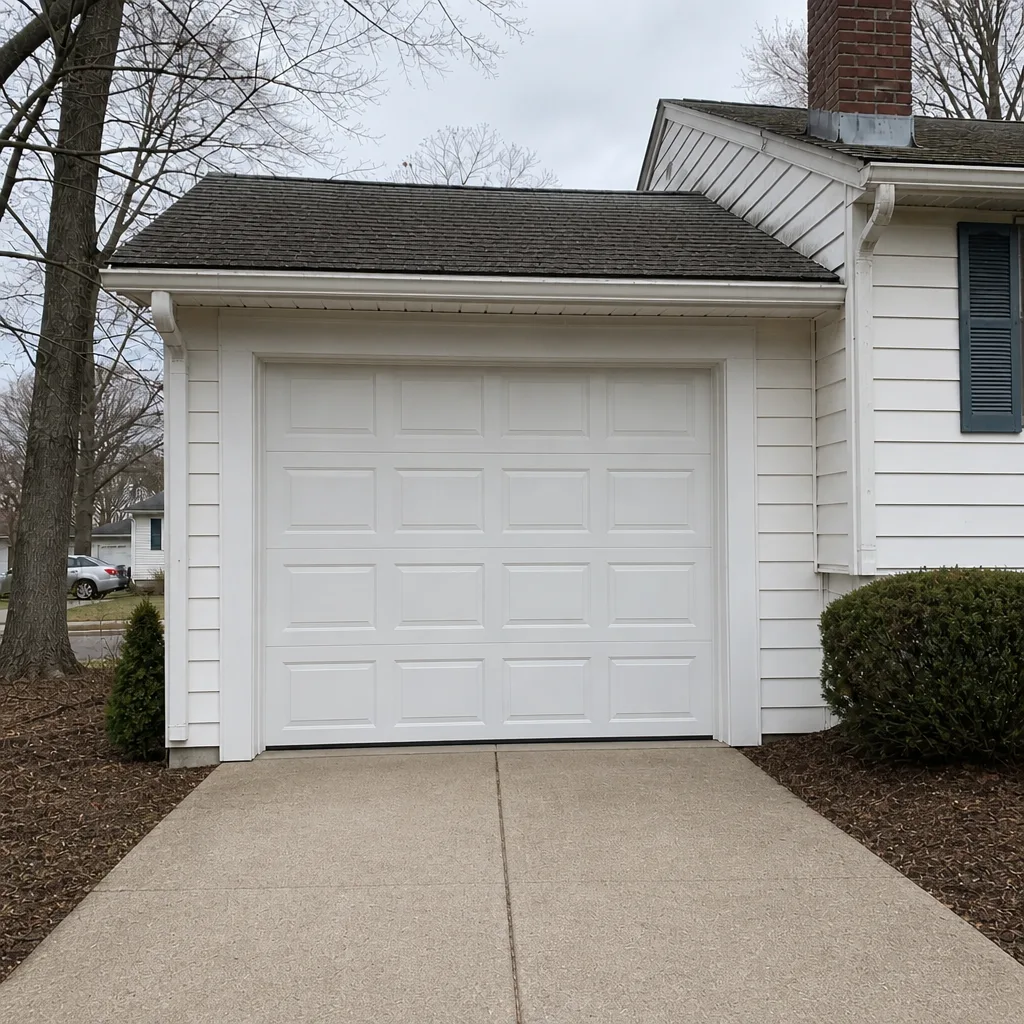 After
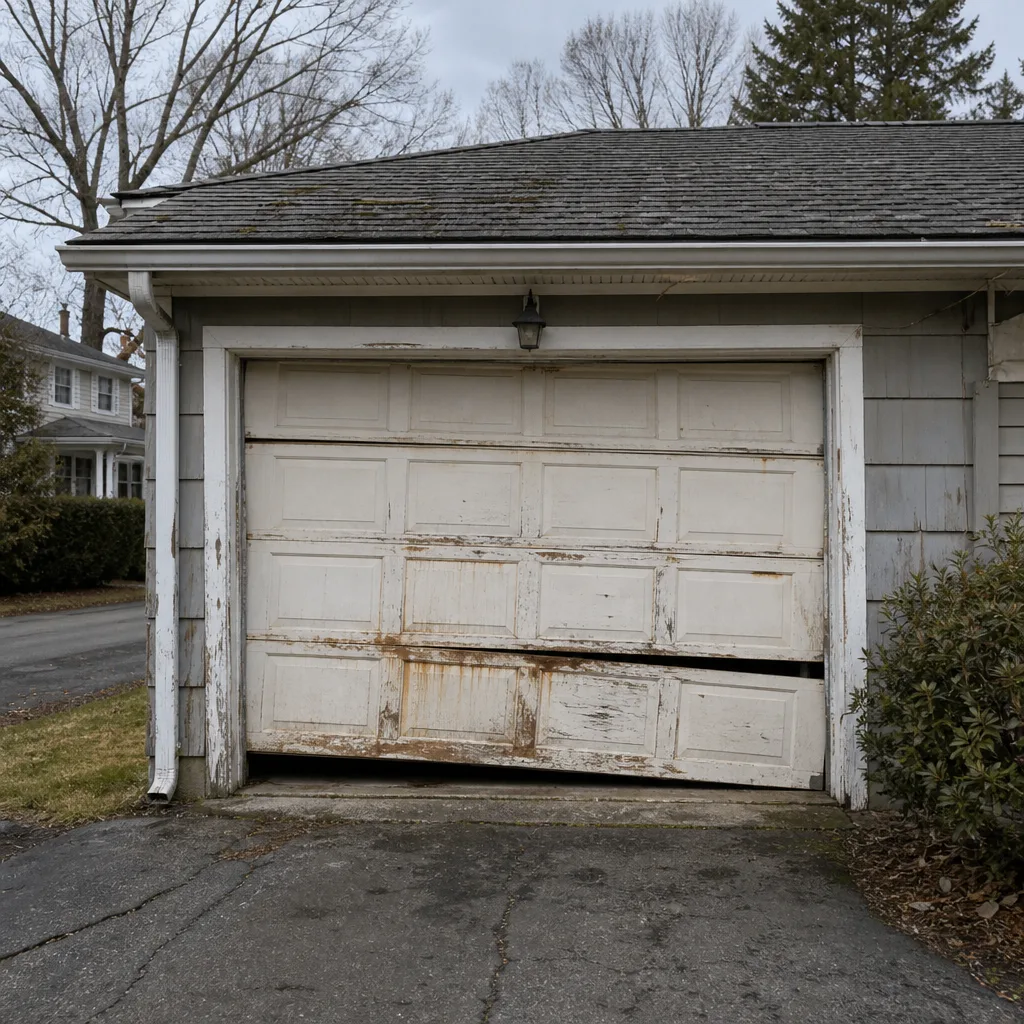 Before
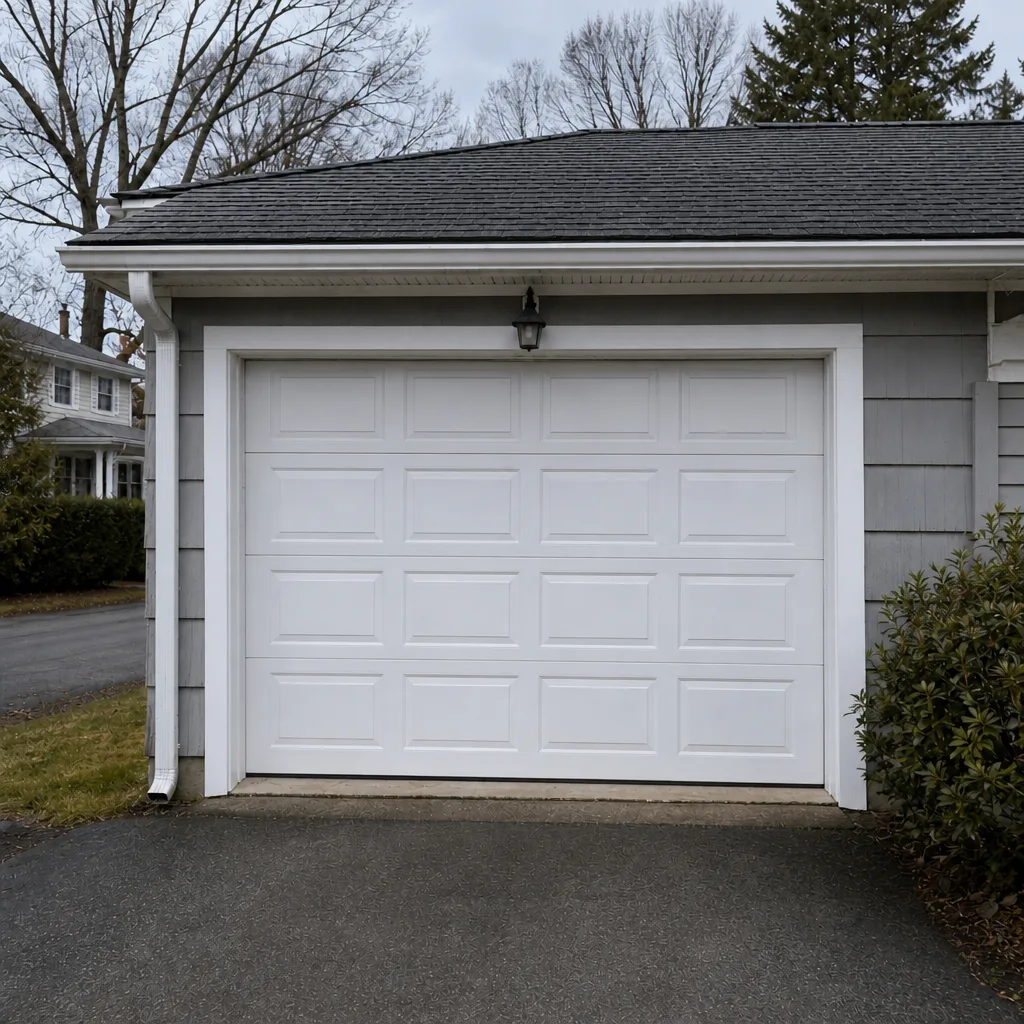 After
Frequently Asked Questions
The first sign is usually a door that opens more slowly than it used to, or a change in how it sounds when it runs. A slower lift means the springs are losing tension, and grinding or popping points to rollers, cables, or springs. Note the change and get the door inspected – the early window is when the fix is cheapest.
Spring repair in Princeton typically runs about $180 to $340 for one spring, and a matched pair is usually replaced together, so a pair costs roughly double that. The written estimate sets the final price, and we quote and agree on it before any work starts. Call (855) 337-2012 for a free estimate.
Same-day service is often available for doors that won’t open, and emergency service is a core offering for situations that can’t wait – a door stuck open overnight or stuck shut when you need to leave. Call (855) 337-2012. We answer 24/7, and we dispatch Sunday through Friday, 7am to 7pm.
A door that reverses immediately is usually tripping its safety sensors or its force setting, or it’s fighting a mechanical problem like a binding roller or a spring that’s lost tension. If you’re re-adjusting the force limit repeatedly, the real problem is mechanical and needs a technician’s look. Call (855) 337-2012 for a diagnosis.
Yes. A visible gap between the coils of a torsion spring means the spring has started to fail and is under reduced tension, which means the door is heavier than it should be and the spring is closer to snapping. Stop running the door and have it checked.
No – the price is quoted and agreed on before any work starts, based on what the technician finds. We’re upfront about pricing, and the written estimate sets the final price. Call (855) 337-2012 for a free estimate.
The local pro we connect you with is licensed and insured as their state requires. We work on the eight major brands – LiftMaster, Chamberlain, Genie, Clopay, Amarr, Wayne Dalton, Craftsman, and Raynor – and our technicians have up to 14 years of experience. Call (855) 337-2012 to book a visit.
The Bottom Line
Your garage door is the largest moving part of your home, and it leaves evidence before it fails. A slower lift, a new grind, a visible spring gap, a jerky opener, a warped bottom panel – each is a specific message from a specific component. Learn the four sound categories, run the flashlight-and-straightedge check a few times a year, and respect the manual lift test as a balance check rather than a DIY project. In Princeton, pay extra attention at the seasonal transitions, when cold and humidity do their worst. When a sign shows up, a quick inspection now beats a repair or replacement later.
Call (855) 337-2012 for a free estimate. We answer 24/7. Fast dispatch from 7am to 7pm, Sunday through Friday. From a grinding opener to a full new door, we handle diagnosis, parts, and installation – and we sort out the fast, safe fix whether it’s garage door repair, opener work, or garage door spring repair. Explore more at Princeton Garage Door Repair Pros.
Written by the team at Princeton Garage Door Repair Pros.